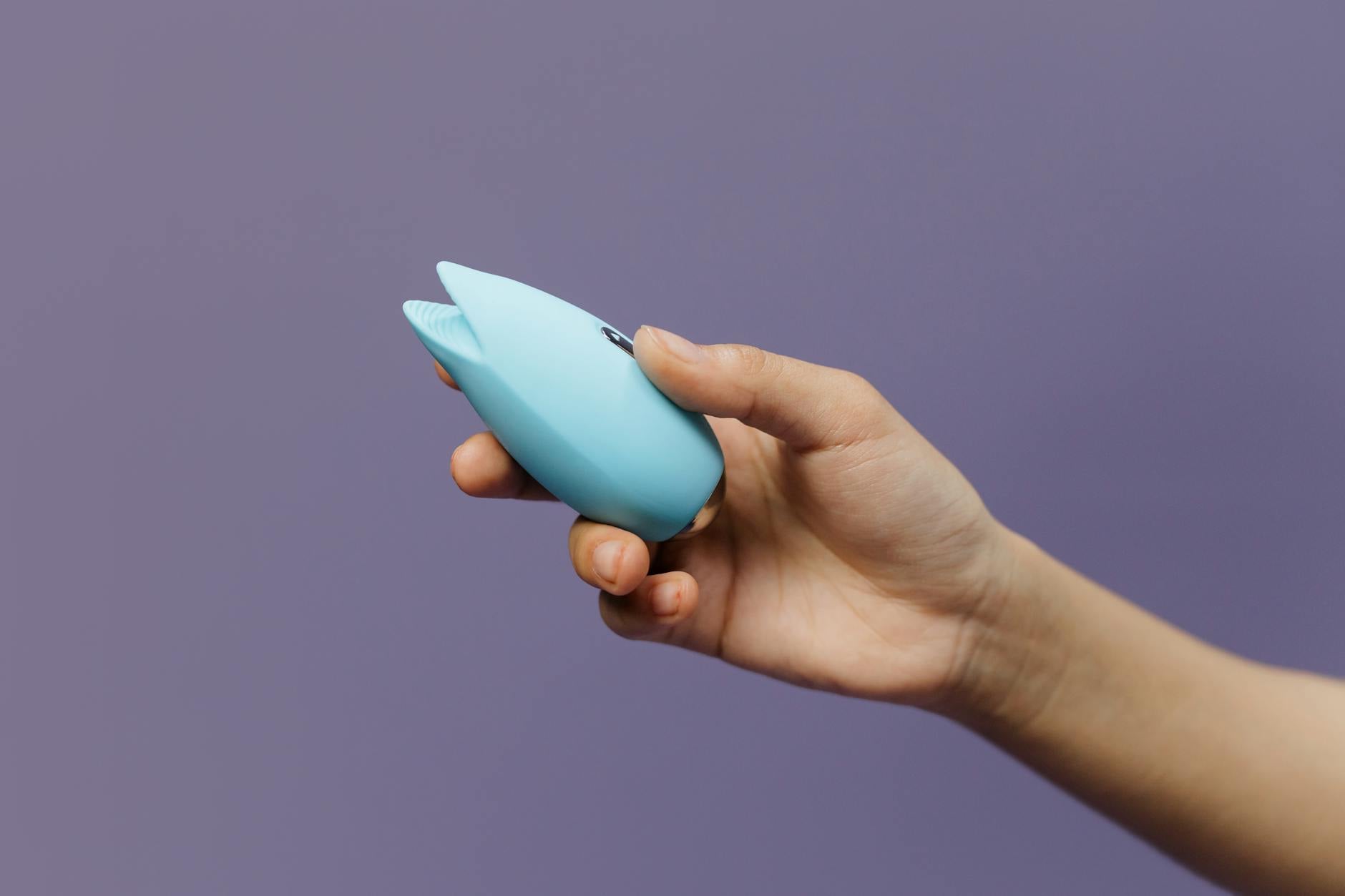
The thing nobody says out loud
Your new partner just saw your Lem Vibrator and got quiet. Maybe they made a joke. Maybe they asked if they weren't enough. Maybe they just left the room. Here's what's happening underneath: they're feeling replaced, or inferior, or like they're not satisfying you the way they thought they were.
This is one of the most common relationship friction points I see, and it's almost entirely preventable if you understand what's actually going on and how to talk about it.
Let me be direct. A clitoral vibrator isn't a commentary on your partner's performance. It's not a replacement. It's also not something you need to apologize for or hide. But the way you introduce it, and the conversation you have around it, determines whether this becomes a wedge or a bridge.
Why partners get nervous about toys (and it's not what you think)
Most new partners aren't worried about being physically replaced. They're worried about being psychologically replaced. What they're actually hearing when they see a lemon vibrator is: "I need something you can't give me, and I've already decided that thing is more important than us figuring this out together."
That's the threat. Not the toy. The unilateral decision.
Here's the physiological part that matters: penis-in-vagina sex doesn't typically stimulate the clitoris the way that external suction or vibration does. This isn't a flaw in your partner or your relationship. It's anatomy. About 75% of people with vulvas need external clitoral stimulation to reach orgasm. A lemon sucker like the Lem works through suction technology that mimics a specific pattern your body might respond to intensely. Your partner's fingers, tongue, or penis can't replicate that exact sensation.
But your partner doesn't know this. They think it means they're not enough.
The conversation that actually works
Timing matters here. Don't have this conversation in the moment when they've just discovered your toy. Wait until you're both calm and not in a sexual context. Sit down intentionally.
Here's the framework I recommend:
1. Start with reassurance, not defensiveness.
"I know you might have felt weird seeing that. I want to talk about it because I care about what you're thinking."
This signals that their feelings matter and that you're not dismissing their reaction. You're not saying "don't be jealous" or "you're being silly." You're acknowledging that the reaction happened and it's worth exploring.
2. Separate the toy from the relationship.
"This has nothing to do with how I feel about you or how you make me feel. I want to explain how my body works, because I think you might be thinking something that isn't true."
Then explain the clitoral anatomy piece. Tell them that your clitoris has around 8,000 nerve endings concentrated in a tiny area, and that some types of stimulation (like suction or a specific vibration pattern) can trigger a particular kind of response that's separate from partnered sex. This isn't better or worse. It's different. And having access to different sensations doesn't diminish partnership sex.
3. Reframe it as a tool, not a replacement.
"A vibrator is like a toothbrush. I use a toothbrush alone, and it doesn't mean I don't want to share meals with you. One is maintenance. The other is connection. This works the same way."
That metaphor actually lands. It's non-threatening and it's accurate.
4. Invite them in if they want.
"If you ever want to use this together, I'm open to that. Or if you want to learn what patterns feel good to me, that helps us understand each other better. Or if you'd rather not be involved, that's fine too. But I want you to know this is here and I'm not hiding it."
This is the shift from secrecy to transparency. It removes shame and it gives them agency.
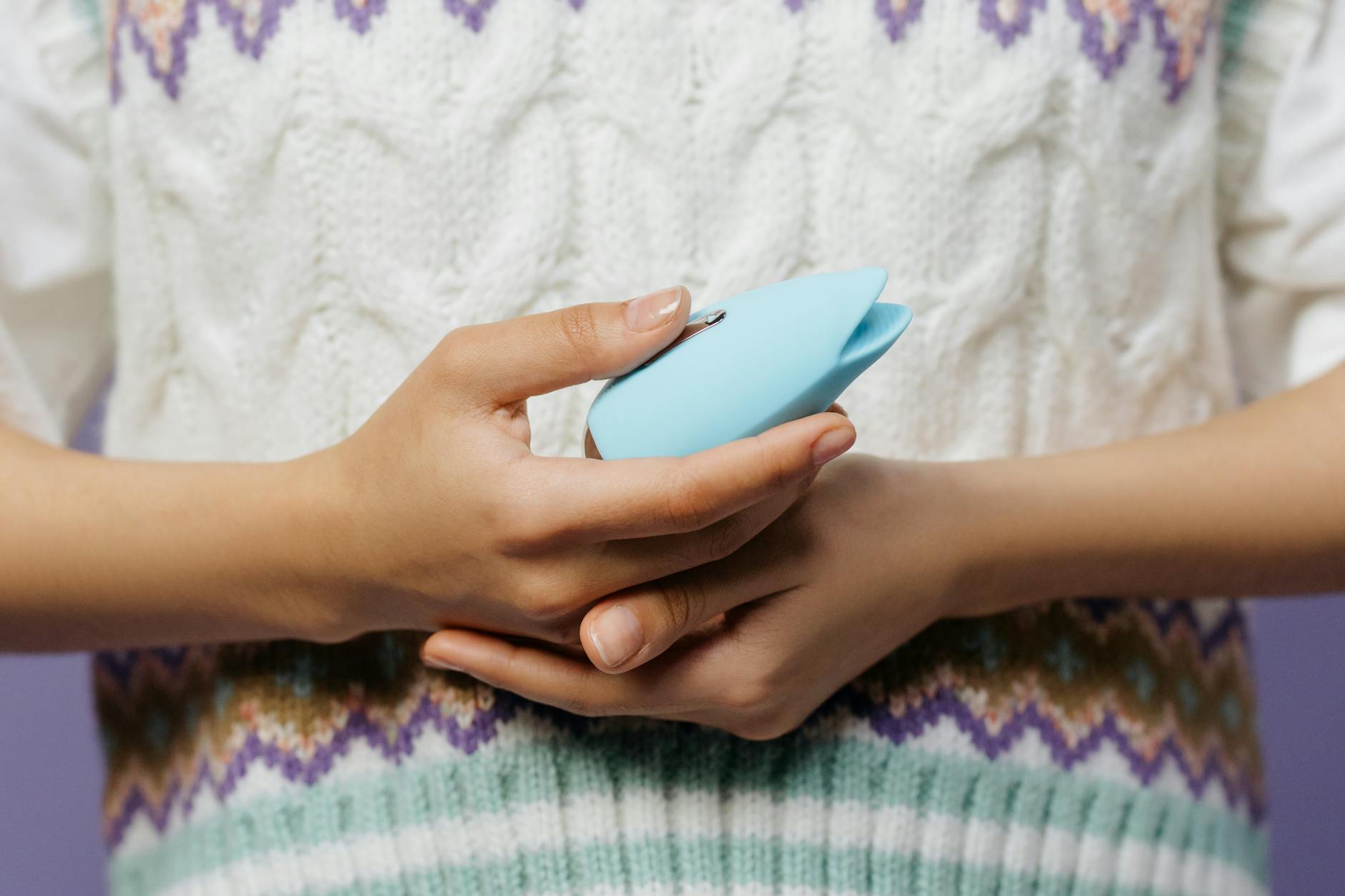
Photo by cottonbro studio on Pexels
What happens when they're still uncomfortable
Some partners need time. Some partners have their own stuff going on, and a toy becomes a symbol of something else entirely (control issues, past relationship trauma, their own insecurity about their body).
If your partner remains uncomfortable after a genuine conversation, there are a few things to know:
You don't need their permission to have pleasure.
I say this carefully because I also believe in partnership and negotiation. But your body and your pleasure are not a democracy. If you want to use a lemon clitoral vibrator, you get to. Full stop.
What you can do is be respectful about where and when. Maybe you use it when you're alone. Maybe you use it in a different room. Maybe you use it together but in a way that feels comfortable to both of you eventually. But the permission slip comes from you, not from them.
This might be a deeper relationship issue.
If your partner is so threatened by a toy that they're making it a control issue, or if they're using it as leverage in other ways, that's worth paying attention to. A secure partner might feel a moment of anxiety, but they work through it. A controlling partner uses it as another thing to monitor or restrict. Those are different problems, and the second one needs more than a conversation about toys.
How to actually introduce using it together
If your partner comes around and wants to explore this with you, here's how to make it feel good for both of you.
Start by showing them how you use it alone. This removes mystery and it shows them it's not complicated or weird. Use your lemon vibrator on yourself while they watch, or let them hold it and feel the suction pattern. Familiarity kills anxiety.
Then, invite them to be part of the experience without it replacing their role. They could hold the lemon vibrator for you. They could use it on you while you're together. They could watch. The point is that they're not being sidelined. They're participating in something that feels good to you, which is inherently intimate.
Many partners find that watching their person experience pleasure is actually incredibly sexy. The anxiety dissolves when they see that you're more present, more responsive, more connected to your own body. That's attractive. That builds intimacy instead of damaging it.
The deeper thing happening here
When you think about why this conversation is so loaded, it comes down to a cultural story we've all absorbed: that partnered sex should be enough, that needing anything else means something is wrong, and that your partner should be your complete source of pleasure.
That's not how bodies work. Your partner is one source of pleasure. Your own touch is another. A clitoral vibrator is another. Books, fantasies, movement, safety, feeling desired, feeling free. These are all sources. Having multiple sources doesn't mean the partnership one is less valuable.
If anything, a partner who's secure enough to understand this is a keeper. Because it means they understand that your pleasure isn't a referendum on them. It's just your body being a body.
Frequently asked questions
What if my partner says they feel replaced by my Lem Vibrator?
Remind them that a toy can't do what they do. It can't hold you, kiss you, have a conversation with you, or create emotional intimacy. What a suction toy does is stimulate your clitoris in a specific way. Those are different categories. You can genuinely want both your partner and a clitoral vibrator, because they're fulfilling different needs. It's like saying ice cream replaces dinner. They're different things.
How do I know if my partner's anxiety about toys is normal or if it's a red flag?
Normal anxiety sounds like: "I felt a little insecure when I saw that." Red flag anxiety sounds like: "You can't use that" or "If you loved me, you wouldn't need that." One is a feeling they're working through. The other is controlling behavior. If it's the second one, the issue isn't the toy. The issue is the dynamic.
Can I use a lemon vibrator if my partner explicitly doesn't want me to?
Yes. Your body is yours. That said, there's a difference between "I'm uncomfortable but I respect your autonomy" and "I forbid you." If it's the latter, you have a relationship problem that goes beyond sex toys. Consider whether this is someone you want to be with long term.
Should I hide my toys if my new partner isn't ready?
There's a difference between discretion and deception. You don't need to announce your clitoral vibrators on the first date. But if things progress, they should eventually know. Keeping them completely secret sends a message that you're ashamed, which reinforces the anxiety. Transparency is better than secrecy in the long run.
What if we've been together a while and I want to introduce toys now?
The conversation is the same. Pick a calm moment. Explain that you've been thinking about deepening your sexual connection and exploring new sensations together. Framing it as "let's explore this as a couple" rather than "I need this because you're not enough" makes a huge difference. If you've been stuck in a pleasure plateau, that's a legitimate reason to introduce something new.
Is it weird if my partner wants to use a clitoral vibrator on me but I'm the one who wants to use it solo?
No. Lots of people find that partnered use feels different from solo use. Both are valuable. If your partner is interested and you want to keep it solo, that's fine. This is about finding what works for you both, not forcing a specific version of how it should go.
The bottom line
A new partner's nervousness about your lemon vibrator usually isn't about the toy. It's about what they think the toy represents: that they're not enough. It's about feeling left out of your pleasure instead of being part of it.
The fix isn't to get rid of your toy. It's to have a conversation that separates the object from the meaning, and that invites them into your pleasure rather than making them feel replaced by it. Sometimes that means using it alone. Sometimes that means using it together. Sometimes it means they need time to adjust. All of that is okay.
Your pleasure matters. Your partnership matters. Those things aren't in competition. But the conversation you have determines whether your partner sees it that way or not.
If you're navigating how to use a clitoral vibrator with communication challenges, or if you're figuring out how to approach this when partners' needs feel mismatched, those angles dig deeper into the relational piece. But start here. Start with the conversation. Everything else follows.
If you want to explore how new partners can feel intimidated specifically by clitoral suction toys, or if you want hands-on guidance on how to navigate this with someone you care about, get in touch. This is exactly what I help people work through.