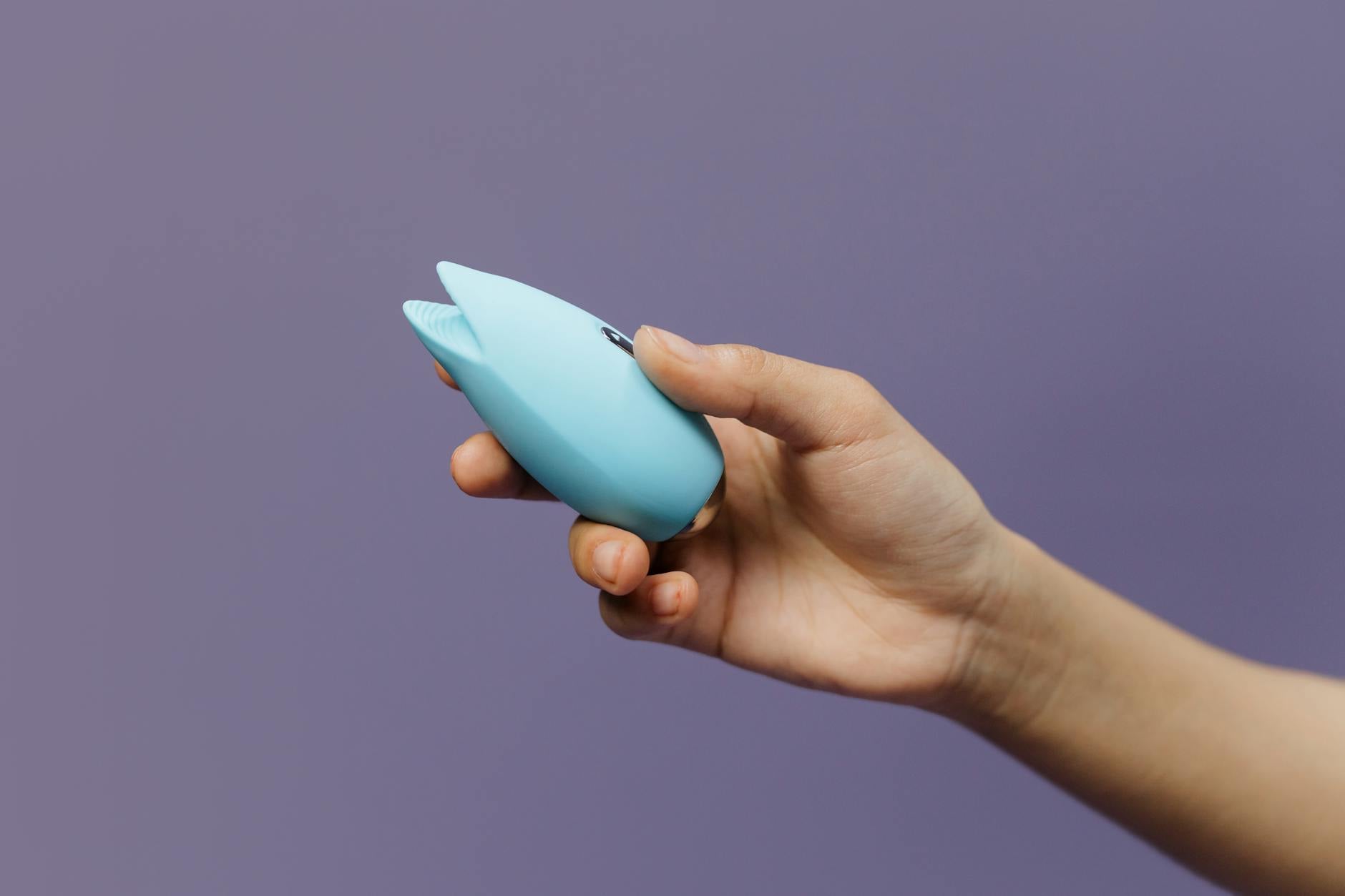
Let's start with the actual problem
Pelvic floor dysfunction is wildly common and almost never discussed in sexual health conversations. Your pelvic floor is the hammock of muscles supporting your bladder, uterus, and bowel. When those muscles are either too tight (hypertonic) or too weak (hypotonic), pleasure becomes complicated. Some people can't relax enough to feel anything. Others experience pain. Many feel nothing at all during arousal, even though their brain wants to.
Here's the thing: pelvic floor dysfunction doesn't disqualify you from using lemon vibrators or any clitoral vibrator. You just need to know how to work with your body instead of against it.
What pelvic floor dysfunction actually does to sensation
Your pelvic floor muscles don't directly create orgasm. What they do is contract rhythmically during arousal and orgasm. When those muscles are either locked tight or weakened, that feedback loop breaks. A weak pelvic floor means less muscular feedback during stimulation. A hypertonic (overactive) pelvic floor means constant tension that blocks arousal signals from reaching your brain.
Neither version means your clitoris stops working. It means the pathway between your clitoris and the rest of your pleasure response gets noisier.
This is important: the clitoris itself stays fully functional. The issue is the supporting cast. Using a lem vibrator or other clitoral vibrator with pelvic floor dysfunction is absolutely possible. You'll just need to adjust your approach.
Why lemon clitoral vibrators can work well for pelvic floor issues
Most lemon vibrators use suction or gentle pulsing patterns rather than aggressive vibration. This matters because aggressive, high-intensity vibration can trigger pelvic floor muscle guarding, especially if your muscles are already tight. The softer suction-based stimulation of a lemon clitoral vibrator doesn't activate that defensive response the way traditional vibrators sometimes do.
Additionally, starting with lower intensity patterns gives your nervous system time to notice arousal building without overwhelming it. This slow-build approach is often exactly what people with pelvic floor dysfunction need.
Starting safely with lemon vibrators
If you have pelvic floor dysfunction, begin with pattern 1 on your lem vibrator. Not pattern 2, not pattern 3. Pattern 1. Your baseline should feel subtle enough that you're not sure if anything is happening. That's the right feeling.
Spend 10 to 15 minutes at that intensity level. Your pelvic floor muscles will either start to relax or they'll stay tense. Watch what happens. Don't push through tension. If you feel your pelvic floor gripping, pause completely. Take three deep breaths. Let your muscles release. Resume when you feel the tension ease.
Duration matters more than intensity here. A 30-minute session at pattern 1 will feel more pleasurable than a 5-minute session at pattern 4. Your brain needs time to build arousal when your pelvic floor is struggling.
The role of breathing and relaxation
Your pelvic floor responds directly to your breath. Shallow breathing triggers tension. Deep breathing signals safety and relaxation. Before you use any clitoral vibrator, spend 2 minutes breathing slowly and deeply. Inhale for 4 counts, hold for 4, exhale for 4.
During stimulation with your lemon vibrator, keep breathing. This sounds absurdly simple and it is absurdly important. Many people hold their breath during arousal, which intensifies pelvic floor tension. Breathing keeps your muscles relaxed enough to feel sensation.
If you notice you're holding your breath while using a lem vibrator, pause. Breathe. Resume. Repeat as needed. This isn't failure. This is your nervous system learning that pleasure is safe.
Hypertonic versus hypotonic pelvic floor
These two conditions benefit from slightly different approaches. If your pelvic floor is hypertonic (too tight), your primary goal is relaxation. Use your lemon clitoral vibrator at very low intensity and pair it with intentional relaxation techniques. Kegel exercises would make things worse. Instead, practice reverse kegels: actively relaxing and lengthening your pelvic floor.
If your pelvic floor is hypotonic (too weak), gentle stimulation helps rebuild awareness and tone. Use your lemon vibrator regularly at pattern 1 or 2. The goal isn't orgasm every time. The goal is sensation and muscle activation. Many people with weak pelvic floors report that regular vibrator use, combined with pelvic floor physical therapy exercises, gradually rebuilds sensation and function.
The difference matters because the wrong approach for your specific dysfunction can make things worse. A pelvic floor physical therapist can assess which type you have.
Position and pressure adjustments
When using a lemon vibrator with pelvic floor dysfunction, experiment with positioning. Some people find that lying on their back with knees bent feels less triggering than lying flat. Others do better sitting upright. Try a few positions and notice which one allows your pelvic floor to stay relaxed while using your lem vibrator.
Pressure also matters. Don't press your vibrator hard into your clitoris. Let it sit gently. The whole point of suction-based clitoral vibrators is that they work effectively without force. With pelvic floor dysfunction, gentle contact is not a compromise. It's the entire strategy.
When to use lubrication and when to skip it
Lubrication reduces friction, which can reduce the intensity of stimulation. For many people with pelvic floor dysfunction, this is actually helpful. A water-based lubricant creates a smoother, less intense sensation that's less likely to trigger muscle guarding.
That said, lemon vibrators work fine without lube. If you want to use lubricant, water-based is your only option. Silicone lube will damage silicone toys. Oil-based lubes trap bacteria. Stick to water-based and you're fine.
Partner involvement and communication
If you're using a lemon clitoral vibrator with a partner, they need to understand what pelvic floor dysfunction actually is. This isn't about attraction or desire. It's a physiological issue. Your partner should know: if you pause, that's not rejection. If you need to stop, that's not a problem with them. If you use your lemon vibrator alone first, that's not excluding them. That's you learning your body.
Many couples benefit from using a clitoral vibrator together as part of longer foreplay rather than as the main event. This takes pressure off your pelvic floor to perform and shifts the focus to connection.
Red flags that mean stopping
Stop using your lemon vibrator immediately if you experience sharp pain, increased cramping, or pelvic pressure that doesn't resolve within an hour of stopping. These aren't signs you're doing it wrong. They're signs you need professional assessment.
Similarly, if you've been using your vibrator regularly and sensation is getting worse instead of better after 6 to 8 weeks, that's a signal to see a pelvic floor physical therapist. Sometimes pelvic floor dysfunction requires hands-on treatment before vibrator use becomes comfortable.
When to see a pelvic floor physical therapist
Pelvic floor physical therapy is not optional if you have significant dysfunction. A qualified therapist can assess whether your muscles are tight, weak, or both. They can teach you specific relaxation or strengthening techniques that actually work for your body. They can also clear you to use vibrators or recommend timing and intensity that's safe for you.
A pelvic floor PT isn't the same as a regular physical therapist. You need someone who specializes specifically in pelvic health. Your GP can refer you, or you can search the International Continence Society directory.
Rebuilding pleasure after pelvic floor dysfunction
Using a lemon vibrator with pelvic floor dysfunction is often slower and less dramatic than you might want. That's not a failure. That's how healing works. Over time, with consistent, gentle stimulation and parallel pelvic floor work, sensation returns. Pleasure returns. Orgasm returns.
Many people report that once they work through pelvic floor dysfunction, their pleasure is actually more intense than before because they've learned to be present with their body in a completely different way.
Your pelvic floor dysfunction doesn't define your capacity for pleasure. It just means you need a more intentional approach. A hello nancy clitoral vibrator like the lem is a tool for that approach. Use it slowly, breathe through it, and trust that your body is capable of recovering sensation and joy.
People also ask
Can you use a lem vibrator if you have vaginismus?
Vaginismus is severe pelvic floor tension. If you have it, using any vibrator without professional guidance can cause pain and increase tension. Work with a pelvic floor physical therapist first. Once they've assessed your situation and given you exercises to practice, gentle stimulation with a clitoral vibrator might become part of your recovery plan. Vaginismus is treatable, but it requires professional support.
Does pelvic floor dysfunction mean you can't have orgasms?
No. Pelvic floor dysfunction makes orgasms harder and sometimes changes how they feel, but it doesn't make them impossible. With time, the right stimulation approach, and sometimes pelvic floor physical therapy, most people recover full orgasmic function.
How long does it take for sensation to return when using vibrators with pelvic floor dysfunction?
There's no universal timeline. Some people notice improvement within 3 to 4 weeks of consistent gentle use. Others take 2 to 3 months. Healing speed depends on the severity of your dysfunction, whether you're doing parallel pelvic floor exercises, and whether you're managing stress well. Consistency matters more than speed.
Is it safe to use a lemon clitoral vibrator every day with pelvic floor dysfunction?
Daily use is fine as long as it's at low intensity and doesn't cause pain or increased tension. In fact, regular gentle stimulation often helps rebuild pelvic floor awareness and function faster than sporadic use. Stop if you notice pain or worsening symptoms.
Can pelvic floor dysfunction be caused by using vibrators too much?
No. Using vibrators doesn't cause pelvic floor dysfunction. Pelvic floor dysfunction comes from pregnancy, childbirth, chronic stress, prolonged sitting, heavy lifting, or sometimes trauma. What can happen is that someone with existing pelvic floor dysfunction uses a vibrator at too high intensity, which triggers pain or increased tension. That's why starting low and slow is crucial.
What's the difference between using a lemon vibrator and doing pelvic floor exercises?
They work differently. Pelvic floor exercises (kegels or reverse kegels) actively engage your muscles. Vibrator use provides external stimulation that helps rebuild sensation and awareness. Many people benefit from doing both. Your pelvic floor physical therapist can tell you which exercises are right for your specific type of dysfunction.