The nervousness is normal on both sides
Let's be real. One of you wants to bring a toy into the bedroom. The other is worried it means something is wrong. They might feel replaced, inadequate, or like you're hinting that they're not enough. None of those feelings are actually about the toy. They're about what the toy seems to represent. Understanding that difference changes everything.
Here's what I see in my practice all the time: couples in good relationships avoid this conversation because they're afraid it will hurt their partner's feelings. So the toy stays in the back of a drawer, or it doesn't get bought at all, and the person who wanted it quietly resents both the situation and their partner. That resentment builds faster than most people realize.
Introducing a lemon vibrator or any clitoral vibrator with a partner who's never used toys before isn't about fixing something. It's about expanding what pleasure looks like together.
Why the conversation matters more than the toy
The toy is easy. The conversation is hard. Most couples skip the conversation and go straight to the toy, which is backwards.
Start by naming the actual desire. "I've been thinking about trying a vibrator" is different from "I want to try toys because sex with you isn't working anymore." One is an expansion. The other is a crisis. Make sure your partner knows which one this is.
Then explain why you want it specifically and what you hope will happen. I'm interested in exploring a different kind of sensation. I think it might help me orgasm more reliably during partnered sex. I'm curious about what's out there and I want us to explore it together. You want to add something to what you already have, not replace what you already have.
If your partner is hesitant, listen for the real concern underneath. "Toys are weird" usually means "I'm worried you'll prefer it to me." "That seems unnecessary" usually means "I feel like I should be enough." Those aren't toy problems. They're reassurance needs. Address them directly.
The introduction: timing and framing
Don't introduce a toy mid-argument or when either of you is feeling disconnected. Don't pull it out for the first time during sex when they're not expecting it. Don't frame it as a surprise.
Good timing: you're both relaxed, not immediately before or after sex, and the conversation can happen without interruption. A weekend morning. A quiet evening after dinner. Somewhere you can talk without either of you feeling rushed or ambushed.
Say something like: I've been wanting to talk about something that might feel a bit awkward at first, but I think it could be really good for us. I'm interested in trying a clitoral vibrator during sex. I've been looking into it and I think something like the Lem could add a new dimension to what we already do. I want to know if you'd be open to exploring that with me.
Then stop talking and listen. Your partner might say yes immediately. They might ask questions. They might need time. All of those responses are legitimate.
What the hesitant partner actually needs to hear
If your partner is uncomfortable, don't try to convince them in that moment. Instead, offer specific reassurances.
I still want you. This isn't about replacing anything we do. My body just responds to different types of stimulation and sometimes that helps me feel more pleasure. I want to share that with you, not hide it from you. Nothing changes about how I feel about you or what you do for me.
Then give them runway. You don't have to decide tonight. We can talk about it more. You can look at it if you want. I can show you how it works. There's no pressure and no timeline.
Pressuring a reluctant partner into toy use is the fastest way to make them resentful about toys and about you. Patience here actually builds trust.
The first time you use it together
Once your partner has agreed, don't jump straight into full partnered sex with the toy. That's too much stimulation, too much novelty, and too many variables at once.
Instead, try this approach: spend a session where you use the toy solo while your partner watches or is nearby but not involved. This does several things. It lets your partner see that toys aren't scary or weird. It normalizes the object in the bedroom. It gives them a chance to ask questions while you're not actively using it on yourself. And it removes the pressure to perform or worry about their pleasure while you're introducing a new sensation.
Lemon clitoral vibrators like the Lem work particularly well for this because they're quieter and more ergonomic than traditional vibrators, which means they feel less clinical and more integrated. After a session or two of solo exploration, your partner will feel less threatened and more curious.
Then, when you bring it into partnered sex for the first time, do it during foreplay rather than during penetration. That gives you both a chance to focus on sensation and connection without worrying about timing or positioning. Your partner can touch it while you use it. They can see your response. They can feel how your body changes.
Managing the emotions that show up
Your partner might feel left out or inadequate the first time they watch you orgasm from a vibrator if they've never seen that intensity before. That's real and it's worth naming.
After sex, tell them: I had such a strong response because my body responded to that specific type of stimulation. That doesn't diminish anything you do for me. It just means we found another thing that works. And we can keep exploring what else works.
Then, prioritize using the toy together or with your partner involved, not in ways that exclude them. If they get used to being part of the experience, they stop seeing it as a threat.
The Lem is a good entry point because
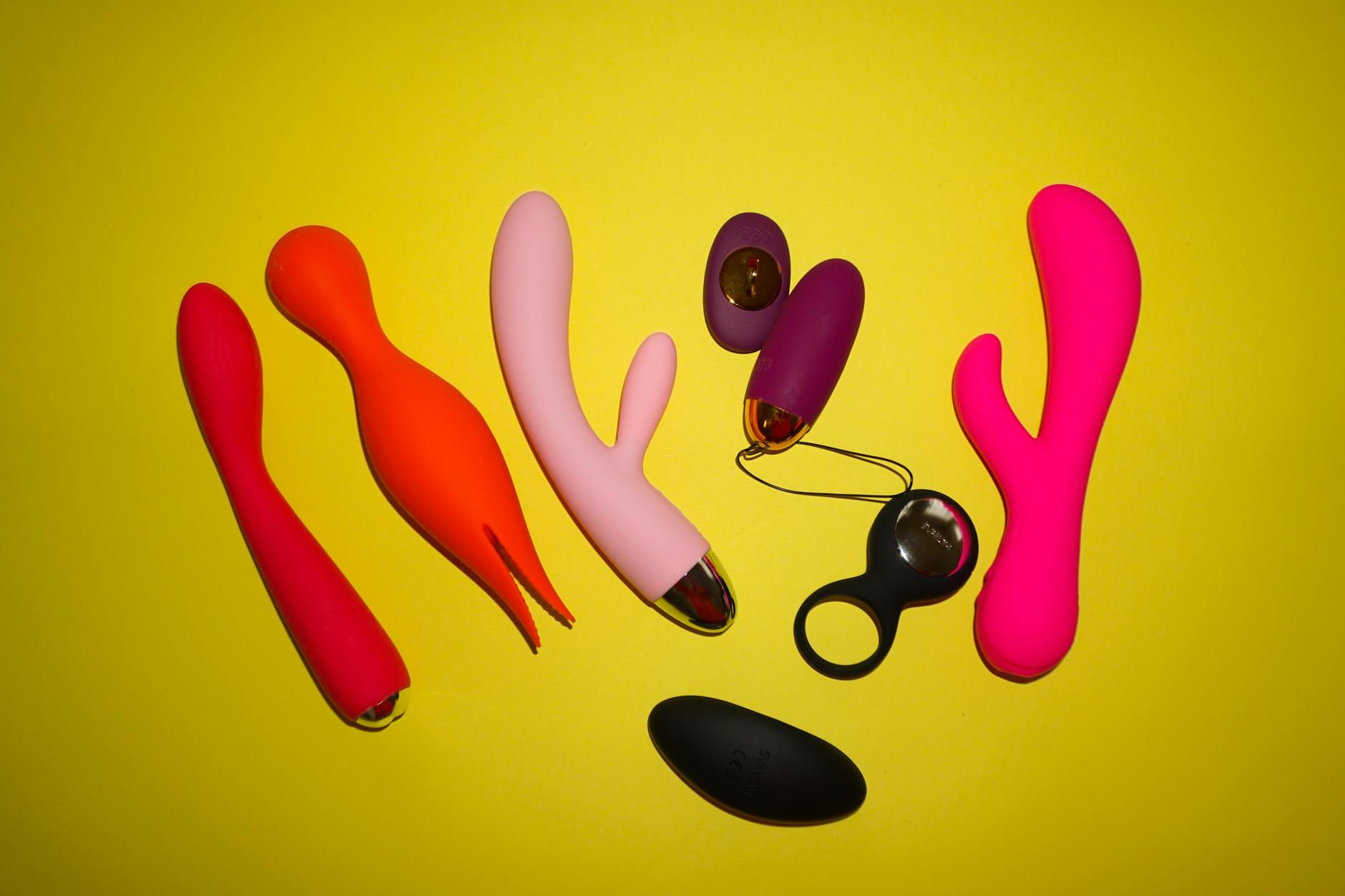
If your partner is choosing between a lemon clitoral vibrator and other options, the design matters. The Lem works well for first-time couples because it doesn't look clinical or intimidating. It's compact, ergonomic, and quiet enough that it doesn't feel performative. It's also reliable, which means less fumbling and more actual pleasure, which sets a positive tone for the whole experience.
The suction mechanism is different from traditional vibration, which can feel more intimate and less mechanical to someone who's never used a toy. Your partner might be less threatened by it because it requires more presence and contact than a standard vibrator.
What happens if it doesn't go well
Sometimes you introduce a toy and it lands badly. Your partner shuts down. They make a joke. They feel hurt even though you tried to handle it well. That happens.
Your job then is not to defend the toy or your choice. Your job is to repair the connection. Say something like: I can see this didn't land the way I hoped. I'm sorry. I never want you to feel insecure or left out. Let's talk about what felt off and what we actually need.
Then listen. Maybe they need more time. Maybe they want to try a different approach. Maybe they're processing something deeper about their own body or your relationship that has nothing to do with the vibrator. You won't know unless you ask and then actually hear the answer.
Sometimes a partner who's hesitant at first becomes the biggest advocate once they see how much pleasure it creates. Sometimes they stay hesitant and you navigate that as a couple. Both are workable. The relationship survives if you stay curious and connected through the discomfort.
FAQ: Introducing lemon vibrators to a toy-curious partner
What if my partner feels threatened by the toy?
Threats almost always come from a reassurance need. Your partner might be worried you'll prefer the toy to them, or they might interpret the toy as criticism of their sexual performance. Address those feelings directly: I want you. This is an addition, not a replacement. I'm not asking you to change anything about what you do. I'm adding something that works with what we already have. Reassurance delivered with patience is way more powerful than any explanation about vibration frequency.
How do I bring it up without making it weird?
Don't make it weird by treating it like it's weird. Use the same tone you'd use to say I want to try a new restaurant. Keep it light, matter of fact, and connected to what you want, not what they're missing. I've been curious about clitoral vibrators and I think it might be fun to explore together. That's it. No apologies. No over explaining.
Should I ask permission or just tell them?
Tell them. You're not asking for permission to have pleasure or to explore your own body. You're informing them of a choice you've made because they're your partner and they deserve to know what's happening in your shared intimate life. The phrasing matters though. I'm going to try a vibrator isn't defensive. It's just information. Then you make space for their response.
What if they want to use it on me immediately and I'm not ready?
Set a boundary kindly. I appreciate that you're interested. I'd like to explore it solo first so I can get used to how it feels. Once I'm comfortable with it, I'd love for you to be part of that. Most partners respect that because it shows you're being thoughtful, not impulsive.
Can we use lemon sexual toys if we're in a long-term relationship and have always done fine without them?
Of course. Long-term couples sometimes hit a plateau where the same patterns feel predictable. Adding a new sensation isn't about fixing what's broken. It's about freshening what's good. Some couples need that. Some don't. But the option is always there if you want it.
How long before they stop feeling self conscious about the toy?
Usually two to four uses. Once they see it in context and understand how it enhances rather than replaces, the self consciousness evaporates. After that, some partners become curious about how it feels or they want to be involved in more direct ways. Give it time and don't push.
The relationship comes first, the toy is second
Introducing a lemon clitoral vibrator with a partner who's never tried toys is ultimately not about the vibrator. It's about trusting each other enough to be honest about desire. It's about being curious instead of defensive. It's about staying connected while you're both learning something new.
The toy just gives you a reason to have the conversation. The conversation is what actually matters. Do that well and the toy becomes a simple addition to a deeper intimacy. Skip the conversation and bring the toy anyway, and it becomes a source of resentment that no amount of pleasure can fix.
Start with honesty. Follow with patience. Add the lemon sucker second. That order works.