Let's talk about the hardest part
Infidelity doesn't just break the relationship. It breaks the sexual relationship first. After betrayal, touching your partner can feel dangerous. Their touch might trigger flashbacks. You're in the same bed, but you've never felt further apart.
This is where most couples get stuck. They assume sex will naturally return once trust is rebuilt. But that's backwards. For many couples, rebuilding sexual intimacy is actually how trust rebuilds. It sounds counterintuitive, but it works.
Why sex is the thing you need to tackle first
Here's what happens after infidelity. The brain goes into threat mode. You're hypervigilant to danger signals. Your nervous system doesn't trust your partner's body anymore. Regular sex feels like a performance where you're both pretending nothing happened.
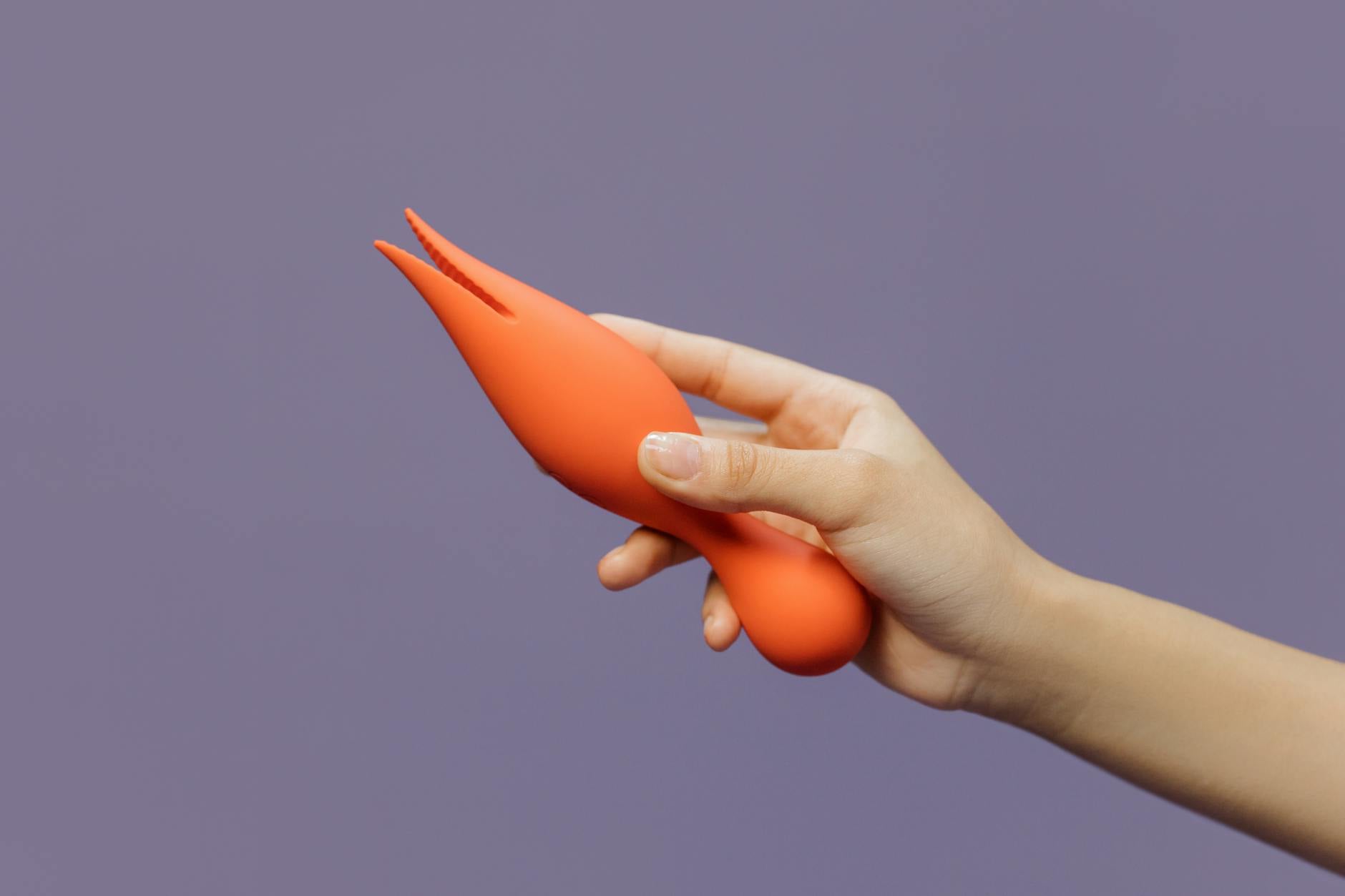
That's why introducing a tool like a lemon clitoral vibrator can actually help. It shifts the focus. Instead of sex being about reconnection (which feels impossibly loaded), it becomes about presence and communication. The vibrator becomes a shared object of focus, not a replacement for intimacy.
When you use a lemon vibrator together after infidelity, you're creating several things simultaneously. You're building new physical memories. You're learning what pleasure looks like when you're both actually present. And critically, you're creating micro-moments of trust that eventually accumulate into something real.
The three phases of reconnection
Phase one: separate pleasure.
Don't start with partnered sex. Start with parallel play. You use the lemon clitoral vibrator on yourself while your partner is nearby but not touching you. This serves a purpose. You're showing them that pleasure is still possible in your body. They're learning to witness your pleasure without needing to create it. This is foundational.
Set a timer for fifteen minutes. Use your vibrator the way you normally would. Your partner sits close enough to talk, far enough to give you space. They can ask questions. You can talk about what you're feeling. The vibrator gives you something to focus on besides the enormous weight of what happened.
Do this three or four times before moving forward. I know that sounds slow. It is. That's the point.
Phase two: guided presence.
Now your partner touches you while you use the lemon vibrator. But they don't move. They place a hand on your chest, your inner thigh, your hip. They stay still while you use the vibrator. They're present but not performing. You're still in control of your own pleasure.
This is where communication becomes a tool. Tell them where you want their hand. Tell them if it's too much or too little pressure. They follow your direction exactly. This rebuilds a specific kind of trust: the trust that they'll listen when you tell them what you need.
Some couples find this phase deeply moving. Others find it awkward at first. Both are fine. Awkwardness usually dissolves after two or three sessions.
Phase three: shared rhythm.
Once you're comfortable with guided presence, you can experiment with movement. Your partner might move inside you while you use the lemon vibrator on your clitoris. Or they might use the vibrator on you while you focus on receiving. The key difference from phase one is that now you're moving together.
This takes negotiation. Talk beforehand about what you both want to try. Set a signal for pause or stop. Use a water-based lubricant. Go slowly. And check in frequently. Infidelity teaches us that assumptions about consent are dangerous.
What you actually need to say (and when)
Most couples skip the talking part because it feels awkward. This is a mistake. The conversation is the reconnection.
Before you start, say something like this: "I want to rebuild how we touch each other. I'm scared and I trust you, and those are both true at the same time. I want to take this slowly and I want you to tell me if you need to pause too."
That's it. You don't need to rehash the infidelity. You're not giving a therapy speech. You're naming the facts: fear and commitment can coexist.
During the session, talk. Not constantly. But when something feels good, say it. When something feels wrong, say that too. The more specific you can be, the better. Instead of "that feels nice," try "I like it when you put your hand there and don't move." Instead of "stop," try "I need to pause for a second."
After, spend ten minutes just being close. No sex, no vibrator, no plan. Just bodies next to each other. This is where the trust lives.
The role of the lemon vibrator specifically
Why a lemon clitoral vibrator and not just partnered sex? A few reasons.
First, it's external. You're not asking your partner's body to do something it might not be able to do right now. You're using a tool that doesn't carry the same emotional weight as penetration or oral sex.
Second, it takes the pressure off performance. With a vibrator, pleasure isn't about how your partner is touching you. It's about the vibration and your own rhythm. That distinction matters when trust is fractured.
Third, lemon clitoral vibrators work particularly well for rebuilding sensation. If infidelity trauma has made your body feel numb, the lemon vibrator can help you reconnect to sensation without overwhelming your nervous system.
The timeline you should expect
I'm going to be honest. This takes longer than you probably think it should.
Phase one (separate pleasure) usually takes two to four weeks if you're seeing each other regularly. Phase two (guided presence) takes another three to six weeks. Phase three (shared rhythm) can take several months before it feels natural and not like work.
If you're trying to move through all three phases in three weeks, you're moving too fast. The goal isn't to get back to the sex you had before. The goal is to build sex that feels safe and present.
Some couples find that sex after infidelity is actually better than before. Not because the affair was good. But because you've had to be intentional about every single touch. You've learned to ask for what you need. You've learned to listen when your partner says no. Those are the ingredients for real intimacy.
When you need professional help
If either of you can't be present during these sessions, that's information. It doesn't mean the relationship is over. It means you need more support than a vibrator can provide.
A good couples therapist, ideally one trained in infidelity recovery, can help you navigate the shame and anger that make it hard to touch each other. They can also help you figure out whether you actually want to rebuild the relationship or whether you're just going through the motions.
Neither answer is wrong. But you need to know which one is true before you invest months in rebuilding sexual intimacy.
The part no one tells you
Rebuildling sex after infidelity is not about forgetting what happened. It's not about pretending. It's about consciously choosing to be vulnerable with someone who hurt you, and having them choose to honor that vulnerability.
That choice, made over and over, in small moments, with a lemon vibrator in hand and your own needs at the center, is what rebuilds trust. Not big gestures. Not apologies. Just presence. Again and again.
FAQ
How soon after infidelity can you start using vibrators together?
Wait until the acute crisis has passed. You need the initial anger and shock to settle first. Usually that's at least two to four weeks. If you're still in active conflict about the affair, you're not ready. Give yourself time to decide whether you actually want to stay in the relationship before you invite a vibrator into it.
What if using a vibrator together feels like it's triggering for my partner?
That's important data. Talk about what's being triggered. Is it about the vibrator itself, or is it about being close to you? Is it about the infidelity, or is it about their own shame? A therapist can help you untangle that. In the meantime, pause and come back to separate pleasure for longer. Some couples need months before they're ready for guided presence.
Can you use a lemon vibrator if you're not sure you're staying in the relationship?
Yes, but go slowly. Using a vibrator together doesn't commit you to anything. It's just one conversation, one session at a time. If you're still deciding whether to rebuild, this physical exploration can actually help you figure out whether the relationship is worth saving. Sometimes you realize it's not, and that's okay.
Does rebuilding sex after infidelity ever actually work?
Yes. But it requires both people to actually want to rebuild. If one person is checking the boxes to stay but has decided the relationship is over, no vibrator will fix that. You need honest commitment from both sides. That said, when both people show up, sexual reconnection is one of the most powerful ways to rebuild trust.
What if my partner won't try this?
That tells you something important. They might not be ready. They might not want to rebuild the sexual relationship. They might be ashamed or afraid. Have a conversation about why. "I want to try reconnecting physically, and I'm sensing resistance. Can we talk about what's stopping you?" Their answer will guide what comes next.
Should we see a couples therapist before we try this?
It helps, but it's not required. A therapist can give you tools and support that a blog post can't. But many couples start with physical reconnection and add therapy later if they get stuck. Whatever you choose, don't skip the conversations. The talking is the work.