Let's be honest about what happens after time apart
Whether it's been a military deployment, a long hospital stay, a separation you both chose, or a relationship rebuild after infidelity, going months or years without physical intimacy with a partner creates a specific kind of awkwardness. You still love this person. You want to reconnect. But your body has forgotten how. Your nervous system is unsure. And the pressure to perform, to make it "normal" again right away, kills most people's arousal before it even starts.
Here's what I see in my practice: couples often skip the intermediate step. They jump from "we haven't touched in a year" straight to "let's have sex." That's like asking someone who hasn't run in two years to sprint a 5K. The body needs scaffolding. Permission. A way to rebuild sensation without the stakes of full sex.
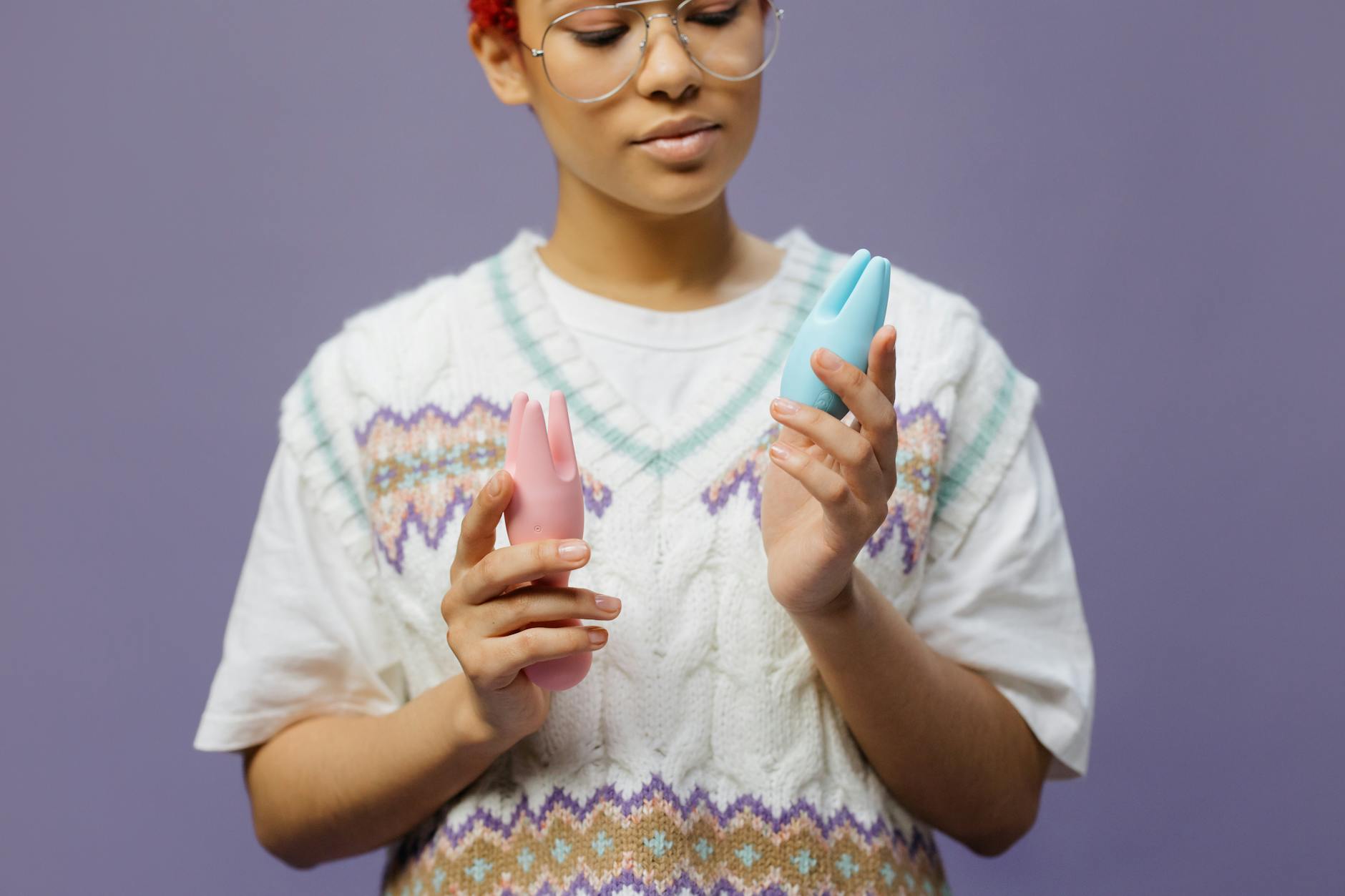
That's where a clitoral vibrator like the Lem comes in. It's not a shortcut. It's a bridge.
Why clitoral vibrators work specifically for this phase
After extended time apart, your nervous system needs a few things: low pressure, reliable sensation, and a sense of control. A lemon clitoral vibrator delivers all three.
Unlike partnered sex, which can trigger performance anxiety ("Am I desirable? Will this work? What if I'm numb?"), solo or mutual play with a toy gives you both permission to slow down. It's also more predictable. The Lem responds the same way every time. No surprises. No rejection. Just consistent stimulation.
The suction mechanism is particularly helpful here. Because lemon vibrators use air-pulse technology rather than traditional vibration, they feel different from what your body might remember. That difference is actually good. It bypasses old scripts and patterns. You're not comparing this sensation to "how it used to be." You're experiencing something new together, which paradoxically makes reconnection feel fresher, less loaded.
Plus, clitoral vibrators create arousal and orgasm independently of emotional states. If you're nervous about being with your partner again, the vibrator doesn't care. It will still work. That reliability builds confidence.
The nervous system piece nobody mentions
Your body keeps score. After months of no physical contact, your vagus nerve, your pelvic floor, your skin receptors—they all need gentle reintroduction to sensation. Jump straight to penetrative sex and you risk either pain, numbness, or emotional flooding.
A better sequence: spend 2-4 weeks using a lemon clitoral vibrator on your own. Notice what still feels good. Relearn your own geography. This sounds selfish, but it's the opposite. You're preparing yourself to be present with your partner, not shut down by surprise or discomfort.
When you do bring your partner in, using the vibrator together removes the pressure of "making it work." If penetration still feels tight or numb, you have an alternative that still produces pleasure. And often, watching your partner enjoy themselves with a toy relaxes your own nervous system more than any reassurance could.
How to introduce it to your partner (without awkwardness)
Don't make it a big conversation. Seriously. "I'd like to try using a toy together" can feel like an indictment ("what we've been doing isn't enough") when really it's just a tool.
Instead: "I found this thing that might help us both feel less pressured while we're reconnecting. Want to try it?" That's it.
If they're hesitant, ask what specifically worries them. Often it's one of three things: (1) they think you're bored with them, (2) they think it's replacing them, or (3) they're unfamiliar with toys and don't know what their role is. You can address each one. "I'm excited to feel close to you again, and this just makes that easier for both of us." "You're still the person I want to be with." "You get to watch, touch me elsewhere, or just be present. No pressure."
The practical steps for first use together
First time matters for the feeling of it, not the outcome. Don't expect an orgasm. Expect reconnection.
Start clothed. Hold each other for a while. Let your bodies remember proximity without the pressure of sex. Then, when you're both ready, move to a comfortable position. One of you can lie back. The other can either use the lemon vibrator on them, or they can use it on themselves while their partner is nearby, touching other parts of their body.
This is not about performance. It's about building safety back into your bodies. You're teaching your nervous system: "This person is still here. This still feels good. There's no rush."
Temperature matters more than you'd think. Cool lube feels nice. The Lem itself is smooth and feels different on skin than a traditional vibrator because of the suction cups. Let yourself be curious about that, together.
After, don't jump into sex. Cuddle. Talk. Notice what felt different or surprising. Often the emotional piece—being vulnerable with someone after distance—is more important than the physical one.
Why the timeline needs to be slow (and why that's okay)
I work with couples who haven't been physical in years. Some of them want to make up for lost time immediately. That usually backfires. Your body can't compress that recovery. It takes what it takes.
Using a lemon vibrator gives you a way to move at your own pace. Week one might be solo exploration. Week two, your partner is in the room. Week three, they're touching you while you use it. Week four, you try partnered sex again, and this time you're both calmer because you've already reconnected in a lower-pressure way.
This isn't slow because sex should take forever. It's slow because your nervous system needs time to remember that this person is safe. That your body is still yours. That pleasure is possible again.
When to call in professional support
If you're trying this and one of you is still shutdown or avoidant after a few weeks, that's data. Not failure. Data. It might mean there's emotional work that needs to happen before physical reconnection can. That's what I'm here for. A relationship coach or therapist can help you untangle whether the distance was necessary (deployment, health) or a sign of deeper fractures (infidelity, neglect).
Likewise, if penetration remains painful or numb after two months of reconnection play, see a pelvic floor physical therapist. Sometimes time apart causes real physical changes that need professional attention.
But most of the time, going slow with a tool like a lemon clitoral vibrator removes enough pressure that couples naturally find their way back to each other. The Lem doesn't fix relationships. It just makes the repair work feel less like a chore and more like play.
The thing about rebuilding intimacy nobody warns you about
It feels better the second time around. Not easier. Better. Because you've both chosen it consciously. You're not taking each other's bodies for granted. You're present. You're curious. You're literally discovering each other again.
The vibrator is just permission to slow down enough to notice that.
Frequently asked questions
Can we use a lemon clitoral vibrator if one of us has had intimacy issues in the past?
Absolutely. In fact, it's often helpful. Because the vibrator provides consistent, predictable sensation and you control the pace entirely, it can help someone who's had trauma feel safer exploring pleasure again. That said, go slowly and check in verbally during and after. If old patterns come up (freezing, dissociating, flooding), pause and talk. A relationship coach or trauma-informed therapist can help you navigate this.
How do we know when we're ready to have sex again after using the vibrator?
There's no fixed timeline. But usually, when both of you are relaxed during clitoral play, laughing a bit, and neither of you is performance-anxious, sex feels less like a test and more like a natural next step. Start with positions that feel less vulnerable (not face-to-face if that triggers you). Maybe use the vibrator during penetration so there's something familiar happening alongside the reunion.
What if only one of us wants to use the vibrator and the other feels left out?
That's a communication issue, not a vibrator issue. Check in. Maybe they want to use it too, but they're shy. Maybe they want to use a different toy. Maybe they want to focus on other forms of touch for now. The vibrator is a tool, not a stand-in for your partner. If one of you wants sex and the other only wants vibrator play, that's worth discussing outside the bedroom so expectations are clear before you start.
Do we need lubricant with a lemon suction vibrator?
Not always, but it helps. The Lem works fine on dry skin, but water-based lubricant makes it glide more smoothly and feel less intense. That can be helpful if you're reintroducing sensation after time apart. Just make sure any lube you use is body-safe and water-based so it doesn't damage the silicone.
Is it normal to feel numb or unresponsive the first few times after a long break?
Completely normal. Your pelvic floor might be tight. Your nervous system might be guarded. The clitoral tissue itself can take time to regain full sensitivity. If numbness continues beyond a month, check with your doctor. But in the first few weeks, expect sensation to feel muted. Keep going. It usually comes back.
What if we're rebuilding after infidelity and the guilt is making it hard to enjoy anything?
That's real. And using a vibrator won't fix it. What it can do is create a low-pressure space where you're both present and trying, which is sometimes the beginning of rebuilding trust. But you probably also need a relationship coach or therapist to process the betrayal and rebuild what broke. The vibrator is part of the picture, not the whole thing.