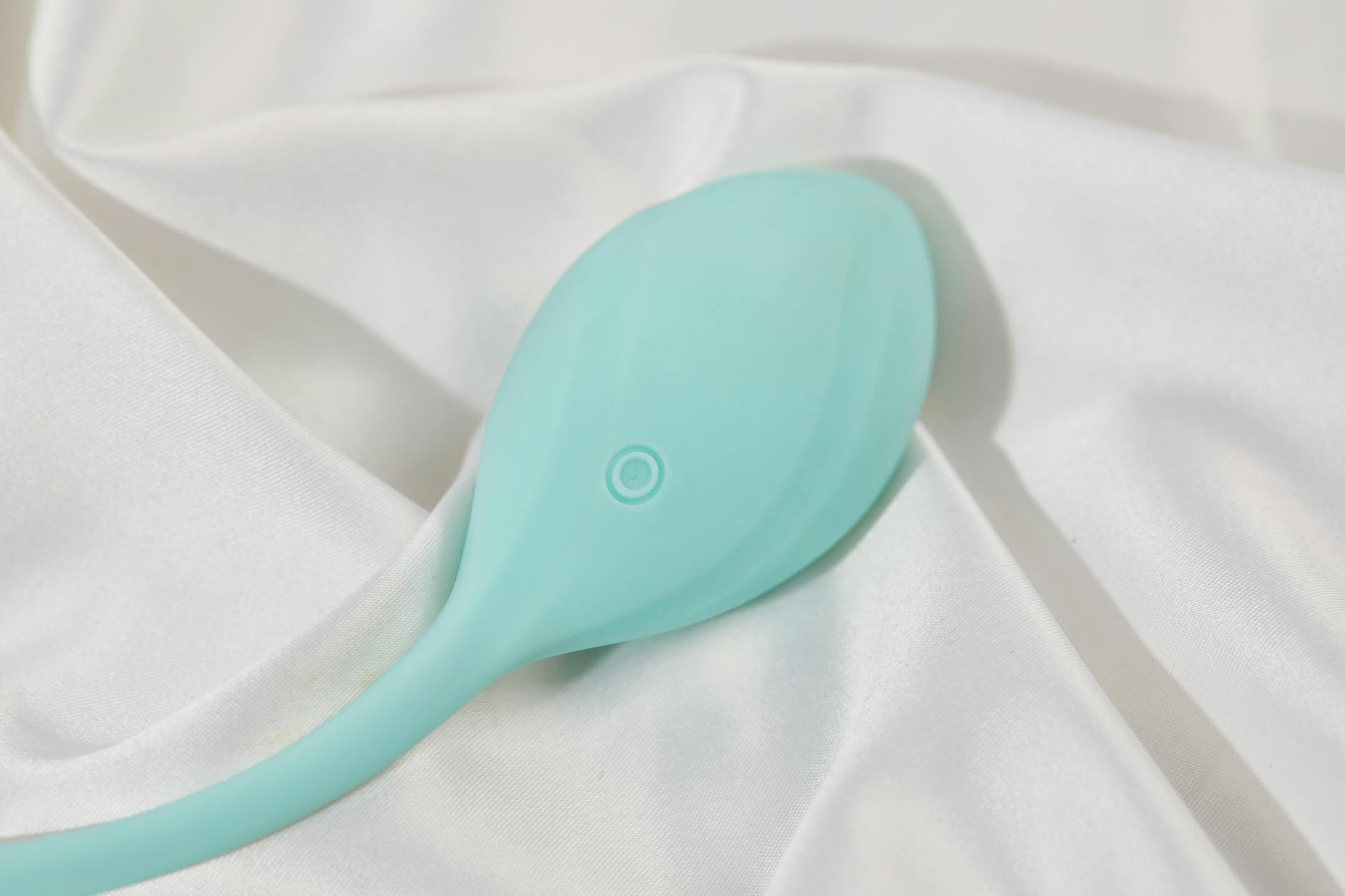
The honest truth about starting with vibrators
Nervousness about trying your first toy is completely normal. You're not broken if you're worried about sensitivity. You're not overthinking it. Plenty of people come to lemon vibrators with real concerns about whether their body will respond well, and those concerns deserve a straightforward answer: most of that worry dissolves once you know what you're actually doing.
The difference between a bad first experience and a transformative one often comes down to one thing. It's not the toy itself. It's the approach.
Why sensation feels overwhelming at first
Your clitoris has roughly 8,000 nerve endings packed into a tiny area. Vibration creates rapid stimulation across all of those nerves at once. If you've never experienced that before, it can feel intense, strange, or even uncomfortable. That's not a sign you should avoid vibrators. It's a signal that you need to build tolerance gradually.
Think of it like sunbathing. You wouldn't lie in the sun for two hours on your first day. You'd start with 15 minutes, build a base tan, then extend your time. Same logic applies here. Your body adapts to new sensations quickly once you give it a chance.
Lemon vibrators, including the popular lemon clitoral vibrator models, are particularly well-designed for this gradual introduction because many have multiple intensity levels. You can start at pattern 1 and stay there for weeks if you need to. No judgment, no pressure.
Start with external exploration, not direct contact
This is the move that changes everything for nervous beginners. You don't have to put the vibrator directly on your clitoris the first time. Not even close.
Try this instead: turn on the lowest setting of your lemon vibrator and run it over your inner thighs, your labia, your lower belly. Pay attention to where it feels good. Most people discover that indirect stimulation is actually more pleasurable than direct pressure anyway. It builds anticipation without overwhelming anything.
When you do eventually move to direct contact, you'll already know what the sensation feels like. Your nervous system has had time to register that vibration equals pleasure, not danger. The barrier between new and comfortable shrinks dramatically.
The three-week rule
Give yourself a realistic timeline. It typically takes about three weeks of casual exploration for your body to rewire its response to vibration. This doesn't mean three weeks of structured sessions. It means three weeks of occasional, low-pressure play with your lemon sexual toy.
During those three weeks, your clitoris becomes less sensitive to the initial shock of vibration. You start noticing subtler pleasure signals. Patterns that felt overwhelming on day one start feeling good on day fifteen. By week four, you'll have a completely different baseline.
Don't fight this timeline. Don't assume something is wrong with you if you're not having incredible orgasms in week one. Your body needs time to adjust, and that's exactly how it's supposed to work.
Build arousal before you introduce the toy
Most people who find vibrators too intense are introducing them into a context where they're not yet aroused. Vibration works best when your body is already interested. Blood flow has increased. Your tissues are responsive. You're mentally engaged.
Spend 10 to 20 minutes warming up first. Touch yourself with your hands. Think about something that turns you on. Look at something that appeals to you. Get yourself to a point where you genuinely want more stimulation. Then introduce the lemon vibrator at the lowest level.
The difference between introducing vibration into an already-aroused body and trying to use vibration as the arousal starter is the difference between "this feels amazing" and "this feels like too much." Same toy, totally different experience.
Pattern over intensity
Here's something that surprises a lot of beginners: intensity level isn't actually the main variable. Pattern is.
Most lemon vibrators offer multiple patterns, not just "stronger" and "weaker." A pulsing pattern at medium intensity often feels better to sensitive bodies than a steady vibration at low intensity. A tapping pattern might feel more comfortable than a rolling one. You're not limited to just turning the power dial up or down.
Experiment with different patterns at the same intensity level. You might discover that one specific pattern hits exactly right for your nervous system while others feel off. That's the pattern to come back to while you're building tolerance.
Lubrication matters more than you'd think
Dry tissue plus vibration equals uncomfortable. That's a physics problem, not a pleasure problem. Water-based lubricant makes an enormous difference, especially when you're new to toys and your tissues haven't adapted yet.
Use more than you think you need. Seriously. Lube makes the experience smoother, reduces friction sensitivity, and actually helps your body relax into the sensation. It sounds basic, but it's often the missing piece for nervous first-timers.
If you're using the lemon clitoral vibrator or any other silicone toy, stick to water-based lube only. Silicone-based lubes can degrade silicone toys over time. Water-based is safe, effective, and you can always add more.
Breathing changes everything
When you're nervous about sensation, you naturally hold your breath. Your pelvic floor tenses. Your whole body goes rigid. That tension makes sensation feel more intense and less pleasurable.
One simple shift: breathe. Slowly and deliberately. In through your nose, out through your mouth. Keep your pelvic floor relaxed. Let your body be soft. You'll notice immediately that the same vibration feels different when you're breathing versus when you're braced.
This isn't woo. It's neurobiology. Your nervous system reads relaxation as safety. When your body feels safe, it's capable of more nuanced pleasure. Breathing is how you signal safety to yourself.
Why stopping is just as important as starting
If you're exploring with lemon adult toys for the first time and something doesn't feel good, stop. You don't have to push through discomfort to prove something to yourself. There's no prize for toughness here.
Not every sensation works for every body. Some people feel irritation instead of pleasure. Some feel numbness. Some feel overwhelmed even at the lowest setting. All of those experiences are data. They tell you something about what your body needs.
If low settings feel too much, you might need to explore even more indirect contact. If patterns feel chaotic, try a pure steady vibration. If vibration in general doesn't feel right that day, you can try again tomorrow. Your body isn't broken. It's just communicating what it wants.
When to move to the next level
After three to four weeks of comfortable exploration at low intensity, your body will probably signal that it's ready for something more. This doesn't happen on a schedule. It happens when you naturally want to experiment.
You might notice that the lowest intensity starts feeling subtle instead of intense. Or you'll finish a session and think, "I want to explore a bit more power." That's your clitoris saying it's adapted and is curious. When that happens, move to the next setting.
You might stay at medium intensity for months. You might eventually use the strongest settings regularly. Or you might discover that you prefer staying with lower patterns because they're more pleasurable. All of those are perfectly normal. There's no "correct" intensity to graduate to.
The partner conversation, if you're not solo
If you're bringing a lemon vibrator into partnered sex, communicate with your partner about what you're learning. Tell them you're new to this and building comfort gradually. Let them know it's not about them. It's about your body becoming familiar with a new sensation.
Many partners worry that introducing a toy means something is wrong with the relationship or that they're not enough. Having an honest conversation about what you're doing and why removes that confusion. It also means they can support you instead of feeling left out.
Consider exploring solo first. Once you know what you like and how your body responds, introducing your partner to your practice can be much hotter and more confident.
FAQ: Starting with lemon vibrators as a nervous beginner
Will lemon vibrators make me lose sensitivity over time?
This is the biggest fear. The answer is: no, not with responsible use. Vibrator-induced numbness is real, but it happens when people use high intensity exclusively for extended periods. If you're starting low and building gradually, your sensitivity actually stays intact. Your nervous system adapts to recognize pleasure signals better, not worse. Think of it as tuning, not damaging. If you ever notice numbness developing, scale back intensity and take breaks.
How do I know if something is wrong versus if I just need more time?
There's a difference between "this feels weird and new" and "this feels painful." Weird and new is normal in the first few weeks. Actual pain, burning, or persistent irritation is a sign to stop and potentially talk to a doctor. Most new-to-vibrator experiences fall into the "this is strange but okay" category. Give yourself at least two weeks before deciding something isn't working.
Can I use a lemon clitoral vibrator if I'm taking medications that affect sensation?
Some medications, particularly certain antidepressants, can change how your body responds to stimulation. If you're on medication and worried about whether vibrators will work for you, it's worth asking your doctor directly. But also know that many people on these medications have wonderful experiences with toys. The medication might just mean you need slightly different settings or approaches. It's not automatic disqualification.
What if my partner wants me to use a toy but I'm nervous?
Your comfort matters more than their curiosity. A good partner will understand that you're exploring in your own timeline, not on theirs. If pressure is making you more nervous, that's worth addressing separately. You might enjoy exploring solo first, building confidence, and then sharing that experience. Or you might discover you prefer toys only for solo sessions. Both are valid choices.
Should I try the lemon vibrator every day when I'm new to it?
No. Three to five times a week is plenty. Your nervous system needs rest days to process what it's learning. Daily use when you're brand new can actually slow down the adaptation process because you're not giving your body recovery time. A rhythm of a few sessions, a break day, then a few more sessions works much better.
What if I orgasm immediately and it feels intense?
That sometimes happens when someone finally finds the right stimulation for their body. Intensity in orgasm doesn't mean something is wrong. It means your nervous system responded. That's success, even if it was unexpected. Next time, you might know to ease into it more slowly, or you might just enjoy the intensity. Both are fine. There's no "correct" way for an orgasm to feel.
Building your confidence
Starting with lemon vibrators when you're nervous is absolutely doable. Hundreds of people come to toys with real concerns about their sensitivity and bodies, and most of them discover that the problem wasn't the toy or their body. It was the approach. Take your time. Respect what your nervous system needs. Breathe. Use lube. Give yourself weeks, not days.
Your pleasure is worth the slow build. And your body is far more capable than your nervousness suggests. Once you know that from direct experience, everything changes.
If you have questions about your specific situation or want to talk through concerns about your body's response, reach out to Hello Nancy. We're here to help.