Here's the actual pattern I see
Your partner says no. Not a hard no, but a soft one. They're nervous about introducing toys, worried it means something about them isn't enough, or they just feel awkward about the whole thing. And now you're stuck between wanting something that would genuinely improve your pleasure and not wanting to push them into discomfort.
This particular jam is fixable. Not because you need to convince your partner to change their mind, but because their hesitation usually isn't actually about the toy. It's about what they think the toy means.
The fear beneath the hesitation
Most partner resistance to lemon vibrators or any clitoral vibrators breaks down into three core worries:
"Will this replace me?" They're imagining you preferring the toy to them, or feeling inadequate because you need external stimulation. This is rarely about insecurity, by the way. It's about a cultural narrative that says good sex means simultaneous orgasm without anything else, and if that's not happening, someone's failing.
"This means I'm not good enough." Connected to the above, but deeper. They think introducing a toy is an indictment of their sexual skills or attractiveness.
"This is weird or clinical." They're imagining a clinical, unsexy procedure instead of the actual experience. In their mind, a lemon clitoral vibrator or any adult toy turns intimacy into something technical and cold.
None of these are facts. But they're real feelings, and they matter.
The conversation that actually shifts things
Don't lead with the toy. Lead with desire.
Pick a quiet moment outside the bedroom. Say something like: "I've been thinking about what gets me off, and I want to talk about it with you." That opening moves the conversation from "I want to use this thing" to "I want you to understand my body better."
Then be specific. "When I get that specific kind of stimulation on my clitoris, my orgasms are deeper." Or "I want to explore what it feels like to have that sensation combined with being inside you." Make it about expansion, not replacement.
Then, only then, introduce the tool. "I've heard good things about lemon sexual toys like the Lem vibrator. I think it might help me feel that sensation." Notice you're not asking for permission. You're sharing information.
What you're doing here is reframing the toy from "evidence that you're not enough" to "a way to give your partner better pleasure." That's a completely different conversation.
Why the physical tool matters for buy-in
Abstract toy concepts feel threatening. A specific device with a specific design feels less like replacement and more like collaboration.
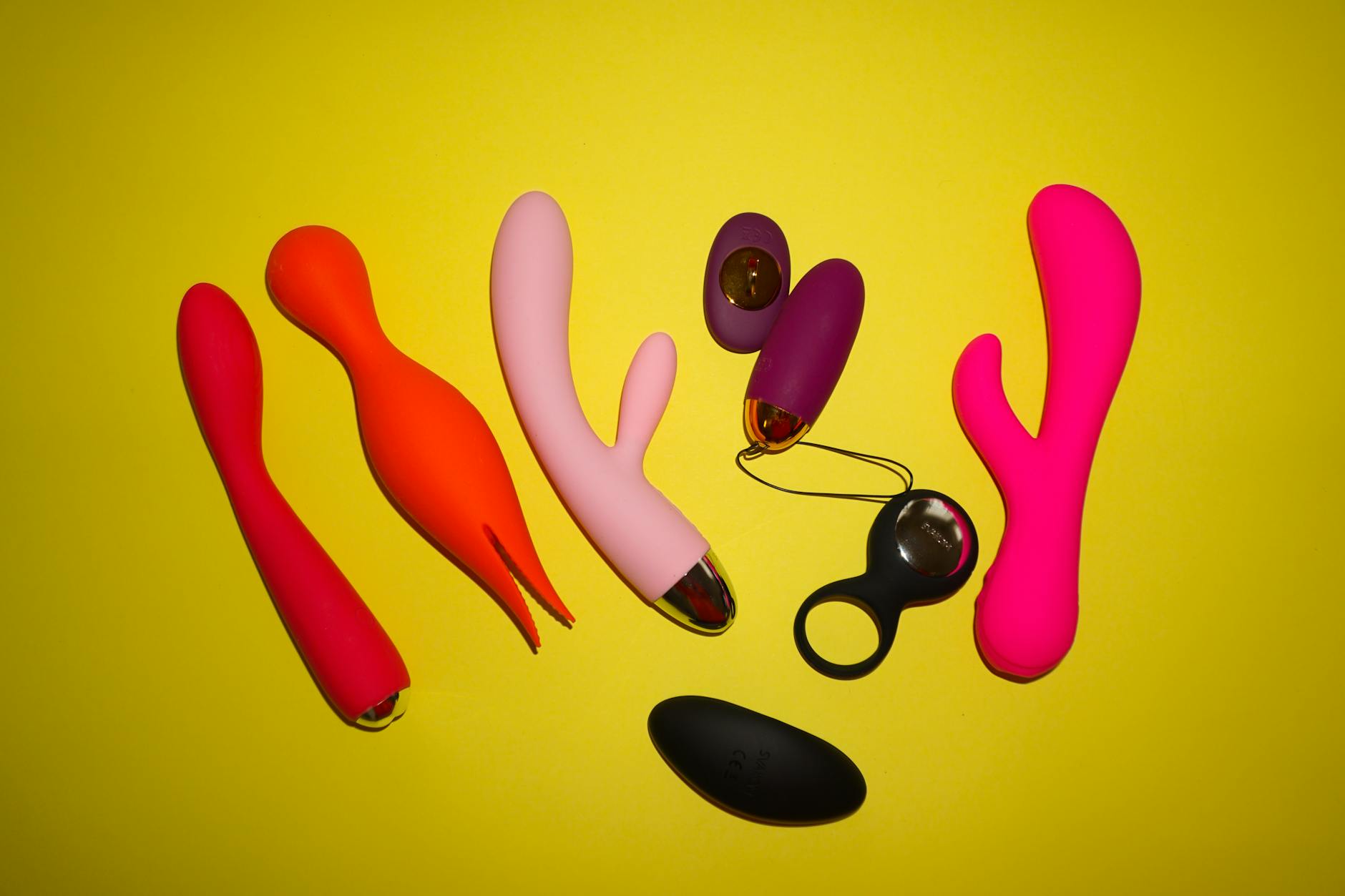
Lemon vibrators, in particular, are good for this conversation because they look intentional. A lemon clitoral vibrator like the Lem isn't a generic dildo that could be anything. It's clearly designed for one specific kind of pleasure, which somehow makes partners less threatened by it. It's not trying to be a penis. It's trying to be exactly what it is.
Show your partner the actual product. Let them hold it, turn it on, see how it works. Hesitation often evaporates when the thing is real and small and less mysterious than they imagined.
The invitation to participate
Here's the breakthrough move: ask your partner to help.
"I want to figure out how we use this together. Will you explore it with me?" Not "Will you let me use this while you watch?" That's passive. Instead, ask them to be part of the discovery.
Maybe they control the settings while you guide them. Maybe they use it on you while you show them the pressure and pattern you love. Maybe the first time you use it, they're inside you while you're using it externally. There are infinite ways to integrate a lemon vibrator into partnered sex that make it a shared experience, not a solitary one.
This is the part that shifts hesitation into genuine excitement. Because now your partner isn't worried they're being replaced. They're being invited into something that makes pleasure better for both of you.
The timing and context matter wildly
Don't introduce the toy when you're already struggling. If desire has faded over years or if sex has been infrequent, a new toy can feel like you're trying to fix the relationship with a Band-Aid. Instead, bring the conversation into a period when things feel relatively stable and connected.
Similarly, don't lead with it during an argument about sex or intimacy. That's poison. Pick a time when you both feel good, connected, and open.
Setting expectations about sensation
Many partners fear the toy will make things uncomfortable or painful. Walk them through what actually happens. "The Lem uses gentle suction, not vibration like you'd imagine. It feels good for me, and it won't change what we're doing together." Give them specifics.
Also be clear about logistics. How long will you use it? Will you use it every time? Sometimes? Only for your solo pleasure? These details matter because they reduce the vague threat and replace it with a concrete plan.
When they still say no
If after this conversation your partner is still reluctant, respect that. But also check in with what the actual barrier is. Is it timing? Money? Genuinely not feeling ready? Or is it something deeper about how they see themselves or sexuality that might benefit from talking to a couples therapist?
You don't have to sacrifice your pleasure indefinitely. But you also don't push past a genuine boundary. That said, a boundary is different from hesitation. Hesitation can shift. A real no is a no.
Honestly though, most partner hesitation softens dramatically once you've had the real conversation and they understand what's actually happening. The fear of the thing is usually worse than the thing itself.
The emotional shift
What's remarkable is that for many couples, introducing a lemon clitoral vibrator becomes a turning point. Not because the toy is magic, but because you've opened a conversation about what you actually want and need. That conversation is intimate in ways that transcend whether you're using a toy or not.
Your partner gets to see that you're thoughtful about pleasure, specific about what your body needs, and interested in inviting them into that discovery. That's attractive. That builds connection.
The toy is just the vehicle for something bigger. Which is why it works.
FAQ
Will introducing a vibrator actually improve our sex life?
It can, but only if it's genuinely what you want and you both feel comfortable with it. The toy itself is neutral. What matters is that you've opened communication about pleasure and that you're using it as a way to deepen connection, not avoid talking about deeper relationship issues. If your partner's hesitation is connected to feeling disconnected overall, address that first.
How do I know if my partner's hesitation is normal or a sign of a bigger problem?
Normal hesitation softens with honest conversation and time. Your partner might be nervous but willing to learn. That's fine. Bigger problems look like: they refuse to even discuss it, they use it as evidence you're unsatisfied, or they become defensive and accusatory when you bring it up. If that's happening, couples therapy is worth exploring.
Can I use a lemon vibrator solo if my partner won't use it with me?
Absolutely. Your pleasure doesn't depend on your partner's permission or participation. That said, if your partner is uncomfortable with you using toys in general, that's a conversation worth having. Are they uncomfortable with the act itself, or uncomfortable with the idea? Those require different responses.
What if my partner wants to introduce a toy and I'm the one feeling hesitant?
Your hesitation deserves the same respect. Don't agree to something that makes you genuinely uncomfortable. At the same time, ask yourself if it's a real boundary or if it's rooted in shame or fear you might want to examine. Talk to your partner specifically about what worries you, and go slow.
How much should a good clitoral vibrator cost?
Quality lemon sexual toys range from about sixty to ninety pounds. The Lem vibrator is competitively priced for the design and function you're getting. More expensive doesn't always mean better. What matters is that the toy is body-safe, quiet enough for your comfort level, and designed for the specific stimulation you want.
How do I bring this up if we've never talked about toys before?
Start by normalising the conversation itself. "I've been reading about how people explore pleasure, and I want to talk to you about something." Then own your desire without apology. "I think I'd really like to explore what a lemon clitoral vibrator could do for my orgasms." Keep it simple, specific, and focused on your body and your pleasure, not on anything missing with your partner.
The real point
Your partner's hesitation probably isn't about the toy. It's about being seen, being enough, and understanding how pleasure actually works in an adult relationship. Once you untangle that, the rest is pretty easy.