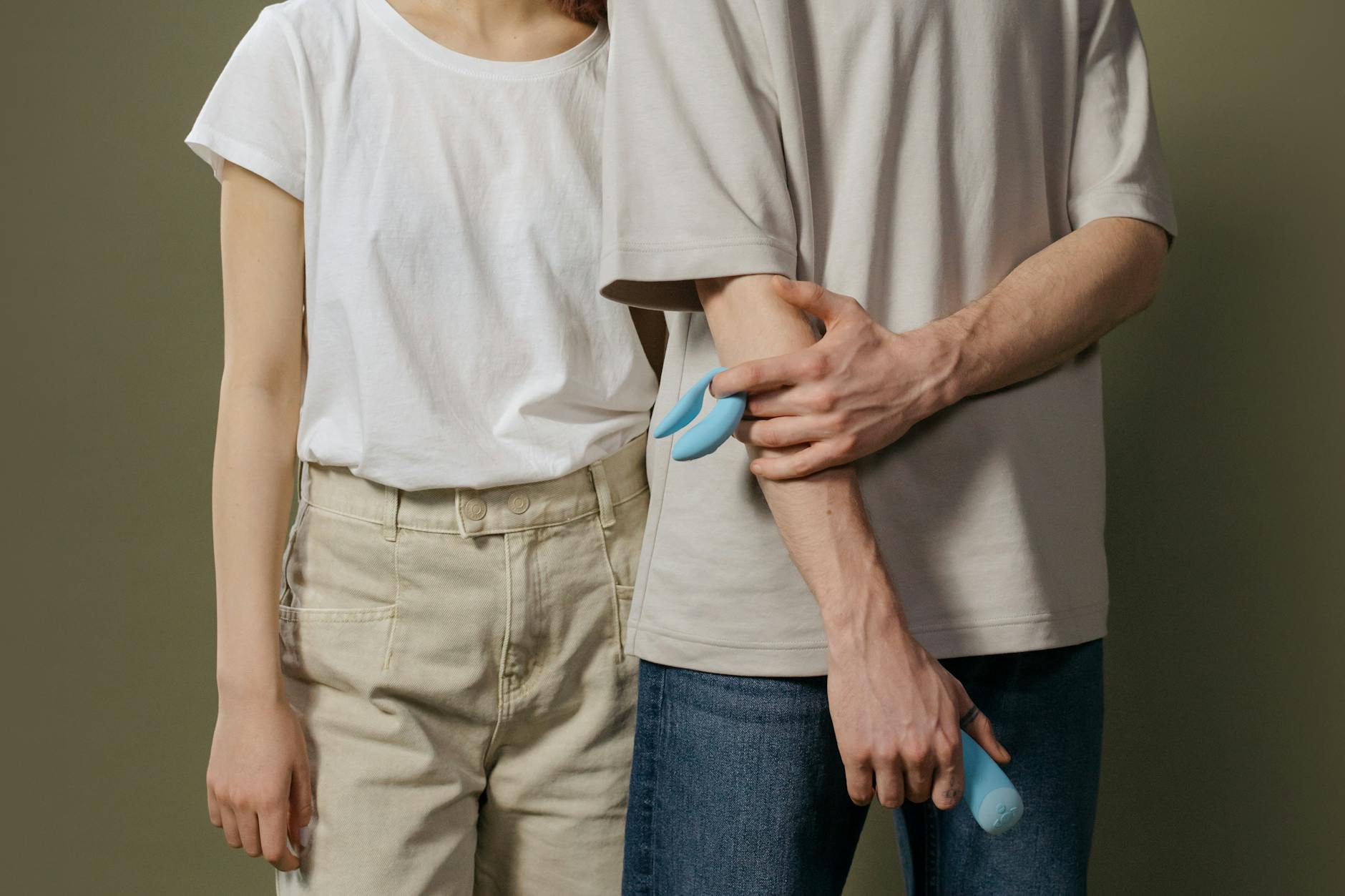
Getting a vulva health diagnosis doesn't mean pleasure is off the table
A new diagnosis lands, and your first instinct is often to pause everything. Vulvodynia, lichen sclerosus, recurrent infections, dermatological issues. The language alone feels clinical and frightening. But here's what I tell clients in my practice: a diagnosis is information, not a stop sign. It's a map telling you how to navigate, not proof that the territory is closed.
The question isn't whether you can use lemon vibrators anymore. It's how to use them differently now that you know your body better.
Why a new diagnosis changes the rules (and why that's actually manageable)
Your vulva is a complex ecosystem. When something shifts—inflammation, nerve sensitivity, tissue changes, or infection patterns—the way stimulation registers changes too. What felt amazing last month might feel uncomfortable now. Or what felt uncomfortable might suddenly feel fine. Your nervous system has sent out new information, and lemon clitoral vibrators will need to meet that new threshold.
The good news: lemon vibrators, especially models like the suction-style Lem, are genuinely one of the easier tools to dial down when you need to. They're not a fixed-pressure device. You control the pattern, the intensity, and the duration. That flexibility matters when your body is recalibrating.
The tricky part is that vulva health conditions often come with shame or avoidance around touch altogether. My clients frequently tell me they've stopped trying because they assume pleasure is medically off-limits now. It usually isn't. What's off-limits is pressure, friction patterns, or duration that aggravates the specific condition. Not pleasure itself.
First step: know what your diagnosis actually means for touch
Not all vulva conditions affect sexuality the same way. A recurring yeast infection is inflammation and irritation. Lichen sclerosus involves tissue thinning and scarring. Vulvodynia is chronic pain unrelated to infection. Vaginismus is pelvic floor tension. Each one has different contact rules.
Before you touch yourself or a lemon vibrator to your vulva, have a specific conversation with your doctor or gynaecologist. Not a vague "Is sex okay?" But exact questions:
"Can I have any form of clitoral stimulation, or is the area completely off-limits right now?" Some conditions require a full pause. Most don't. You need to know which camp you're in.
"If stimulation is okay, what kind of pressure is safe?" Light touch, moderate pressure, or firm? This determines whether you're on pattern 1 of the Lem or pattern 4.
"Are there specific textures or materials that will irritate it more?" Silicone is generally safer than latex or rubber, and the Lem's design minimizes friction entirely. But individual reactions vary.
"What's the timeline?" Some conditions improve in weeks with treatment. Some take months. Some are chronic but manageable. Knowing this shapes whether you're pausing for two weeks or learning to adapt long-term.
Write down the answers. Seriously. When arousal and nerves kick in later, you won't remember the specifics, and you'll talk yourself into something unsafe.
How to restart slowly with lemon vibrators
Once you have medical clearance, the restart isn't about diving back in. It's about proving to your nervous system that touch is safe again.
Start with your hand. Not a toy. Your hand, dry, no lubricant. Light touch on the outer vulva, the mons, the inner thighs. Spend 3-5 minutes just reacquainting yourself with sensation. Notice what feels good and what triggers tension or pain. Your body's been sending you warning signals. Listen to them without judgment.
Then add lubricant. Water-based, silicone-free if your condition involves inflammation. Glide your fingers slowly around the clitoral area without direct contact yet. You're building a map of what your body can handle now.
Only then introduce the Lem. Start with the lowest pattern. The Lem's suction design is gentler than direct vibration because it distributes pressure over a wider area rather than concentrating it. Place it on the lowest intensity setting and see how your body responds over 5-10 minutes. You can pause whenever. You can increase the pattern. You control everything.
This might sound slow. It is. That's the point. Your nervous system has been in protection mode. You're teaching it that external touch is trustworthy again.
Managing specific conditions with lemon clitoral vibrators
For vulvodynia: Unpredictable nerve pain means unpredictable tolerance. Some days feel fine, others don't. On good days, the Lem at low intensity can feel deeply pleasurable. On difficult days, skip external stimulation entirely and focus on internal pleasure if that's comfortable. Never push through pain. Pain is the data you need to listen to.
For recurrent infections: Infection means inflammation, which means sensitivity spikes. During active infection, most doctors recommend no penetrative sex and no external stimulation. Use the healing window as a reset period. Once you're cleared by treatment, you can return to the Lem. The key is post-infection hygiene: always pee after toy use, wash the Lem afterward, and avoid using it within 24 hours of certain medical treatments (ask your doctor about specific timing).
For lichen sclerosus: Tissue thinning is the core issue, which can make direct friction painful. Suction toys like the Lem become especially valuable because they provide stimulation without friction. The suction mechanism pulls gently rather than rubbing. This is often exactly what bodies with lichen sclerosus need. You may need significantly more lubricant than before, and you'll likely need to use lower patterns, but many people with lichen sclerosus find the Lem feels more comfortable than traditional vibrators.
For vaginismus or pelvic floor tension: If your condition involves involuntary muscle clenching, external clitoral stimulation is usually fine, but you may notice that arousal itself triggers tension. Use lemon vibrators as part of a broader pelvic floor relaxation practice, not a goal-oriented pleasure session. You're retraining your body to allow arousal without clenching. Breathwork matters more than intensity here.
The role of lubrication when your body has changed
Lubricant isn't just about comfort. It's protective. When tissue is compromised, inflamed, or thinned, lubrication creates a barrier between the toy and vulnerable skin.
Choose water-based. It's safest for silicone toys and for inflamed tissue. Silicone-based lubes feel richer but can damage the Lem's silicone exterior over time. Avoid products with added fragrance, glycerin, or numbing agents when you have active vulva health issues. Clean simple lubes are better.
Reapply it during use. If you're going longer than 10-15 minutes, your body's natural moisture and the applied lubricant will start to break down. A quick reapplication isn't awkward. It's smart.
And here's something nobody talks about: if using the Lem requires significantly more lubricant than before, that's data worth mentioning to your doctor. It might indicate your tissue is drier than it should be, which some conditions cause. Some conditions are treated with topical hormones or other interventions that improve lubrication naturally. You don't have to just accept less moisture as permanent.
When to pause pleasure entirely (and when not to)
Your doctor will tell you if you need a full break. Respect that. Active severe infection, post-procedure healing windows, acute flares of pain conditions. Those require pausing.
But a lot of people pause themselves out of fear when a break isn't medically necessary. If your doctor says external stimulation is fine but you're terrified you'll make things worse, that's anxiety, not medicine. Anxiety will rob you of pleasure for months. Talk to a therapist if this is happening. Seriously.
Partner involvement helps too. If your partner understands the diagnosis and the restart plan, they can offer reassurance during sex that external touch is safe. Many people find that shared understanding actually deepens connection. You're not hiding a medical thing. You're navigating it together.
The conversation with your partner (if you have one)
Don't keep your diagnosis private in the bedroom. Your partner will notice changes. Better they understand why.
You don't need to provide full medical details. "I have a vulva health thing that means we need to be gentler with external stimulation for a while" is enough. Then show them what that means practically. Slower foreplay. More lubrication. The Lem on lower patterns if you're using it together. Possibly a focus on internal stimulation if external isn't comfortable.
Most partners respond well when they understand the reason. And honestly, slowing down often improves pleasure for everyone. You're more present. You're more aware of what actually feels good instead of what you think should feel good.
If your partner responds poorly to accommodation, that's separate relationship data worth examining. But most don't.
FAQ: Navigating Lemon Vibrators With New Vulva Health Conditions
Can I use the Lem if I have an active vulva infection?
No, not on the vulva itself. During active infection, your doctor will likely recommend no external stimulation at all. The toy can harbor bacteria or fungi, and stimulation can spread infection or cause additional irritation. Once you've completed treatment and your doctor confirms the infection is gone, you can return to using the Lem. Wash it thoroughly first, and wait at least 48 hours after treatment if antifungals or antibiotics were involved.
Does the suction design of the Lem help or hurt sensitive vulva tissue?
For most people, it helps. Suction distributes pressure without friction, which is gentler than traditional vibration on compromised tissue. That said, some conditions involve nerve sensitivity where any stimulation, even gentle suction, triggers pain. Work with your doctor to understand whether the issue is tissue damage or nerve pain. If it's tissue damage, suction is often ideal. If it's nerve pain, even suction might need to wait.
What lubricant is safest if I have vulvodynia?
Water-based, fragrance-free, glycerin-free. Brands like Yes Water Lube or Yes Organic are specifically designed for sensitive vulvas. Avoid anything with numbing agents because they mask pain signals you need to hear. If a particular lubricant makes your pain worse, stop and try something else. Individual sensitivities are real.
How do I know if I'm healing enough to use clitoral vibrators again?
Ask your doctor explicitly: "Is external clitoral stimulation safe now?" If yes, start with your hand first and pay attention to how your vulva responds over the next day. If there's increased pain, swelling, or irritation 24 hours later, you're not ready yet. If there's no negative response, you can carefully try the Lem at the lowest setting. Again, watch for delayed reactions.
Can I use the Lem internally if external stimulation is uncomfortable?
Depends on the condition. Some vulva health issues affect the entire pelvic region. Others are primarily external. If your diagnosis is strictly external (lichen sclerosus, vulvodynia, external dermatitis), internal stimulation might be fine. If it involves tissue or infection concerns that extend internally, you'll need medical clearance first. Don't assume internal is safer just because external is limited.
Should I tell my doctor I'm using the Lem again after diagnosis?
Not required, but it can help. If you're using the Lem and noticing ongoing irritation, your doctor needs that information to adjust your treatment plan. Alternatively, if you're using it and everything feels great, you've got your answer: this tool works for your body's current state. You don't need permission for pleasure, but you do need honesty with your healthcare provider about what's going on.
Moving forward: pleasure with intention
A vulva health diagnosis feels like loss. It often involves pausing, adjusting, sometimes grieving. That's real and valid. But it's not the end of pleasure. It's a redirect.
Lemon clitoral vibrators, especially the design of the Lem, are built for bodies that need flexibility and control. You have it. Use it gently at first. Listen to your body's feedback. Trust your doctor's guidance. And give yourself permission to reclaim pleasure once you're medically clear. Your vulva has sent you valuable information. Now you get to use that information to rebuild something sustainable and actually more satisfying than before.
If you're struggling to navigate this adjustment, talking to someone trained in sex counseling or couples therapy can help. That's not weakness. That's resourcefulness. Your pleasure matters. Your health matters. Getting both right together is the goal.