When you're performing instead of feeling
Performance anxiety during sex is real, and it's invisible. Your partner might have no idea you're running a silent monologue the entire time. Are they enjoying this. Am I taking too long. Do I look right. Is this working. The mental commentary drowns out everything else, and then nothing works because your body can't respond when your brain is stuck in an audit.
The worst part isn't the anxiety itself. It's that performance pressure gradually trains your nervous system to expect sex to feel like work. Over time, you stop naturally lubricating, arousal takes longer, and pleasure flattens entirely. You've trained your body to be somewhere else.
That's where lemon clitoral vibrators change things.
Why suction toys bypass the performance trap
Here's the mechanism. Performance anxiety lives in the thinking brain. It's narrative, self-conscious, comparison-driven. Physical pleasure lives somewhere else entirely. Suction stimulation from a lemon vibrator activates nerve pathways so directly and so intensely that the thinking brain gets genuinely quiet.
It's not that you stop worrying. It's that the sensation becomes louder than the worry.
Traditional vibrators buzz against tissue. That's good, but it requires a certain baseline of arousal to feel properly, and it's easy to get distracted or self-conscious about what your body is doing. Suction toys work differently. The sensation is concentrated, rhythmic, and unmissable. Your nervous system recognizes it as novel stimulation and routes your attention there automatically.
When you use a lemon vibrator solo, away from the performance context, you're essentially rewiring what pleasure feels like in your body. You're reminding your nervous system that sensation without observation is possible. That matters.
The solo-play reset (why it has to come first)
If you jump straight into using a lemon vibrator with a partner while you're still carrying performance anxiety, you've just added a new layer of self-consciousness. Now you're worried about how you use the toy, not just about the sex itself.
Start alone. Give yourself permission to figure out what sensation actually feels good when nobody's watching and there's zero expectation of performance, outcome, or timing.
Spend two to three weeks with a lemon vibrator solo. This isn't about achieving orgasm. It's about rebuilding the connection between stimulation and sensation without the commentary track. Try different suction levels. Notice which patterns feel good. Spend time just feeling instead of evaluating.
A lot of people find that their sensation returns faster this way because they're not simultaneously managing anxiety and pleasure. Your nervous system can't process both well.
What lemon vibrators do better for anxious bodies
Four things make lemon clitoral vibrators especially useful when performance anxiety is in the picture.
1. Directness. The suction acts on the clitoris without much technical adjustment needed. You're not positioning something at the perfect angle while also wondering if you look okay. Less mechanics, more sensation.
2. Predictability. Once you find a suction level you like, it stays consistent. Your nervous system relaxes when it knows what to expect. That predictability is calming when your default state is worried.
3. Intensity control. Lemon vibrators typically have five to seven suction settings. You can start at level one and let arousal build naturally rather than forcing intensity before your body is ready. This mirrors healthy arousal progression and feels less clinical.
4. The focus shift. Because suction sensation is concentrated and novel, your attention naturally anchors there instead of spinning around self-doubt. Your brain gets genuinely distracted from the performance narrative.
How to use a lemon vibrator when anxiety shows up during solo play
Honestly, anxiety sometimes arrives even in private. Here's what helps.
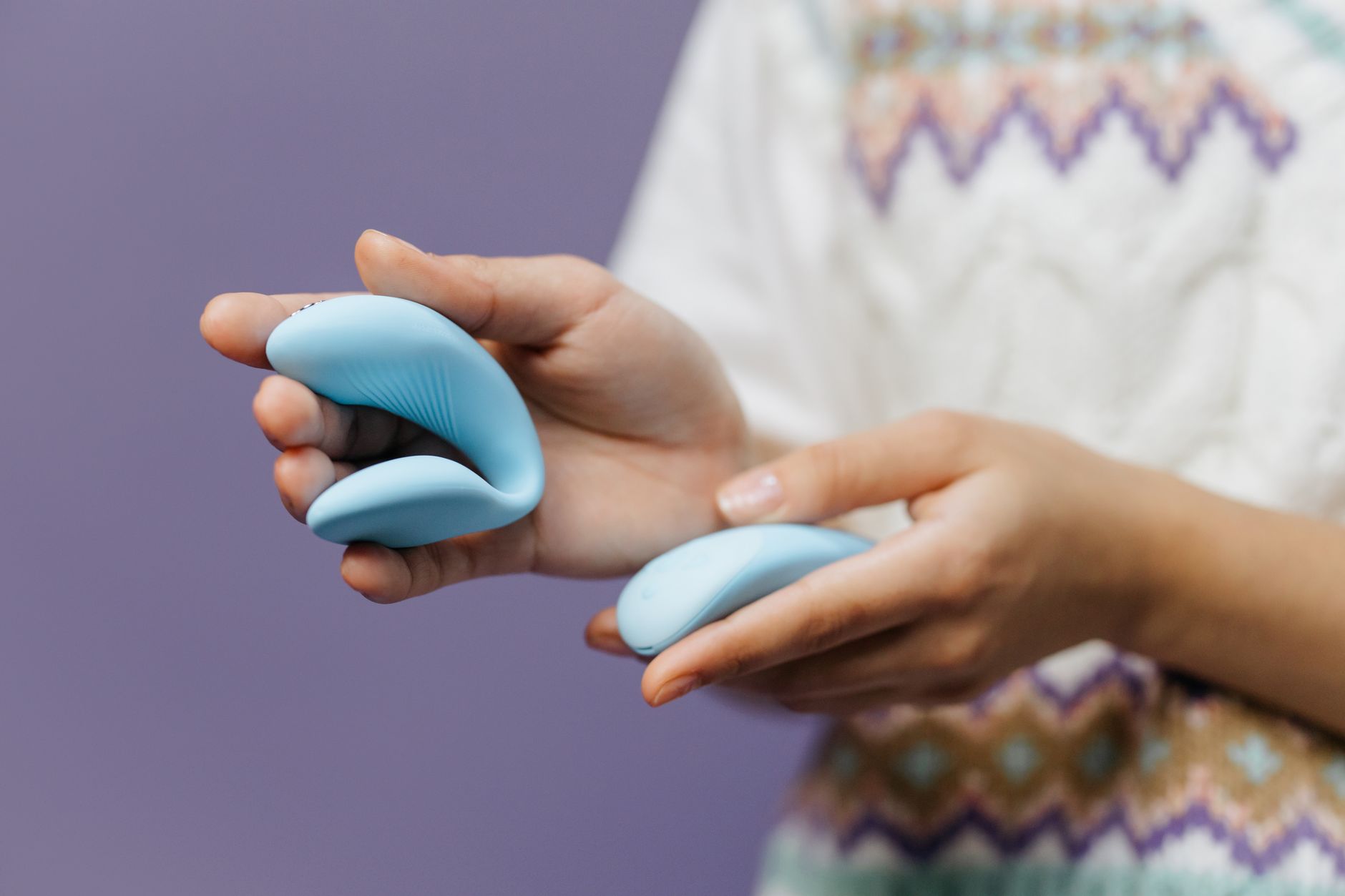
Start with the toy off. Just hold it. Get familiar with the weight, the material, the shape. This isn't foreplay. It's desensitization. You're teaching your nervous system that the vibrator isn't a demand or a test.
When you're ready, turn it on at the lowest setting. If anxiety spikes, turn it off and sit with that for a minute. There's no rush. Notice what the anxiety is actually about. Is it "am I doing this right." Is it "will this work." Is it pleasure guilt. Different anxieties need different responses, and you can't respond if you don't know what you're actually feeling.
Once you've named it, turn the vibrator back on. Use it at whatever level feels good. If pleasure comes, great. If it doesn't, that's fine too. The goal is to prove to your nervous system that sensation is available and that it doesn't require performance.
Most people need two to three weeks of regular solo use before they feel ready to involve a partner. Some need longer. Don't rush this.
Bringing the lemon vibrator into partnered sex (if and when you're ready)
You don't have to. Some people use them solo and leave it at that. But if you want to involve a partner, the timing matters.
Start a conversation when you're both calm and clothed. Something like, "I've been using a lemon vibrator on my own and I really like how it feels. I'd like to try it with you here, but I want to go slow and I need you to follow my lead on pace." This isn't a request. It's a boundary. Your partner either respects it or doesn't, and that tells you something important about whether this relationship can hold what you need.
When you do use it together, keep the focus narrow. You're not trying to have sex. You're trying to show your partner what direct clitoral pleasure feels like for you. Let them watch. Let them learn. Their job isn't to do anything. It's to be present without commentary.
A lot of performance anxiety softens when your partner gets to witness firsthand that you don't need them to make pleasure happen. You can generate it yourself. That's actually more relaxing for both of you.
What changes over time
After a few months of regular solo play with a lemon vibrator, most people notice that arousal starts coming faster in general. Your body remembers what turned on feels like. That baseline shift carries into partnered sex, even when you're not using the toy.
You also start to separate your worth from sexual performance. You did something many people never do: you figured out what genuinely feels good, without outside validation. That changes how you show up in other contexts too.
Some people find they need the lemon vibrator less frequently over time. Others integrate it permanently into their solo routine or their partnered sex life. Both are fine. The goal was never to become dependent on a toy. The goal was to break the cycle where anxiety teaches your body that sensation requires performance, which teaches your body not to feel.
When to get additional support
If you've been using a lemon vibrator regularly for two months and arousal still isn't returning, or if anxiety about sex is affecting other parts of your relationship, talking to a therapist who specializes in sexual health can help. Performance anxiety sometimes has roots in deeper relationship dynamics or trauma, and toys alone can't address that.
You deserve to feel pleasure without the running commentary. A lemon vibrator is an excellent tool for teaching your nervous system that's possible. But it works best when you also give yourself permission to stop performing and start feeling.
People also ask
How long does it take for performance anxiety to improve with a lemon vibrator?
Most people notice a shift in three to four weeks of consistent solo use. That said, anxiety doesn't disappear entirely. It becomes quieter. You notice you're less in your head during sex. Full anxiety resolution usually takes two to three months, and it often requires some support beyond the toy itself, like therapy or honest conversations with your partner about what you need.
Can I use a lemon vibrator if I'm in a relationship and my partner doesn't know about performance anxiety?
Yes, absolutely. Solo pleasure is completely separate from partnered pleasure. You don't need to tell your partner anything until you decide you want to involve them. Many people use lemon vibrators privately for months before mentioning it. The conversation gets easier once you've already rebuilt confidence.
What if I use a lemon vibrator and still don't feel anything?
That's common in the first week or two, especially if you're carrying a lot of tension. Numbness under performance pressure is real. Give yourself more time. Try using the vibrator at different times of day. Some people find it helps to use it right after a bath, when their body is already warm and relaxed. If nothing shifts after four weeks, a conversation with a doctor is worth having. Numbness can sometimes signal other things, like hormonal changes or medication effects.
Should I use a lemon vibrator before sex with a partner, or during?
Both approaches work. Some people use it beforehand to build arousal, then transition to partnered sex. Others use it during partnered sex to boost sensation. For performance anxiety specifically, beforehand solo use is usually more helpful because it helps you feel the pleasure independent of being watched.
What if my partner feels threatened by a lemon vibrator?
That's a conversation worth having, not a reason to hide the toy. If a partner feels threatened by your pleasure or your tools for accessing it, that's actually valuable information about whether this relationship can support what you need. A healthy partner wants you to feel good, even if the path to that feeling doesn't involve them.
Can lemon clitoral vibrators help with performance anxiety that's tied to past sexual trauma?
They can help, but they work best alongside professional support. Trauma changes how your nervous system processes physical sensation, and sometimes solo pleasure practice needs to happen with a trauma-informed therapist present. A lemon vibrator is an excellent tool, but it's not a substitute for therapy in this context.