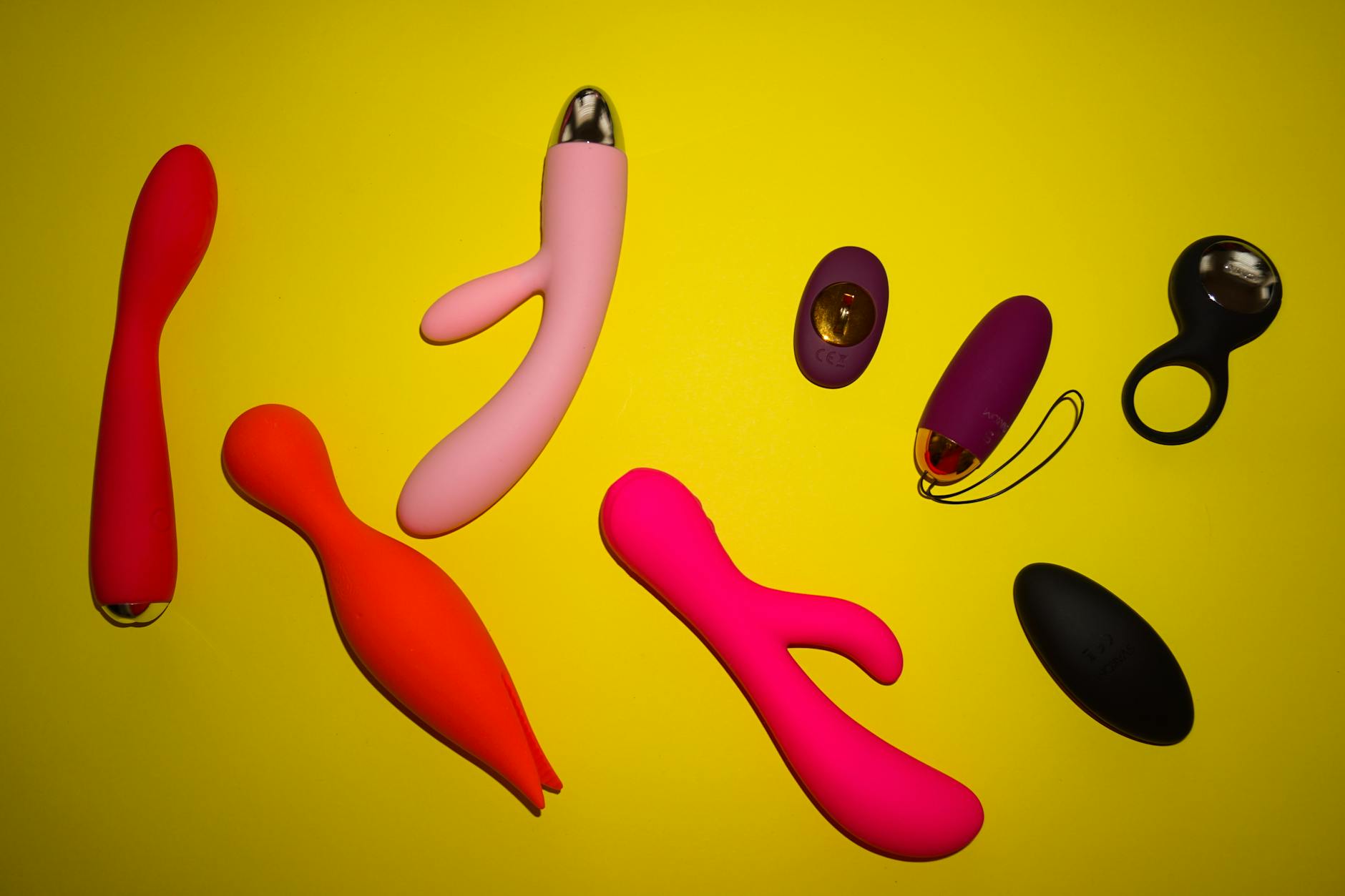
Let's talk about what comes after
Rebounding into pleasure after sexual trauma is not about jumping back into sensation. It's about reclaiming your right to choose what happens to your body. That distinction shapes everything else that follows.
When trauma has fractured your sense of safety in your own skin, introducing any new stimulation, even something as gentle as a lemon vibrator, requires a completely different framework than the typical "how to use" guide. This isn't about technique. It's about nervous-system safety, intentional pacing, and tools that put control back in your hands.
Why clitoral vibrators feel different after trauma
Clitoral suction toys like the Lemon vibrator work differently than other stimulation because they're non-invasive, you control the intensity entirely, and the stimulation is concentrated and predictable. That predictability matters hugely when your nervous system has been taught to expect the unexpected.
After trauma, many people find that surprise touches, unpredictable rhythm, or anything that feels invasive triggers a protective response. Your body isn't broken; it's doing its job. A tool like a lemon clitoral vibrator lets you set the exact pattern, speed, and pressure yourself. No surprises. No compromise. That agency alone can be restorative.
The suction mechanism also means you're not managing penetration or complex multi-sensory input simultaneously. You get to focus on one thing: the sensation you're choosing, when you're choosing it.
Building safety in your nervous system first
Before introducing any external stimulation, you need to establish what safety feels like in your body. This sounds abstract until you're actually doing it.
Start with self-touch that requires zero intensity. Run your hands over your skin slowly. Notice where touch feels grounding versus where it triggers tension or avoidance. There's no right answer here; you're just gathering information about your own body.
Many trauma survivors find that they've unconsciously split their body into zones: places that feel safe to touch and places that feel unsafe or numb. That's information, not a diagnosis.
Once you've spent a few weeks (yes, weeks) getting familiar with what voluntary, self-directed touch feels like, then you can introduce a tool. The Lemon vibrator's low starting intensities (patterns 1-3) are built for exactly this. You're not jumping into deep stimulation. You're introducing a very gentle, very predictable sensation that you control completely.
The first time you use a lemon vibrator after trauma
Set a specific time when you know you won't be interrupted. This isn't about orgasm; it's about data gathering.
Hold the Lemon vibrator in your hand. Don't use it yet. Let yourself get used to its weight, its material, its shape. Trauma can make your nervous system hypervigilant about new objects. Give your brain time to register: this is not a threat.
When you're ready, turn it on the lowest setting with no contact. Listen to the sound. Feel the vibration in your hand. Your nervous system is learning the baseline.
Make contact with the toy against the outer labia first. Not the clitoris directly. Stay there for 30 seconds to 2 minutes. You're not trying to build toward anything. You're just experiencing this sensation.
If at any point the experience feels uncomfortable, overwhelming, or triggering, stop. This is not failure. Your body is communicating. Listen to it.
The entire first session might last 5 minutes. That's fine. You've gathered crucial information: your body can experience intentional, chosen stimulation without threat. That's the win.
Pacing across weeks and months
Trauma recovery is not linear, and pleasure recovery is part of that non-linearity.
In weeks 1-2, continue with the lowest settings, shortest durations, outer labia contact only. You're establishing baseline safety. Some days you'll want to use the toy; other days you'll want to skip it. Both are fine.
Weeks 3-4, you might experiment with moving slightly closer to the clitoris if that feels safe. Again, lowest settings, short sessions. You're not chasing sensation; you're teaching your nervous system that chosen pleasure is possible.
If at any point during this timeline you experience flashbacks, dissociation, or physical shutdown, pause the toy work. That doesn't mean you failed. It means you've hit an edge that needs processing with a therapist or partner. Some trauma survivors need significantly more scaffolding. That's completely normal.
Many people find that pairing toy exploration with a therapist who specializes in trauma (especially somatic or body-based therapy) accelerates both healing and pleasure recovery. You don't have to do this alone.
Using a lemon vibrator with a partner (if applicable)
If you have a partner and you're considering introducing a clitoral vibrator together, communication needs to happen before the toy ever appears.
Tell your partner: "I'm using this tool to rebuild my sense of safety and agency in my body. This is about me relearning pleasure, not about performance or what's missing in our dynamic." Some partners will understand immediately. Others will need reassurance that this is about healing, not rejection.
When you do use the toy together, you stay in control of it always. Your partner's role is presence, not operation. They can be in the room, offering support and connection, but you decide when it's on, what speed, when it comes off.
Many people find that this kind of controlled, intentional pleasure work actually rebuilds intimacy with a partner because it removes the pressure and reintroduces the element of choice.
What to notice about sensation and dissociation
Trauma often comes packaged with dissociation. Your mind leaves your body to protect you. Even when you're healing, dissociation can creep back in as a reflex.
When you're using a lemon clitoral vibrator, check in with yourself: Am I present in my body right now, or am I floating above it? There's no judgment either way. You're just noticing.
If you're dissociating, the vibrator isn't helping. Stop and try something that grounds you in physical sensation: cold water on your wrists, pressing your feet into the floor, naming five things you can see. Once you feel present in your body again, you can try the toy again or choose to stop for the day.
Presence in pleasure is more important than intensity of sensation. A single second of genuinely felt sensation is worth more than minutes of going through the motions while dissociated.
When to seek additional support
If you're working with pleasure recovery after trauma and you hit a wall (persistent numbness, panic responses that don't improve after weeks, intrusive memories becoming more frequent), that's a sign to bring in a trauma-informed therapist.
A good trauma specialist won't judge your pleasure exploration. They'll help you understand what your body is communicating and build the capacity for safe sensation step by step.
Similarly, if you're in a relationship and your partner is struggling with your trauma recovery process, couples therapy (especially Gottman Method-trained therapists who specialize in trauma aftermath) can help you both navigate this together.
Pleasure after trauma isn't something you figure out alone. It's something you rebuild with support.
FAQ: Starting pleasure recovery with clitoral vibrators
How long does it take to feel comfortable using a vibrator after trauma?
There's no standard timeline. Some people feel ready after a few months of consistent therapy and nervous-system work. Others need a year or more. Your body will signal readiness. You'll notice less reactivity to touch, fewer flashbacks triggered by sensation, and a growing curiosity about pleasure (rather than dread). That's when you know you're moving in the right direction.
Can I use a lemon vibrator if I have numbness in my clitoris after trauma?
Yes, and clitoral numbness is actually quite common after trauma. The numbing is a protective response. Using a gentle clitoral vibrator (not in a high-intensity way, but consistently over weeks) can sometimes help sensation gradually return. The key is patience. You're not trying to force sensation back. You're creating the conditions for your nervous system to feel safe enough to re-engage. If numbness persists after months of consistent therapy and toy work, mention it to a pelvic health specialist.
What if the vibrator triggers flashbacks or panic?
Stop immediately. This doesn't mean vibrators are wrong for you. It means you've introduced sensation before your nervous system was ready. Back up a few steps. Spend more time with self-touch, grounding practices, and therapy work. Then try again later. Many trauma survivors eventually use vibrators successfully, but the timeline is individual.
Should I tell my partner about using a vibrator after trauma?
That depends on your relationship and your own comfort level. If you have a partner you trust, sharing can deepen intimacy and help them understand your healing process. If you're not sure about trust in that relationship, it's okay to keep this private. Your pleasure recovery is yours to direct.
Can I use a lemon clitoral vibrator while taking antidepressants or anti-anxiety medication?
Medication can absolutely affect sensation and arousal. That's normal. Clitoral vibrators can help by providing consistent, predictable stimulation that sometimes breaks through numbness caused by medications. Start on the lowest settings and give it time. If sensation doesn't improve after 4-6 weeks, talk to your prescriber. Sometimes adjusting the dose or timing of medication helps.
How do I know if I'm healing, or if I'm just dissociating through the experience?
Healing involves gradually expanding your window of tolerance for sensation without triggering. You feel more present, more choice, less reactivity. Dissociation feels numb, distant, like you're watching yourself from outside your body. Both can feel calm, so the distinction matters. If you're unsure, check in by pausing the tool mid-session and asking yourself: "Can I feel my feet on the floor right now? Can I name three sounds I hear?" If you can't ground yourself easily, you're likely dissociated. That's information. Pause, ground, try again later.
The bigger picture
Reclaiming pleasure after trauma is not about getting back to where you were before. It's about building something new. A Lemon vibrator isn't magic. It's a tool that gives you control, predictability, and the ability to explore sensation on your own terms.
Your healing matters. Your pleasure matters. And taking time to rebuild both carefully is not slow. It's wise.
If you're navigating this journey and you need support beyond pleasure work, reach out. A trauma-informed therapist, a somatic practitioner, or a relationship coach can help you build the foundation that makes pleasure possible again.
Sources and further reading
If you're seeking more information on trauma recovery and sexual wellness:
Bessel van der Kolk's The Body Keeps the Score offers foundational understanding of how trauma lives in the nervous system. Layla Martin's work on somatic sexuality bridges trauma recovery and pleasure. The International Society for the Study of Trauma and Dissociation (ISSTD) maintains a therapist finder for specialists in trauma work.