
Let's start here: numbness during sex is more common than you think
You touch yourself and it barely registers. A partner touches you and you feel almost nothing. Orgasm either doesn't happen or requires so much effort you're exhausted by the time it arrives. If sensation has gone completely flat, you're not broken, and you're definitely not alone.
Numbness is one of those problems that gets whispered about but rarely discussed in detail. People assume it's psychological (it sometimes is, but often isn't). They assume it's permanent (almost never is). Most of all, they assume that if traditional vibrators aren't working, nothing will. That's where lemon vibrators change the conversation.
Why sensation goes numb in the first place
There are roughly five buckets here, and your numbness probably fits into one or more of them.
Medication side effects. SSRIs, SNRIs, birth control, blood pressure meds, and certain antihistamines all numb sensation. This is so common that it's almost routine. The problem isn't your body or your desire. The problem is that your nervous system is being chemically dampened. Some medications do this more aggressively than others.
Nerve compression or injury. Pelvic floor tension, cycling injuries, years of poorly-fitting underwear, or actual pelvic trauma can compress the pudendal nerve or other sensory pathways. When nerves get compressed, messages don't get through clearly. It's like trying to hear someone through a thick wall.
Hormonal shifts. Low estrogen, fluctuating testosterone, or thyroid dysfunction all affect nerve sensitivity and blood flow to genital tissue. If sensation went numb gradually over months, hormones are often the culprit.
Chronic stress or dissociation. Your nervous system can literally turn down the volume on sensation when you're in survival mode. Anxiety, trauma history, depression, or long-term stress can create what feels like physical numbness but is actually your brain protecting you by dampening input.
Desensitization from intensity. This one's counterintuitive. Years of rough vibration or high-intensity stimulation can actually numb the tissue and nerves. The receptors get tired. They need a reset.
The good news is that almost all of these are reversible. Time, the right tool, and sometimes professional help can bring sensation back.
Why traditional vibrators often make this worse
Here's what happens when you use a standard bullet or wand on numb tissue: you press harder, it buzzes faster, and your nervous system registers almost nothing. So you press harder still. By the time you feel anything, the tissue is irritated and you're exhausted.
Traditional vibrators rely on friction and oscillation. They're designed to stimulate tissue that's already responsive. When sensation is flatlined, friction is the worst possible strategy. You're essentially pounding against a wall.
Lemon suction vibrators work completely differently. Instead of friction, they use pulsing suction that stimulates nerve endings through pressure and rhythmic waves. This doesn't require the tissue to be already aroused. It doesn't require you to be tense or focused. It simply wakes up the neural pathways in a way that bypasses the friction-based numbness cycle.
How the Lem Vibrator approaches numbness specifically
I recommend lemon vibrators to clients with numbness more than any other tool, and here's why.
The suction creates what's called "negative pressure." Instead of something pressing into the tissue, the tissue is being gently pulled and released in rhythmic waves. This activates a completely different set of nerve receptors than vibration does. It's almost like the difference between someone tapping your shoulder versus gently squeezing it.
Start with the Lem on the lowest setting. Pattern 1 or 2. The actual intensity level isn't high, but the mechanism is so different from vibration that many people feel sensation return immediately, sometimes for the first time in months or years. I've had clients cry because they could feel something again.
The psychological piece matters too. When you've been numb for a long time, you develop this hypervigilance. "Will I feel it this time?" That anxiety actually locks down the nervous system further. A lemon clitoral vibrator feels novel enough that it breaks that pattern. Your brain isn't expecting the same old friction, so it doesn't brace against it.
A practical approach to rebuilding sensation
If numbness has been present for weeks or months, rushing back to intensity will backfire. Here's what actually works.
Week one: exploration without expectation. Use the Lem on low settings for 10-15 minutes, two or three times. Don't try to orgasm. Don't try to achieve anything. The goal is purely to notice what you can feel. Start on the outer edge of the clitoris, not the tip. Move around slowly. Notice texture, pressure, warmth, rhythm. Anything you feel is progress.
Week two and three: patterns and timing. Once you've gotten used to the sensation, start experimenting with different patterns. The Lem has multiple rhythms built in. Some patterns will feel more activating than others. You're looking for the one that makes your nervous system perk up slightly. Use that pattern for 15-20 minutes. Still no orgasm goal.
Week four onward: building stamina. By now, sensation should be returning. You might be noticing more feeling in other areas too. The pelvic region is interconnected. As you wake up one area, sensitivity elsewhere often follows. Now you can gradually increase time and intensity. But only if it still feels good. No forcing.
This timeline sounds long because it is. Rushing sensation recovery doesn't work. Your nervous system is rebuilding trust in feeling.
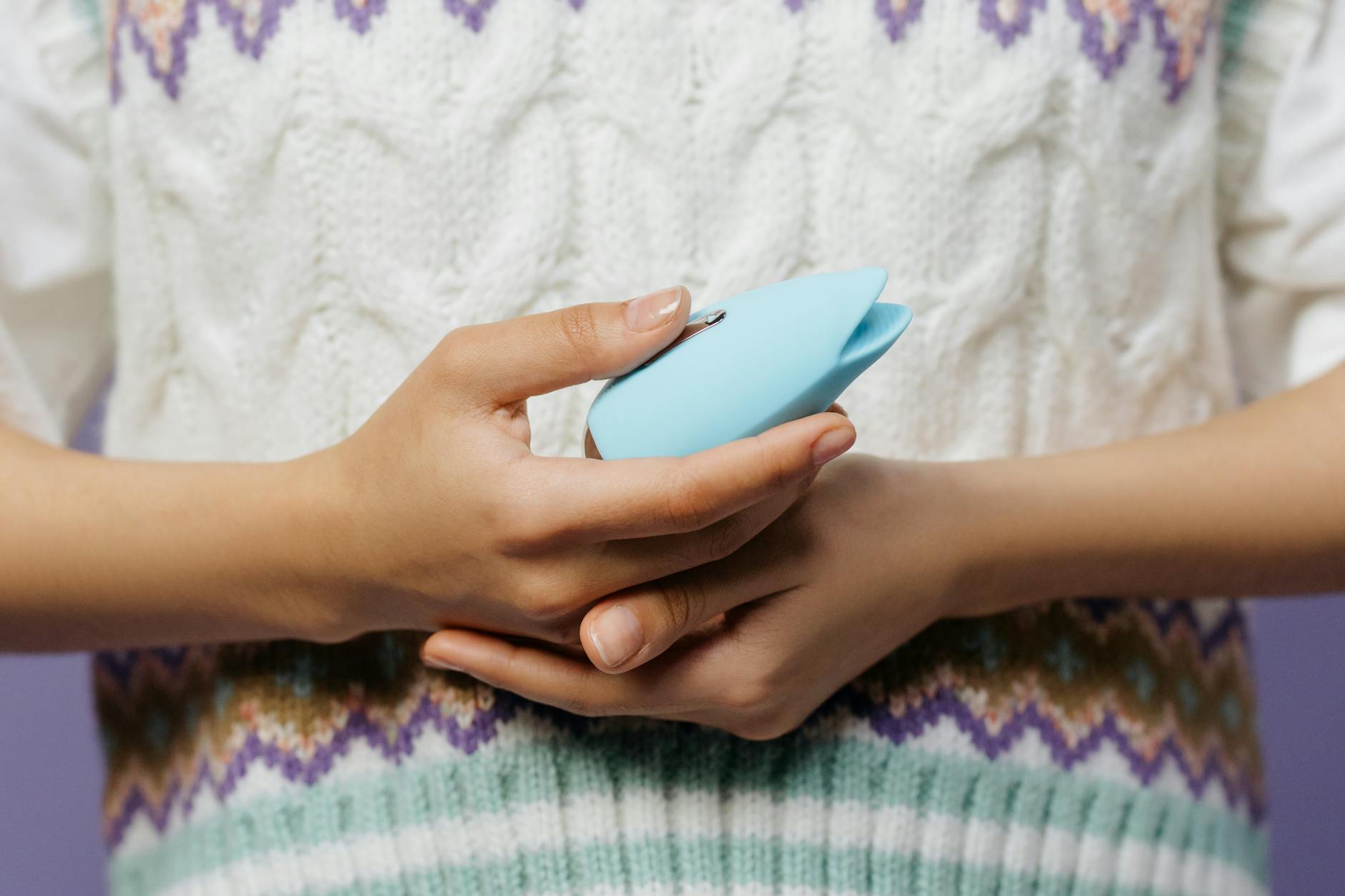
Photo by cottonbro studio on Pexels
The role of arousal (and why you might not feel aroused)
One tricky part of numbness: sometimes you feel nothing because nothing is happening, but sometimes nothing is happening because you feel nothing. It's circular. Your brain isn't getting signals, so it's not ramping up arousal, so you're not getting signals. This loop is real.
A lemon vibrator breaks the loop at the sensation level rather than the arousal level. You don't have to feel "turned on" for it to work. The suction activates nerve endings directly. As sensation returns, arousal usually follows. Not the other way around.
If you've been numb for a long time, you might also have developed some protective numbness at the emotional level. You've stopped reaching for pleasure because it felt pointless. That protective layer can take time to soften too. It's not something any toy can fix alone, but it's worth acknowledging. Sometimes talking to a therapist alongside using a lemon clitoral vibrator helps rewire both the physical and emotional pieces.
When numbness needs a medical conversation
If sensation was normal and then suddenly vanished over days, see a doctor. That can indicate nerve damage or a medical issue that needs attention.
If numbness is one-sided (only the right side, or only the left), that's also worth getting checked. Nerve compression often presents asymmetrically.
If you're on a medication you suspect is causing this, don't stop taking it without talking to your prescriber. But do bring this up. Doctors have options: dose adjustments, switching medications, or adding something to counteract the sexual side effect. It's worth asking about directly.
The patience piece
Sensation recovery is slower than most people want it to be. You want to feel things tomorrow. Realistically it's usually weeks. Sometimes months, depending on what caused the numbness. But it does come back. I've never worked with someone whose sensation didn't return with the right approach.
A lemon suction vibrator isn't a magic fix. It's a tool that works with your nervous system in a way that aligns with how numbness actually responds to stimulation. It buys you time. It gives you something to work with while other pieces (medication changes, therapy, rest, stress reduction) do their part.
Your pleasure is worth the patience it takes to rebuild.
People also ask
How long does it typically take for sensation to return with a lemon vibrator?
Most people notice something different within the first few uses. But meaningful sensation recovery usually takes three to four weeks of consistent, patient use. If numbness was caused by medication, recovery might take longer once the medication changes. If it's stress-related, you might see faster shifts. The key is that you're looking for gradual improvement over time, not an overnight fix. Some people need a month, others need three. That's normal.
Can I use a lemon clitoral vibrator if I literally cannot feel anything at all?
Yes. In fact, that's when it often works best. Because you're not expecting sensation, you're less likely to tense up and block it further. Start on the lowest setting and go slowly. Even if you feel nothing in the first session, your nervous system is being stimulated in a new way. Sensation often returns between sessions, not during them. Your nervous system processes the input over time.
Why does suction feel different from regular vibration when you're numb?
Regular vibrators rely on friction and oscillation to activate nerves. When those nerves are already dampened by medication, stress, or injury, friction isn't strong enough to break through. Suction works through pressure and rhythmic waves instead. It's activating different nerve pathways and using a completely different mechanism. For many people with numbness, it's the difference between barely anything and finally feeling something.
Should I see a therapist alongside using a lemon vibrator for numbness?
It depends on what caused the numbness. If it's purely physical (medication, hormones, nerve compression), a vibrator might be enough. If stress, anxiety, or past trauma contributed, therapy helps rewire the protective numbness your nervous system created. The best approach usually combines both: medical or physical support plus emotional work. A lemon vibrator addresses the physical part. Therapy addresses the nervous system's learned response to stress.
Is numbness during sex a sign that something is seriously wrong?
Usually not, but sometimes yes. If numbness developed gradually over months, it's probably one of the five causes I mentioned earlier. If it appeared suddenly or is worsening, get it checked out. If it's one-sided or accompanied by pain, see a doctor. Most cases of numbness are very treatable once you know what's causing it. The key is not assuming it's permanent or that nothing can help.
Can medication changes alone fix numbness, or do I need a toy too?
Sometimes medication changes are enough. Sometimes it takes time for your body to reregulate once you've switched or adjusted a dose. But many people find that a lemon vibrator actually helps speed up that recovery by actively stimulating the neural pathways while their body's chemistry is rebalancing. They work well together. It's not either-or, usually both.
The bottom line
Numbness is fixable. Your nervous system can relearn sensation. A lemon suction vibrator is one of the most effective tools for jumpstarting that recovery, not because it's magic, but because it uses a completely different mechanism than the tools that haven't worked. Patience, consistency, and realistic expectations do the rest.
If you want to talk through what might be causing your specific numbness, or you're not sure where to start, get in touch. This is a conversation worth having.