Let's talk about the thing nobody tells you
Postpartum sex isn't usually the priority. Your body is healing, your sleep is nonexistent, and someone is literally attached to your chest. Desire feels like a concept that existed in a previous life. That's completely normal, and also totally worth paying attention to when it starts to return.
Here's what I see in my practice: people who give birth often want to reconnect with pleasure but feel lost about how. The tissues have changed. Sensation might feel different. You're exhausted. And there's often a weird guilt attached to wanting your body back for yourself, which isn't rational but is very real.
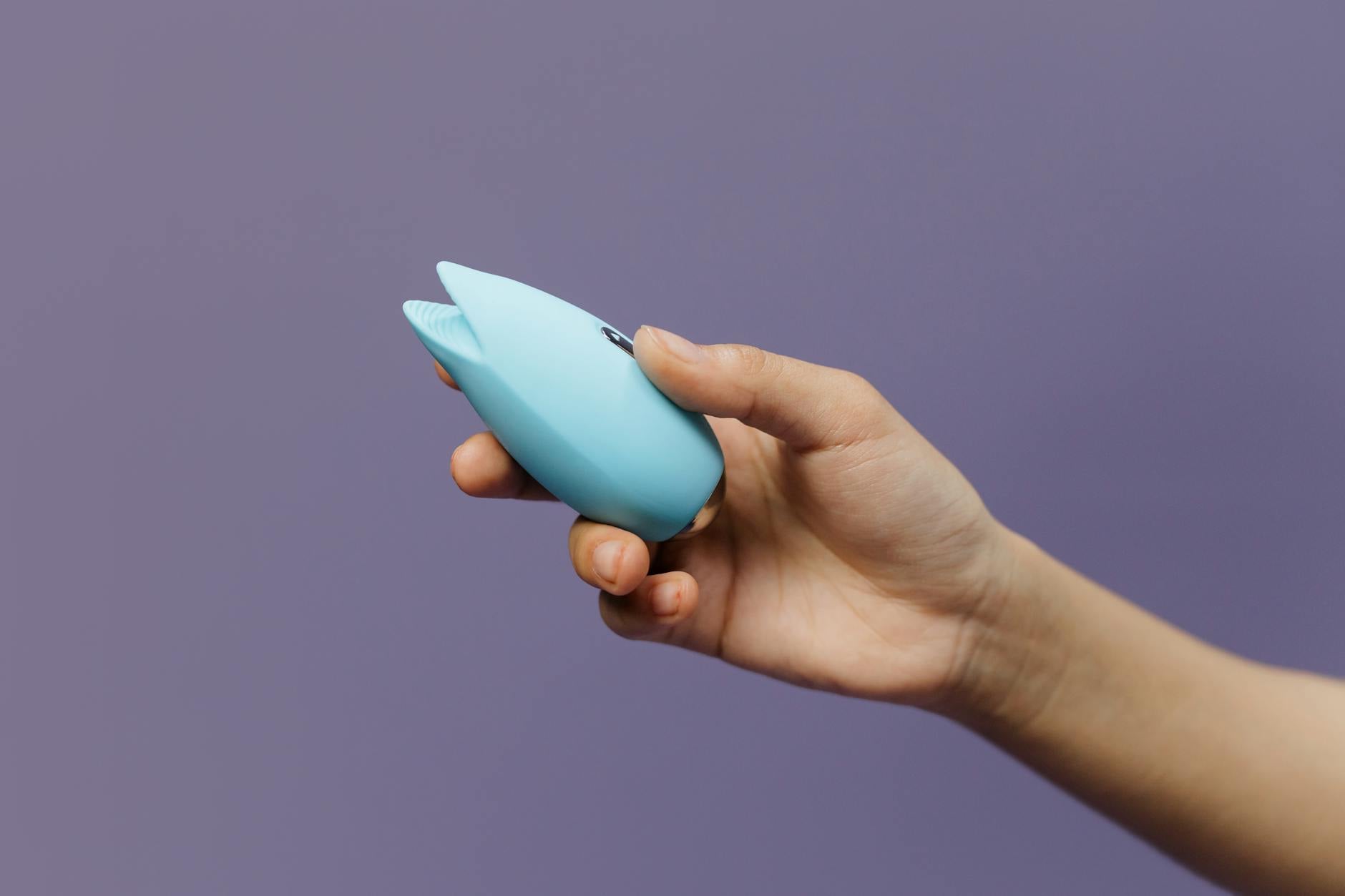
Lemon vibrators are quietly brilliant for postpartum recovery because they work with what's actually happening in your body right now, rather than against it.
What happens to sensation after giving birth
Physically, a few things are going on. If you had a vaginal birth, the tissue stretched significantly and is still healing. If you had a c-section, you're dealing with surgical recovery and scar tissue that's binding everything together in ways that can numb sensation. Either way, nerve endings take months to fully wake up again.
There's also the exhaustion factor, which isn't poetic but is real. When you're running on four hours of fragmented sleep across 24 hours, your nervous system isn't primed for subtle sensations. You need something that cuts through the fog and actually registers.
That's where lemon clitoral vibrators come in. Unlike traditional vibrators that rely on rapid buzzing, lemon suction toys use gentle rhythmic suction that stimulates without requiring the direct friction that can feel raw on healing tissue. For people in the first few months postpartum, this distinction matters.
The timeline that matters
Your GP will likely clear you for penetrative sex around six weeks postpartum (or 12 weeks if you had a c-section). That doesn't mean you're ready for everything at week six. That means your healing has progressed enough that penetration won't cause further injury. Sensation, desire, and comfort? Those are longer projects.
Most of my clients find that solo exploration feels safer than partnered sex in the early months. You're setting your own pace, not managing anyone else's needs, and you can stop whenever you need to. For some people, this solo phase lasts two months. For others, it's six.
If you're thinking about using a lemon vibrator during recovery, I'd suggest waiting until you're at least eight weeks postpartum, and absolutely get the all-clear from your GP first. Even then, the approach matters.
How to actually use them safely
Start with the lowest setting. The Lem has five intensity levels, and in those early months, you're living at level one or two. Your tissues are still tender. Your nervous system is learning to feel again under conditions of complete sleep deprivation. Low and slow is not settling. It's smart.
Use water-based lubricant every time, even if you feel like you don't need it. Postpartum tissue is often less naturally lubricated because of lower estrogen levels (yes, even if you're breastfeeding). The lubricant isn't about sexual arousal. It's about comfort and preventing micro-tears that take weeks to heal.
Limit sessions to 5-10 minutes while you're early in recovery. This isn't about self-restraint. It's about preventing overstimulation, which can cause swelling and soreness the next day. You're not trying to have the most intense experience. You're trying to remember what pleasure feels like.
Stop immediately if you feel pain. Not pressure. Not intensity. Pain. Your body is the expert here, and early postpartum is not the time to push through discomfort. Soreness the next day means you did too much.
Why lemon suction toys specifically
I recommend lemon sexual toys over traditional vibrators in this context because the mechanism is fundamentally different. Suction works with your body's natural reflex patterns rather than overriding them. The rhythmic, gentle pulling sensation can actually feel more natural as sensation is returning, because it's closer to how nerve clusters respond to stimulation when they're waking up from numbness.
Traditional vibrators often feel too intense too soon. The buzzing, even at low settings, can overstimulate healing tissue. By contrast, a lemon clitoral vibrator mimics the kind of stimulation that your body has an instinctive response to. It's familiar without being jarring.
There's also a practical element: you can control the intensity more precisely. With a traditional vibrator, there's usually a clear jump between off and surprisingly intense. With lemon adult toys, the intensity gradient is subtle, which means you can find the exact level where sensation registers without feeling overwhelming.
The emotional piece that matters as much as the physical
Postpartum bodies often come with postpartum thoughts that are less than generous. You might feel disconnected from your physical self, resentful of how much it's been through, or weirdly ashamed of wanting pleasure when you're supposed to be in full motherhood mode. None of that is rational, and all of it is treatable.
I usually suggest that solo exploration with a lemon vibrator becomes a small ritual of reclaiming your body as yours. Not as a feeding machine or a recovery project, but as a site of sensation and pleasure. Ten minutes at night when someone else is watching the baby. Five minutes in the shower. Whatever form lets you carve out a corner of your day that belongs to you.
Most importantly, there's no rush. If you're three months postpartum and still not interested in pleasure, that's fine. If you're interested but your body isn't responding the way it used to, that's also fine. Postpartum is a season of massive change, and pleasure typically takes a back seat for a while. The fact that you're thinking about it returning is enough.
Partnered sex can wait a little longer
If you have a partner, they can absolutely support your recovery without needing to be part of your early pleasure exploration. In fact, keeping solo time separate from partnered time in these early months often makes the transition back to partnered sex less fraught.
When you're ready for partnered sex, go slower than you think you need to. Warm-up time that felt fine before pregnancy should now feel short. Take breaks. Use extra lubricant. Communicate if something shifts from uncomfortable to painful. Your partner should be checking in not after, but during.
Many couples find that rediscovering pleasure together happens better after you've already rediscovered it alone. You know what your body responds to now. You know your boundaries. You're not trying to relearn everything at the same time you're managing a newborn.
What to expect as sensation returns
Most people notice that sensation gradually wakes up over three to six months postpartum. It's not binary. It's gradual. One week you'll notice something felt good. A few weeks later, things feel more alive. By month six, many people find that sensation is actually sharper than before because they're paying such close attention.
Some people find that their most satisfying orgasms come after childbirth, partly because everything is new again and partly because they've learned their bodies through the process of recovery. Postpartum isn't a deadline you're racing toward. It's a window into what's possible.
FAQ
When is it safe to use lemon vibrators after giving birth?
Wait until you're cleared for penetrative sex by your GP (usually six to twelve weeks postpartum), then wait another two to four weeks. Eight weeks postpartum is a reasonable baseline for most people, but your timeline might be different. If you had complications during birth or recovery, ask your GP specifically about vibrator use rather than assuming the general timeline applies to you.
Will using a lemon clitoral vibrator delay my healing?
Not if you're gentle. In fact, many people find that mild stimulation actually helps sensation return faster because it's activating the nerve pathways. What will delay healing is pushing too hard, using devices that are too intense, or ignoring pain signals. Lemon vibrators are designed to be gentle, which is why they work well in this context. Your body is the guide. If something causes pain the next day, you went too far.
Can I use a lemon suction toy if I'm breastfeeding?
Yes. Breastfeeding doesn't affect your ability to use a vibrator, though it might affect how your body responds to stimulation. Lower estrogen from breastfeeding can mean less lubrication and sometimes less sensation, which is one reason starting at low intensity matters. But you're not putting anything near your breasts, and the suction is localized to your clitoris, so there's no interaction with breastfeeding.
My partner wants to use a lemon vibrator with me postpartum. Should we?
That's your call, but I usually suggest waiting another month or two beyond your solo exploration. Partnered sex reintroduces another person's needs and timing into your experience. When you're already managing sensation changes, exhaustion, and the massive identity shift of early motherhood, solo exploration is often clearer. Once you know what your body responds to, partnered sex becomes easier because you're not both guessing. Your partner can support your recovery without needing to be part of your private rediscovery.
What if I'm using a lemon vibrator and nothing's happening? Is something wrong?
No. Sensation returns on its own timeline, and that timeline is unpredictable. Some people feel everything immediately. Others take months. Both are normal. If you've been using a lemon clitoral vibrator regularly for three months and still feel nothing, it's worth checking in with your GP, because sometimes postpartum hormonal shifts need clinical attention. But in the first few months, absence of sensation doesn't mean something's wrong. It means your nervous system is still reorganizing. Keep showing up gently, and most of the time, things wake up on their own.
Is postpartum too soon for any kind of sexual pleasure device?
Not if your body is ready and you're being gentle. The standard medical guidance is that you can have sex once you're cleared (usually six weeks for vaginal birth, twelve for c-section). That doesn't mean you have to want sex, and it doesn't mean everything is going to feel the way it did before. But if you're interested in exploring pleasure with a lemon vibrator when you're cleared, that's fine. Just start low, use lubricant, listen to your body, and stop if anything hurts.
You're not behind on any timeline
Postpartum recovery is not a sprint to get back to your pre-baby body or pre-baby sexual life. It's a season of regaining capacity, rediscovering sensation, and reconnecting with pleasure on new terms. Some of that happens fast. Some of it takes months. If you're thinking about pleasure returning, that's a sign your body is healing.
When you're ready to explore, lemon vibrators offer a gentler entry point than most alternatives. They work with your body's natural responses rather than overpowering them. They're precise enough that you can find your edge without crossing it. And they're quiet enough that you can use them while someone is napping in the next room, which for many postpartum people is the whole point.
Your pleasure matters. Your recovery matters. And there's no deadline for either one.