Here's the thing about pleasure after heartbreak
When you've been single for a while, or you've just come out of a difficult relationship, your body doesn't automatically switch back on the moment someone new shows interest. Your nervous system has been in protection mode. Your pelvic floor might be tense. Your brain might associate pleasure with pain or disappointment. And that's completely normal.
The gap between wanting to feel good and actually being able to feel good is real. It's not about attraction or readiness. It's about your body needing permission and time to remember what sensation feels like.
Why pleasure can feel muted or distant after relationship changes
Think of your nervous system like a dimmer switch, not an on-off button. During a difficult relationship or a long single period, that switch gets turned way down. Your body's default becomes cautious, guarded, maybe even a little numb. Psychologists call this dissociation or emotional numbness. It's a survival mechanism.
When a new relationship starts (or even when you're dating and feeling hopeful again), your conscious brain says "okay, it's safe now, light it up." But your nervous system hasn't caught up yet. You might find that arousal takes longer, that sensation feels distant or muted, or that you orgasm differently than you used to. Some people describe it as pleasure behind glass. You can see it, but reaching it feels harder.
Another layer: if you spent time not touching yourself or exploring your own body during the difficult period, you've essentially lost some of the neural pathways for arousal. The good news is you can rebuild them. Fast.
Why clitoral vibrators matter during this transition
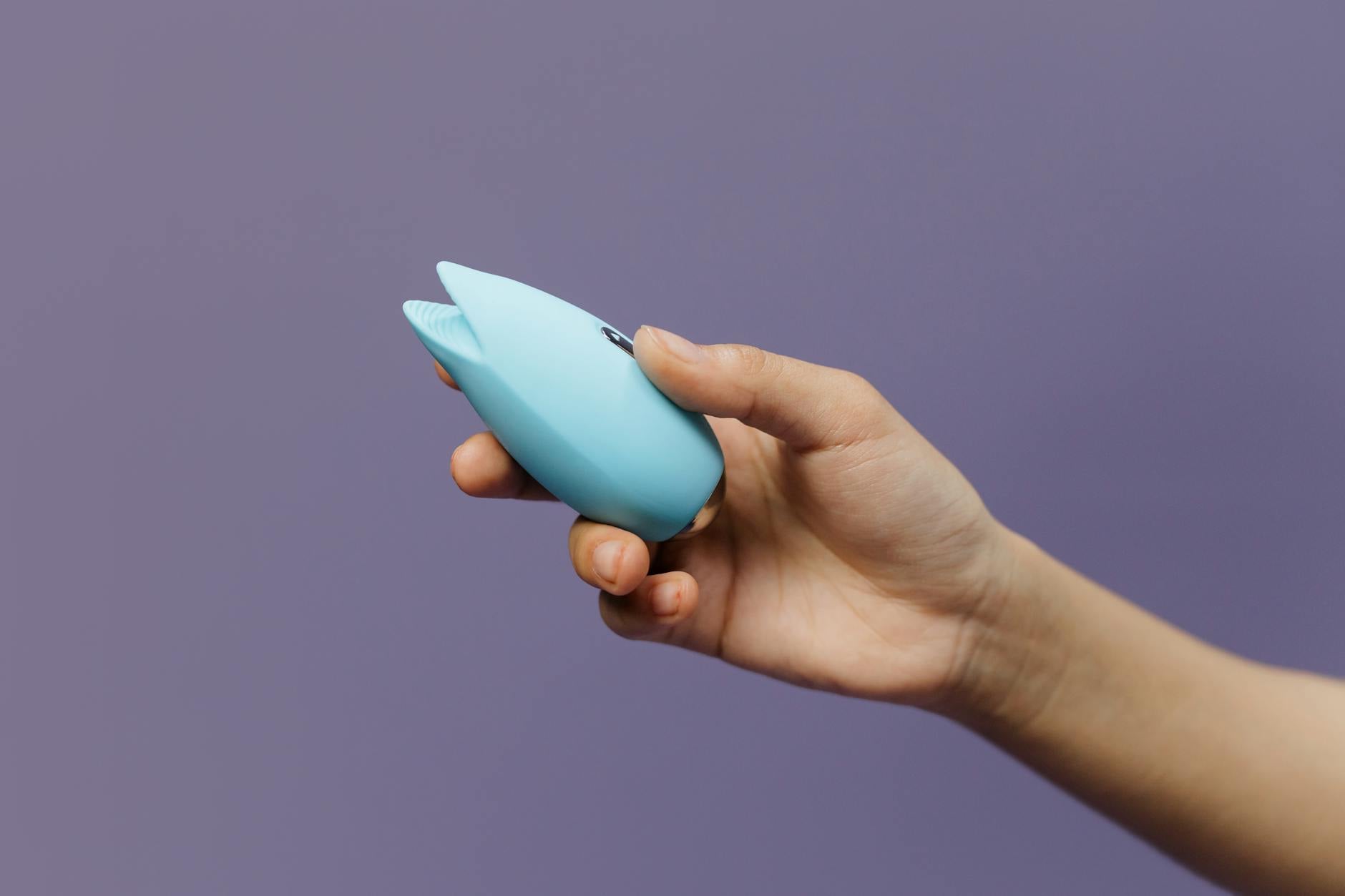
This is where lemon clitoral vibrators come in. Air-suction devices like the Lem Vibrator work differently than traditional vibrators. Instead of direct vibration (which can feel overwhelming if your body is in protection mode), suction creates a gentler, more dispersed stimulation across nerve clusters. For someone whose nervous system is learning to trust sensation again, that's invaluable.
Here's the practical part: suction doesn't require you to build up to intense sensation. You can start at pattern one or two on a clitoral vibrator and just sit with that for a few minutes. There's no pressure to escalate. No "should I be feeling more by now." Just gentle stimulation that your body can process at its own pace.
How to rebuild sensation safely with lemon vibrators
Start with something you can control completely. That might be a lemon sexual toy like the Lem, or another clitoral vibrator you can customize. Here's what I recommend to clients rebuilding pleasure:
First week: exploration, not outcome. Use your lemon vibrator for 10-15 minutes with zero goal except to notice sensation. Don't aim for orgasm. Just turn it on, find a pattern that doesn't make you tense, and sit with it. You're teaching your body that pleasure is safe.
Weeks two and three: add breath awareness. When you notice your pelvic floor or shoulders tensing up, pause. Breathe. Let your nervous system settle. Resume. You're not trying to power through tension. You're learning to soften into it. This rewires the association between pleasure and relaxation.
Week four and beyond: introduce context. Now you can use your lemon clitoral vibrator while thinking about your partner, or while reading something you find arousing, or in a specific part of your day that feels safe and private. You're integrating pleasure back into your relational context, but on your own timeline.
The role of touch and pacing with a partner
If you have a partner waiting for this to resolve, communication is non-negotiable. A lot of people feel shame about their nervous system catching up slowly. They think they have to fix it silently and then surprise their partner with improved sensation. That's backwards.
Tell your partner: "I'm rebuilding my pleasure response. I need to go slowly. It's not about you. It's about me remembering how to trust sensation again." Most partners actually feel relieved by this honesty. It removes the pressure of trying to "unlock" something that isn't broken, just cautious.
When you're ready to include your partner, start with non-genital touch. Massage, kissing, holding. Let your body remember what safety and arousal feel like together. Your partner doesn't need to be present the entire time you're using a lemon clitoral vibrator. Some of that rebuilding happens solo. That's healthy and necessary.
What happens if you're still numb after a few weeks
If you're using a clitoral vibrator regularly and sensation isn't returning by week four or five, pause and assess. Are you still in a stress response? Heartbreak, new relationship anxiety, and trauma can all keep your nervous system locked in protection mode longer than a few weeks.
Consider whether you need support beyond self-pleasure. Therapy (especially somatic or trauma-informed therapy) can help your nervous system release the bracing pattern. Some people find that movement helps: dancing, swimming, anything that gets you back into your body with permission and joy. Some people find that professional help from a sex therapist or counselor makes the difference.
None of this is a failure. Your nervous system is doing exactly what it's supposed to do. Sometimes it just needs more support than a vibrator can offer.
When pleasure comes back stronger than before
Something unexpected happens for a lot of people rebuilding pleasure after difficulty: it feels better than it did before. Not because they've changed, but because they're approaching it with less pressure, less shame, less performance anxiety. When you've had to consciously rebuild your capacity for sensation, you tend to be more present during it.
Your lemon sexual toy isn't just a tool for reaching orgasm. It's a tool for teaching your nervous system that you're safe enough to feel good. That's a fundamentally different relationship with your own body.
Common questions about vibrators and relationship transitions
Can using a lemon clitoral vibrator solo make it harder to orgasm with my partner?
No. If anything, the opposite is true. Solo exploration with a vibrator teaches your nervous system what arousal feels like, which often makes partnered sex easier, not harder. You're building a baseline of sensation that helps you recognize and communicate your needs.
How often should I use my lemon vibrator while rebuilding pleasure?
Three to five times a week is ideal. Often enough that your nervous system starts to expect pleasure as safe, but not so often that it becomes another pressure. If you miss a week, that's fine. Consistency matters more than frequency.
Is it normal for orgasms to feel different after using clitoral vibrators?
Completely. Some people report that orgasms with a vibrator feel more intense or focused than partnered orgasms. Some report they feel different but equally satisfying. There's no "right" way they should feel. The variation is normal and often resolves as your nervous system relaxes more.
My partner wants to use the vibrator with me but I want to explore alone first. Is that okay?
Yes. This is actually ideal. Solo exploration without pressure or observation lets your nervous system drop its guard faster. Once you've rebuilt baseline sensation on your own, integrating your partner's presence becomes easier. There's no timeline. Go at your pace.
Can a lemon sucker help if penetration still feels uncomfortable?
Absolutely. External clitoral stimulation with a device like the Lem Vibrator bypasses any discomfort from internal sensations. You can rebuild arousal and orgasmic capacity through clitoral pleasure alone. That's a perfectly complete experience, not a consolation prize.
What if I was never good at having orgasms before, and I'm rebuilding now?
This is actually an advantage. You don't have a "baseline" you're trying to return to. You're building a new relationship with your own pleasure from the ground up. A lot of people find they develop capacity for pleasure they never had before because they're approaching it without old habits or shame.
Moving forward with your body and your relationship
Rebounding into pleasure after heartbreak or singledom isn't about forcing it. It's about creating safety. Your nervous system needs to know that sensation means safety, not danger. That pleasure is worth the vulnerability. That you can feel good without it being conditional or temporary.
A lemon clitoral vibrator is a tool for that conversation with your body. It's patient, customizable, and entirely in your control. You set the pace, the pressure, the intensity. That control is what teaches your nervous system that pleasure is safe.
If you're ready to explore, start here. If you need more support first, get that. Your body will tell you what it needs. The job is to listen.