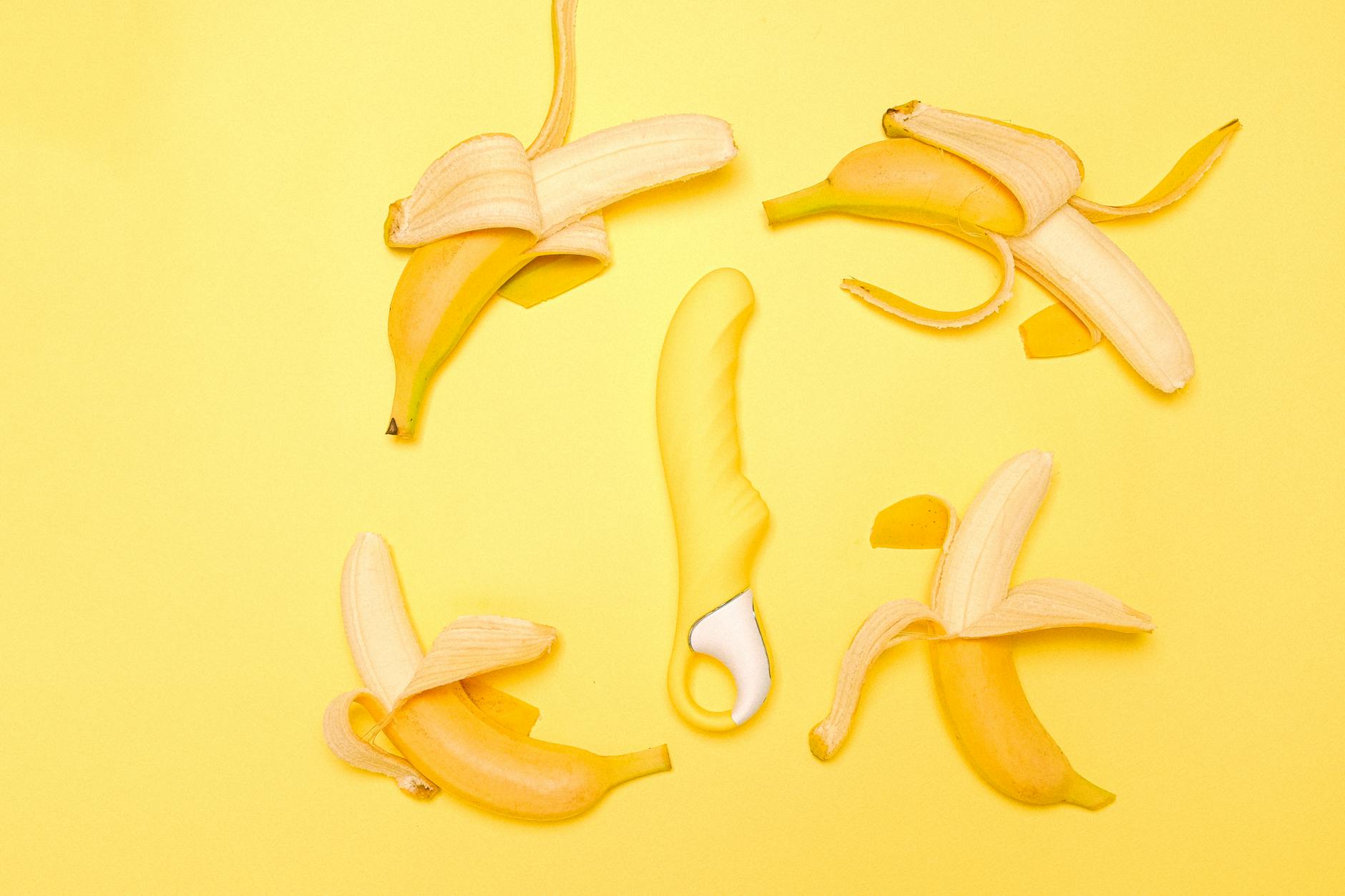
Let's talk about what foreplay actually is
Foreplay isn't the warm-up act before the main event. It's not something you rush through to get to "real" sex. Foreplay is the event. And if you've been treating it like a five-minute preamble, lemon vibrators are about to change that entirely.
Here's what most people get wrong: they think longer foreplay means more of the same thing. More kissing, more touching, more waiting. What it actually means is depth. Variation. Time to discover what builds intensity without rushing to release. That's where a lemon vibrator becomes your secret weapon. It's not just a toy that feels good. It's a pacing tool that lets you both stay in pleasure longer without scrambling for the finish line.
Why lemon vibrators shift foreplay completely
Traditional vibrators are designed for speed. They're built to deliver rapid intensity fast. Lemon suction vibrators work differently. They use gentle suction and pulsing patterns that let you build arousal gradually, which means you can sustain pleasure for 20, 30, even 45 minutes without exhaustion or numbness.
That longer window changes everything. When you're not racing toward orgasm, you have space to experiment. To check in. To notice what feels different today versus yesterday. To actually talk to your partner instead of just performing choreography you've both memorized.
For people in long-term relationships especially, this is revelatory. You stop feeling like you're on a conveyor belt. You get to be present.
Building arousal in stages
The key to extended foreplay is treating it like a three-act play, not a sprint.
Act 1: The Slow Build (10-15 minutes)
Start with the lemon vibrator off. Use it as a massager. Run it over your partner's body without activating it. Pay attention to their breath, their skin, where they lean into your hand. This is information gathering. You're learning where they want pressure today. Sometimes that's their inner thigh. Sometimes it's their hip bone. Sometimes it's somewhere they've never noticed before.
When you do turn it on, start at the lowest setting. Pattern 1 or 2. The idea isn't stimulation yet. It's curiosity. Let them get used to the sensation. Let them feel the difference between suction and vibration. Let their nervous system calm down into it instead of jolting awake.
Act 2: The Exploration Phase (10-15 minutes)
Once arousal is building (you'll notice their breathing shift, their body soften), you can introduce more variation. Switch between patterns. Move the vibrator around. Try holding it at different angles. A lemon vibrator's curved shape lets you approach the clitoris from different directions, which creates completely different sensations.
This is when communication gets easier. Because you're not already at peak intensity, there's mental space to say things like "Can you try that angle but slower" or "What happens if you move it slightly to the left." These micro-adjustments turn foreplay into a conversation instead of a performance.
Act 3: The Sustained Pleasure Plateau (10-20 minutes)
Here's where extended foreplay becomes an art. Instead of ramping up to orgasm, you're maintaining high arousal. You might stay on one pattern that feels perfect, or you might keep switching every few minutes. The lemon vibrator is powerful enough to keep arousal climbing, but gentle enough that you can sustain it without fatigue or overstimulation.
This is the phase where you might add a partner's touch. Fingers inside while the vibrator works externally. Kissing. Watching each other. There's actual time to be present instead of goal-focused.
Positioning that actually works for longer sessions
One reason foreplay often feels rushed is that people get uncomfortable. Bad positioning creates physical tension, which kills the vibe (literally).
For extended use, positioning matters. If you're using a lemon vibrator on a partner, sit or kneel between their legs where you can see their face and they can see yours. This isn't about performance visibility. It's about connection. You can read their signals. They can reach you if they want to. Neither of you is in a strained position.
If you're using it on yourself during partner foreplay, find a position where your partner can also touch you without contorting. Lying on your back with them beside you works. Side-by-side works. The key is that you're both comfortable enough to stay there for 20 minutes without your arm falling asleep or your hip screaming.
Pillows are your friend. Seriously. One under your hips changes everything about how long you can sustain arousal without tension.
The rhythm of on-and-off
One technique that extends foreplay dramatically is what I call "the breath pattern." Use the vibrator intensely for 30-60 seconds, then stop. Give your body 15-20 seconds to integrate the sensation. Then go again. Repeat this cycle 4-6 times.
What happens is your nervous system learns to hold arousal without requiring constant stimulation. You build to a higher plateau each cycle. By the final cycle, you've got sustained intensity without any of the numbness that comes from 20 minutes of constant vibration.
This also gives you natural points to breathe, to check in, to kiss, to slow down if you need to. Foreplay becomes less about endurance and more about intentional pacing.
Communication that makes extended sessions possible
Longer foreplay fails when people stop talking halfway through. It's like they think mentioning a change in sensation will break the mood. It won't. It actually deepens it.
Before you start, agree on a simple signal system. Not just the word "stop." But words for "I want more intensity," "keep doing that exactly," "try something different," and "I need a break." Having language ready means you don't have to make a big decision in the moment. You can just say it.
During the session, check in every 5-10 minutes. Not a clinical "How are you feeling?" A human one. "This okay?" "Want to try...?" "I love this." These small moments of connection are actually what make extended foreplay feel sustainable instead of like you're waiting for it to end.
When extended foreplay leads to orgasm
Something that surprises people: after a long, build-up foreplay session, orgasms often feel different. Deeper. Longer. Sometimes multiple. This isn't accidental. When you've spent 30 minutes building arousal gradually, your body has time to fully engage. Your pelvic floor relaxes into it. Your whole system is activated.
When it does happen, it can feel less like a release and more like a peak that lasts. That's the nervous system benefit of slower build.
But here's the thing. Extended foreplay isn't actually foreplay in the old sense anymore. It's its own complete thing. It can end in orgasm, or it can just end with both of you satisfied and connected. That choice, at the end of 30 minutes together, is something most people don't expect to have.
Building this into your routine
If you're used to 10-minute sex sessions, jumping to 30 minutes of foreplay feels ambitious. Start smaller. Next time, aim for 15 minutes and a lemon vibrator. See what happens. Notice where you get bored or uncomfortable. Next time, adjust. Maybe you need a better pillow. Maybe you need a different pattern on the vibrator. Maybe you need to talk more.
The point isn't to hit some perfect 30-minute mark. It's to discover what extended pleasure actually feels like for your specific body and relationship. For some people, that's 20 minutes. For others, it's 45. There's no wrong answer.
What matters is that you're building time and space into intimacy where you're not rushing. Where the goal isn't "get to the end." Where the goal is "stay here as long as it feels good." That shift in mentality, supported by something like a lemon vibrator that lets you sustain pleasure without fatigue, changes how couples feel about sex. Suddenly it's not another item on the to-do list. It's an intentional practice you both want to protect.
People also ask
How long can you safely use a lemon vibrator during foreplay?
Most lemon vibrators can run continuously for 1-2 hours on a full charge, but your body benefits from breaks. Using it for 15-20 minute blocks with 5-10 minute rests is ideal. This prevents numbness and keeps sensation fresh. If you're noticing reduced sensitivity mid-session, that's your signal to pause, kiss, touch without the vibrator, then resume. The break often resets sensation entirely.
Can you use a lemon vibrator with a partner who's never tried toys before?
Absolutely. In fact, extended foreplay is the perfect introduction. There's time to normalize it, to talk about it, to let them ask questions without feeling rushed. Start with the vibrator off, show them what it feels like as a massage tool, then turn it on at the lowest setting. Most people's resistance dissolves when they realize it's not about replacing them. It's about adding dimension to what you already do together.
What if the lemon vibrator intensity feels too strong even on the lowest setting?
Layer something between your skin and the vibrator. Thin fabric, a piece of silk, even a folded tissue works. This diffuses the sensation significantly. You can also ask your partner to hold it slightly away from your body instead of directly against it. The vibration travels through the air. After a few minutes of adjusted use, you might find your sensitivity has calibrated and you can use it directly.
Does using a lemon vibrator during foreplay affect the ability to orgasm from other types of stimulation?
No. In fact, the opposite often happens. Extended foreplay with a vibrator teaches your nervous system to stay in arousal longer, which actually improves your capacity for sensation from hands, mouths, and penetration. You're training your system to hold pleasure, not just chase it. That skill transfers everywhere. Many people report that sex without a vibrator feels different and good after they've learned to pace arousal this way.
How do you transition from extended foreplay into penetration or other activities?
Gently. If you've been building arousal for 20 minutes, your body is in a very specific state. Sudden intensity breaks that. Instead, slow down the vibrator pattern 5 minutes before you want to transition. Switch to lower settings. Add penetration or other touch while the vibrator is still working at low intensity. Let things blend rather than shift abruptly. Your partner's body will tell you the pacing if you're paying attention.
What if you want extended foreplay but you don't have a partner?
Lemon vibrators are just as incredible for solo sessions. Use the same pacing techniques. Build arousal slowly, use on-and-off cycles, try different patterns and angles. Solo extended foreplay often feels more relaxed because there's zero performance pressure. You're purely exploring what feels best for your body. Many people find that their most satisfying sessions happen alone, without an audience, without a timeline, just time and curiosity.
The bigger picture
Extended foreplay isn't really about the vibrator. It's about permission. Permission to slow down. Permission to prioritize sensation over efficiency. Permission to spend 30 minutes on something that society has taught you should take five. A lemon vibrator just makes that permission easier to act on.
If you're interested in exploring how toys can deepen your connection to pleasure, whether solo or partnered, Hello Nancy's guides offer practical strategies tailored to your specific situation. Want to talk through what might work best for your body? Get in touch.
References
Therapeutic techniques for extended pleasure in long-term partnerships are informed by the Gottman Method's research on intimate connection and communication, principles from modern relationship science on novelty and arousal regulation, and clinical observations from sex educators and relationship specialists working with couples seeking to deepen physical intimacy and extend sexual experiences beyond goal-focused activity.