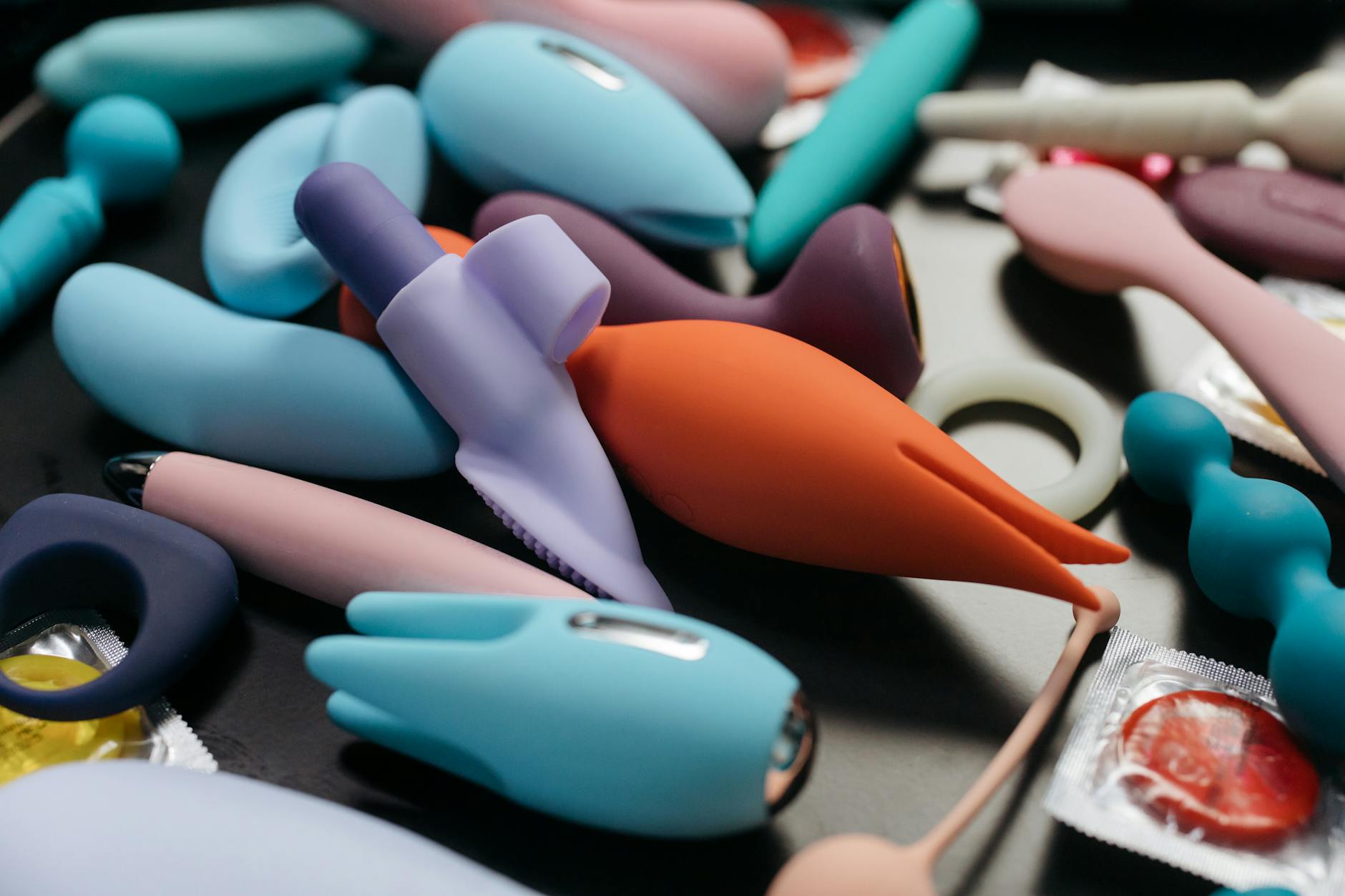
Let's talk about timing
Here's the thing about lemon vibrators and relationships: the best time to introduce one isn't when you're broken. It's when you're curious. Most couples wait until sex has become routine or difficult before exploring tools together. That's backwards. The couples I work with who integrate clitoral vibrators early—within the first few months or early years—experience less friction (both literal and metaphorical) than those who introduce them as a fix for a dead bedroom.
Timing matters. But so does knowing your relationship's actual stage.
I've worked with people in relationships from three months to thirty years. The conversation, the approach, and even the lemon vibrator itself changes depending on where you are. Let me walk you through each phase.
The early dating phase (0-6 months)
This is the easiest time to be open about pleasure tools, paradoxically because the stakes feel lower. There's no shared history of shame, no entrenched patterns. You're still discovering each other.
The key here is directness without performance. Don't make it a surprise moment meant to "spice things up"—that language alone creates pressure and positions the vibrator as a solution to a problem that doesn't exist yet.
Instead, bring it up casually in conversation. "I really enjoy clitoral vibrators. I was thinking about getting a new lemon vibrator—have you used vibrators with partners before?" This is a question, not a statement. It's inviting them into your normal, not offering them a fix.
If they seem interested, explore together. If they seem hesitant, ask why. Sometimes it's insecurity. Sometimes it's inexperience. Sometimes it's a past partner thing. All of those are solvable with honest conversation. The couples I see struggle most later are the ones who swallowed their uncertainty early instead of naming it.
The tactical part: keep it simple at this stage. A clitoral vibrator like the Lem works well because it's straightforward—no guesswork about angles or settings. You can focus on pleasure and sensation, not logistics.
The established partnership phase (1-5 years)
This is the phase where novelty wears off and you're building actual sexual rhythm together. You know each other's bodies. You also might be on autopilot.
If you didn't introduce vibrators in the early phase, this is still a good window. But the conversation is slightly different because you're not starting from curiosity—you're starting from "we want to keep this alive." That's not a weakness. It's honest.
The mistake couples make here is treating the vibrator as a quick fix for flagging desire. "Let's try this and get excited again." Better framing: "I want to experience pleasure differently with you. I want to explore what else our bodies can do together." The difference is small but important. One positions the tool as external rescue. The other positions it as shared adventure.
At this stage, involve your partner in the choice. Don't surprise them with a vibrator. Show them what you're thinking about. Read reviews together. Talk about what appeals to you. This removes mystery and builds buy-in. When someone chooses alongside you, they're already invested before you've even used it.
Tactically: many couples at this stage benefit from clear communication about frequency and settings. Some partners worry that using a vibrator means their touch becomes less important. It doesn't. But you might need to say that explicitly. "I love how you feel. This is about expanding, not replacing."
The longer-term partnership phase (5+ years)
After half a decade or more together, you've usually weathered some stuff. Kids, work stress, aging bodies, health changes. Sex has become less about novelty and more about genuine, sometimes quiet, connection.
This is the phase where I see the most resistance to vibrators, often from established patterns. If someone's never used one, they might feel like introducing it now means admitting the relationship has been missing something. It doesn't. It means you're evolving.
The conversation here needs grounding. Don't frame it as fixing anything. Frame it as curiosity about your own body. "I've been thinking about exploring what feels good to me at this stage of my life. I'd love your company while I experiment." This isn't couples therapy language. It's just honest.
Longer-term relationships also benefit from rhythm and permission. You might use a lemon vibrator twice a week, or twice a month, or not at all some months. That's fine. The point isn't frequency. The point is that both of you have agreed it's an option.
One underrated benefit of toys at this stage: they can reduce performance pressure. After years together, some people worry about not lasting long enough, or about their partner getting bored. A vibrator removes that anxiety. It's just sensation. No one's evaluating anyone.
The practical setup across all stages
Three things that help regardless of how long you've been together:
Talk before you're in bed. Not during foreplay. Not during sex. During a regular conversation over coffee or a walk. "I'd like to use a vibrator together. How do you feel about that?" Then listen. Don't persuade. Don't explain why they're wrong if they're hesitant. Just listen.
Start slow with settings. Most people default to the highest setting on a lemon clitoral vibrator because they think that equals more pleasure. It usually equals overstimulation. Pattern 1 or 2 on a clitoral vibrator is genuinely enough for most people. Let your partner explore what they like.
Build it into foreplay naturally. Don't treat it as the main event. Use it for 5 to 10 minutes as part of a longer session. This removes the weight of it being "the thing we do." It's just part of the landscape.
When communication breaks down
Sometimes you bring up vibrators and your partner shuts down. They think it means you're unhappy. They're embarrassed. They feel threatened. They had a bad experience with a previous partner.
Here's what I tell couples in this situation: you don't have to convince anyone into pleasure. You also don't have to pretend the desire doesn't exist. The middle path is saying, "This matters to me. I'm not forcing this. But I'm also not letting it go." Then give it time. Sometimes people need weeks or months to warm up to an idea.
If they never warm up, that's real information about your compatibility. It doesn't make anyone wrong. But it's worth naming.
When you're solo in the relationship
I should note: if you're the only one using a lemon vibrator in your relationship, that's completely valid. Some partners aren't interested. Some aren't present during sex for various reasons. Some relationships work with one person having solo pleasure time and shared time being separate. There's no mandate that every tool needs to be collaborative.
What matters is that you're not hiding it from shame. You're making a choice about what works for your body and your partnership.
FAQ: Lemon vibrators and relationship stages
How do I know if my partner is actually uncomfortable or just nervous?
Nervous people ask questions. Uncomfortable people shut down or change the subject. If they're asking "how does it work?" or "doesn't that feel weird?" they're processing. If they're silent or defensive, they might need more time or a different conversation.
Is it weird to use a vibrator with a new partner?
Not if you frame it right. Early dating is actually the easiest time because there's no baggage. Just be direct: "I use vibrators. Would you be comfortable exploring that together?" Most people appreciate the honesty.
What if my partner feels like a lemon vibrator means they're not enough?
This is real and worth addressing directly. Say: "You're enough for me. This isn't about replacing anything. It's about expanding what we experience together." Then show them through actions. Use the vibrator together sometimes. Use it solo sometimes. Make clear it's an addition, not a replacement.
Can I use a vibrator with my partner if we've never talked about it?
Technically yes. Practically, no. Partners deserve a heads-up. "I'm going to use a vibrator during sex tonight" takes thirty seconds and prevents a lot of shock or hurt feelings.
What if I want a vibrator and my partner really doesn't?
You have a choice: accept that you use one solo, have a deeper conversation about why they object, or recognize it's a compatibility gap. All three are valid depending on your situation. But pushing someone into accepting something they've said no to doesn't end well.
Does using a clitoral vibrator change how sex feels with a partner?
It can shift sensation and pressure. But it also opens up new possibilities. Some couples find that vibrators take performance pressure off, which actually improves intimacy. Others find they just like variety. There's no single answer.
The real talk
Integrating lemon vibrators into a relationship is less about the tool and more about what the tool represents: openness about your body, willingness to experiment, and commitment to pleasure as a shared value. The stage you're in just changes the conversation, not the principle.
The best time to bring this up is always now. Not when things are broken. Not when you're desperate. Just when you're curious. That's when the conversation is easiest and the outcomes are best.
If you want to explore this with a partner and need language or support, reach out to us at Hello Nancy or consider talking with a relationship coach who specializes in intimacy. Your pleasure matters, and so does theirs.