The conversation nobody wants to have (but actually isn't that hard)
Let's be real: most people don't introduce vibrators because they're nervous it'll signal something wrong with the relationship. Maybe they think their partner will feel inadequate. Or they're worried it sounds demanding. Or they just don't know how to bring it up without it feeling clinical or weird.
Here's the thing: the best partnerships are built on people being honest about what they want. And if what you want is better, more consistent pleasure, that's not a referendum on your partner. It's just information.
I've worked with hundreds of couples, and the ones who navigate this well aren't the ones with perfect communication already. They're the ones who decide that honest awkwardness beats silent resentment every single time.
Why couples avoid the conversation (and what that costs)
The research is pretty clear on this. When one partner wants something sexually and doesn't ask for it, resentment builds quietly. Not because the other person did anything wrong. Because unmet desire starts to feel like a choice your partner made.
That's backwards. Your partner can't give you what they don't know you want.
Introducing a lemon clitoral vibrator isn't about fixing anything. It's about saying: "I'd like to feel this sensation. I'd like us to explore this together. I trust you enough to ask."
That's not a complaint. That's an invitation.
The setup: when and how to bring it up
Timing matters. You want to be alone, relaxed, and not in the bedroom immediately before or after sex. That means no performance pressure, no immediate expectation.
So pick a moment. Maybe over coffee. Maybe on a walk. Somewhere you can both breathe.
Start simple: "I've been thinking about trying a vibrator together. Not because anything's wrong. Because I think it could feel amazing for both of us."
That's it. You don't need a thesis. You don't need to apologize for the idea.
If your partner looks unsure, pause and ask: "What's coming up for you?" Listen. Don't defend. Common fears I hear:
- "Will you need it instead of me?" Answer: No. It's a tool, like lube. You still want them.
- "Does this mean I'm not enough?" Answer: It means you want to explore something together. That's about addition, not replacement.
- "I don't know how to use it." Answer: You learn together. No pressure.
Choosing the right toy (and why it matters)
Don't start with an industrial-strength wand vibrator. You want something intuitive, quieter, and designed for couples play.
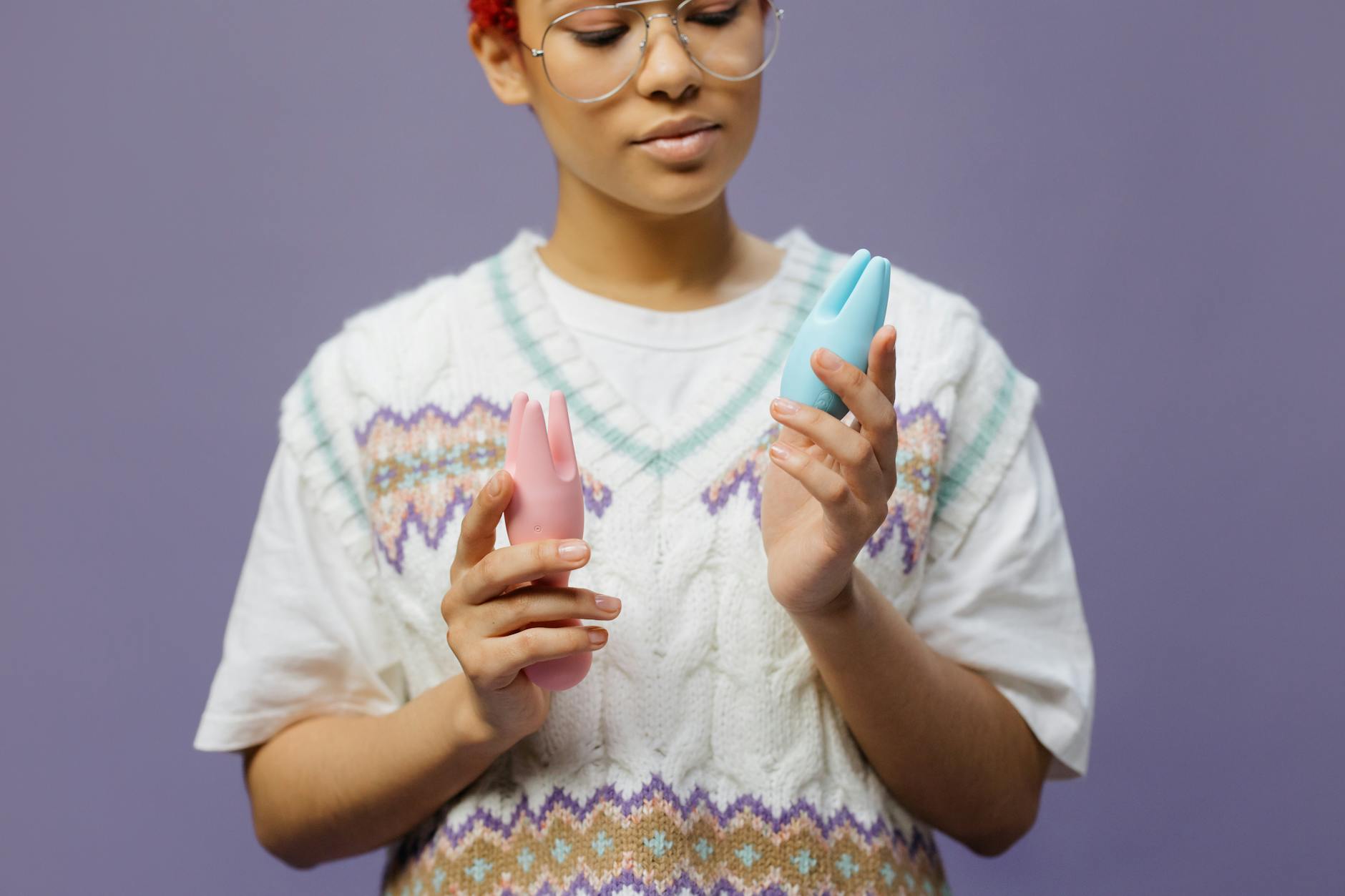
Lemon clitoral vibrators like the Lem are engineered for this specifically. The suction mechanism feels different from traditional vibration, which can help if your partner is nervous about the experience feeling clinical. It's sensual and powerful without being intimidating.
When you shop together, that conversation becomes collaborative. You're not secretly buying something to surprise them with. You're saying, "Let's figure out what works for us." That's vulnerable and connected.
If going to a website together feels too exposed, do it separately, then text a link: "I found this. Thoughts?" That's often easier for a first step.
The first time: make it feel good
You've talked. You've chosen something. Now comes the actual moment.
Don't choreograph it like a scene. Just start with what you normally do, and at some point, introduce the toy. Your partner holds it. You guide their hand if they want. There's no script here because every couple's dynamic is different.
What I tell people: pace matters. Go slower than you think you need to. Let sensation build. And check in: "How does this feel?" isn't clinical. It's intimate.
Navigating the emotions afterward
Sometimes couples feel amazing. Sometimes it's awkward. Sometimes one person loved it and the other felt self-conscious.
All of that is normal.
The key is to talk about it when you're not having sex. "I really liked that" or "I felt weird about X, but I want to try again differently" are both valuable pieces of information.
You're not locked in to doing anything a certain way. If something doesn't work, you adjust. That's the whole point.
When your partner resists
Sometimes someone says no. That's their right.
But there's a difference between "I'm not ready" and "I never will be." If your partner is just anxious, giving them time and space often helps. Letting them hold the toy, see it's not scary, ask questions. That's different from pushing.
If they're flatly refusing and it's something you really want, that's a conversation worth having with a therapist. Not because there's something wrong with them, but because you've identified something important about what you need, and they've identified something important about their boundaries. Those two things need to meet somewhere.
Making it part of your dynamic
Once you've done it once, it gets easier. You can say, "Want to use the Lem tonight?" the same way you'd say, "Want to try that restaurant?"
Some couples use vibrators regularly. Some save them for special occasions. Some start with toys and realize they don't want to keep using them. All of that is fine.
The point isn't that you have to use vibrators forever. The point is that you've opened a conversation where desire is normal, asking for what you want is safe, and exploring together is something you do.
That changes everything.
People also ask
Will introducing a vibrator make my partner feel inadequate?
Not if you frame it right. The difference between "I need this to finish" and "I want to feel this sensation with you" is huge. One sounds like a criticism. One sounds like curiosity. A good partner understands that bodies are complicated and pleasure is complex. Wanting to add a tool doesn't mean they're not enough. It means you want to go deeper together.
What if my partner wants to use it but I'm uncomfortable?
That's valid too. You get to have boundaries. But be honest about whether it's truly a no or just nervous. Nervousness often softens with time and information. Sit with it for a bit. Look at pictures. Hold it. Feel it. Sometimes the discomfort is just unfamiliarity. Sometimes it's a real boundary. You'll know the difference.
Is it better to introduce a vibrator early in a relationship or after you're settled?
There's no perfect timing. Early, and you're showing vulnerability and openness from the start. Later, and you already have trust built in. New couples sometimes find it easier because there's less to unlearn. Established couples sometimes find it easier because they know each other's fears. Do it when it feels right to you.
How do I bring up vibrators if we've never talked about sex much?
Start small. You don't need to have "the sex talk." You can say, "I read something interesting about pleasure and relationships," and leave it at that. See if they're curious. Let it unfold naturally rather than forcing a formal conversation. Sometimes the smallest doors open the biggest rooms.
My partner suggested vibrators but I feel weird about it. What do I do?
Don't force yourself. But also, get curious about what the weirdness is. Is it shame about pleasure? Fear that you're supposed to be enough? Anxiety about using something new? Those are all different things that need different responses. Talk to your partner about what's coming up, not just that it is.
Will lemon clitoral vibrators work for us if we've only ever had vanilla sex?
Yes. The Lem doesn't require expertise. It feels good. Your partner can hold it, you can guide them, or they can explore how to use it on you. There's no learning curve. It's intuitive. And introducing it can actually be a gentle, natural way to expand what "vanilla" means for you both.
Let's be honest: the hardest part of introducing vibrators isn't the vibrators. It's admitting that you want something and trusting your partner to hear it without defensiveness. Once you do that, everything else is just logistics.
Your pleasure matters. Your curiosity matters. And a partner worth keeping will get that immediately.