
Here's what nobody tells you about vibrators
You buy a lemon vibrator. You try it once. Nothing happens. So you assume it's broken, or you're broken, and you shove it in a drawer. Sound familiar?
The truth is messier and also more encouraging. Your body has a learning curve with vibrators, and that curve looks completely different depending on your history, stress levels, medications, and relationship with your own pleasure.
The three-session minimum
I tell clients this: you need at least three solo sessions before you have any real data. Not three minutes. Three separate occasions, ideally spaced a few days apart.
Why? Because your nervous system is meeting a new sensation, and novelty itself changes how you respond. The first time, you're curious and maybe a little self-conscious. The second time, you're less novelty-focused but still learning the device's patterns. By the third time, your body actually knows what's happening and can start to relax into it.
Most people quit after session one because they expected fireworks. What they got instead was a learning experience that felt incomplete.
The first session: you're gathering data, not chasing orgasm
Approach your first time with a lemon vibrator the way you'd approach learning a new skill. You wouldn't expect to play guitar and sound like a professional. Same applies here.
What to actually do: set aside about 20 minutes. No pressure for any specific outcome. Turn on the device at the lowest setting and explore. Let yourself notice where you feel the sensation most intensely. Notice which patterns feel good and which feel annoying. Some people discover their clitoris responds to the side contact more than direct. Others prefer constant pressure over pulsing patterns.
This is you collecting information about your own body, not failing at pleasure.
Sessions two and three: your body starts recognizing patterns
Sessions two and three feel noticeably different because your nervous system has stopped treating this as completely novel. You know roughly what's coming. Your body can relax a bit. That relaxation matters because tension literally prevents arousal from building.
Many people report that orgasm happens on the second or third session when it didn't on the first. That's not the vibrator getting better. That's you getting more comfortable.
If you're still feeling nothing by session three, that's useful information, but it doesn't mean stop. It means you might need to adjust something. Try a different setting. Try a different time of day. Try when your body feels numb after long-term stress and see if that resonates with your situation.
The two-week reset: when you need to give your body time
Here's something counterintuitive. If you use a lemon vibrator every single day for a week, your clitoris can actually become temporarily less sensitive to the sensation, similar to how your skin adjusts to constant pressure. It's called accommodation, and it's completely normal.
If you notice the vibrator feeling less intense by day five or six, stop for a few days. Three to five days away gives your nerve endings a chance to reset. You'll come back to it with renewed sensitivity.
This isn't a sign something's wrong. It's actually a sign your body is responding. You're just giving it breathing room.
Medication and timing: the plot twist
If you're on antidepressants, antihistamines, blood pressure medication, or hormonal birth control, those all affect sensation and arousal timelines. SSRIs are famous for this. You might need twice as much time to build arousal.
Similarly, if you typically need 20 minutes of manual stimulation to warm up, you'll need about the same amount of time with a vibrator. The device doesn't fast-track your actual arousal. It just delivers the stimulation differently.
Don't fight your natural timeline. Work with it.
The plateau: when a week feels like nothing
Imagine you're using a lemon vibrator and week one felt great, but by week three, you're barely noticing the sensation. You're not broken. You're plateauing.
Plateaus happen because your body adapts to consistent stimulation. The fix is variation. Switch settings every few days. Try different positions. Use it with a partner's touch involved. Sometimes the pleasure returns when you reach a pleasure plateau and change what you're doing.
Most people interpret plateau as failure. It's actually feedback that your body is asking for novelty.
What if you have trauma or anxiety around pleasure
If pleasure has felt scary or forbidden, your body might need significantly more time. Some people need four to six weeks of regular use before they stop tensing up the moment the vibrator turns on.
This isn't about the vibrator being ineffective. This is about your nervous system learning that pleasure is safe. That learning takes time, and it's completely valid. When you feel anxious about pleasure is a deep dive into this exact issue if it resonates.
Go slowly. Patience here is a feature, not a bug.
The partner question: why using it together feels different
If you're introducing a lemon vibrator into partnered sex, expect the timeline to extend slightly. Your partner's involvement changes the dynamic. Their comfort level matters. Their presence changes your nervous system state. Some couples find it takes a few attempts before the novelty of "hey we're doing this together" wears off enough for actual arousal to build.
Start with the vibrator during foreplay rather than as the main event. Let your partner hold it while you direct them. The collaboration often matters as much as the device.
Real timeline expectations
Here's a realistic breakdown:
Sessions 1-3: Novelty, learning, data gathering. Orgasm is optional.
Weeks 1-2: Your body is adjusting. Most people notice clearer sensation and faster arousal by day 10.
Weeks 3-4: Plateau might hit. If it does, switch your routine.
Months 2+: You've developed a relationship with your own pleasure that's durable. The vibrator becomes a tool you actually reach for, not something you're testing.
Some people feel results in three sessions. Others need six weeks. Both are normal.
The one thing that actually predicts success
It's not body type. It's not your age or relationship status. It's whether you approach the vibrator with curiosity rather than pressure.
The moment you start thinking "this should work," your nervous system tenses. The moment you think "let me see what happens," it relaxes. Relaxation is what allows sensation to build into arousal.
Give yourself permission to approach this slowly. Your body will thank you.
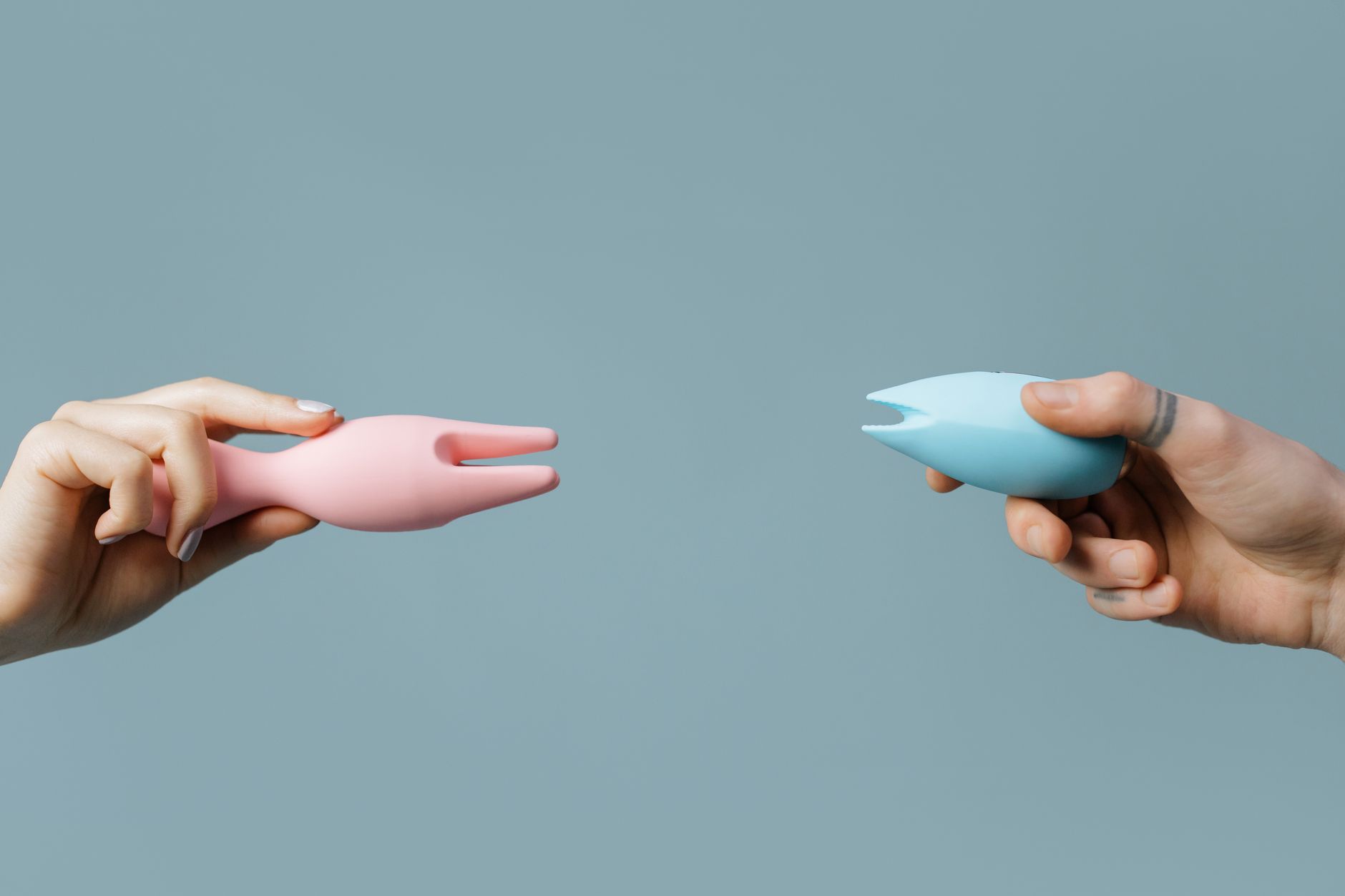
Photo by cottonbro studio on Pexels
FAQ: common questions about lemon vibrator timelines
How do I know if my vibrator is actually broken versus my body just needing time?
A working vibrator will vibrate when you turn it on. You'll feel the motor running. If nothing happens when you press the button, there's a battery or device issue. But if the motor is running and you're feeling nothing, that's about your body's adjustment period, not a defective lemon clitoral vibrator. Sometimes numbness is temporary. Sometimes it points to stress, medication, or other factors that need addressing separately.
Can I use a lemon vibrator every day, or does that desensitize me?
Daily use for a few weeks is fine. Daily use for months can lead to accommodation, where sensation dulls slightly. If you notice decreasing sensitivity around week three or four, take three to five days off and your nerve endings will reset. You don't have to choose between using the vibrator regularly and maintaining sensitivity. You just need strategic breaks.
Why does my vibrator feel better on some days than others?
Arousal, hormones, stress, and even your sleep quality all affect how your body responds to stimulation. If you use the vibrator when you're stressed, you'll feel it less intensely than when you're relaxed. If you're in the follicular phase of your cycle, sensation tends to be sharper than in the luteal phase. These aren't failures. They're your body communicating what conditions help you feel most.
If nothing happens after two weeks of regular use, should I give up?
Not yet. Two weeks is still early for many people. Ask yourself: are you under unusual stress? Did you recently start or change medication? Are you giving yourself actual mental space for pleasure, or are you rushing through it? Sometimes a month of consistent, relaxed use reveals what two weeks of pressured use never will. But if you're genuinely seeing no change after six weeks, there might be something specific to address. That's when talking to a healthcare provider makes sense.
Does using a lemon vibrator mean I need one to orgasm forever?
No. Some people use vibrators for a while and then switch back to manual stimulation. Others use them regularly alongside partnered sex. Some discover they actually prefer hands-on touch once they've cleared away anxiety around pleasure. The vibrator is a tool, not a trap. You can use it for a season of your life and put it down later, or keep it permanently. Your body will tell you what works.
What if my partner thinks I should have results instantly?
Then your partner might benefit from understanding how pleasure actually works. Bodies don't work on shame timelines. A partner who expects immediate results might be bringing their own insecurity or pressure into the equation, and that pressure literally prevents arousal. If you have a new partner who feels intimidated by vibrators, that's a separate conversation worth having. It's not about the device. It's about creating safety together.
The bottom line
Give yourself at least three sessions before you decide anything. Give your body at least two weeks of regular, relaxed use before you draw conclusions. Notice what changes, what stays the same, and what your body actually needs. The timeline for discovering what a lemon vibrator can do for you is yours to set. Honor it.
If you're still uncertain about whether a vibrator approach is right for you, or you want to explore this with a partner, get in touch. We're here to help you figure out what works.