Let's name what's actually happening
It's not that the desire died all at once. It faded so slowly you didn't notice the moment it left. Years in, most couples hit a rhythm that works logistically but doesn't feel alive. The sex (if it's still happening) follows a predictable script. You know the ending before it starts. And somewhere in there, you stopped wanting to show up.
This isn't failure. This is the most common plateau in long-term relationships. And here's what makes it tricky: it doesn't feel like a sexual problem. It feels like a you problem, a relationship problem, maybe even a sign that this thing is done. But the actual problem is neurological stagnation. Your brain has stopped being surprised.
How stagnation kills desire (the science part)
Desire requires novelty. Not necessarily new partners or new locations. Neurologically, novelty means anything your brain hasn't fully predicted. When you've had the same kind of sex in the same way for years, your nervous system stops paying attention. The dopamine hit that comes with arousal flattens. Your body keeps showing up, but your brain is elsewhere.
Meanwhile, your partner is experiencing the exact same shutdown. You're both going through motions that once felt connecting but now feel like another task on the to-do list. The resentment builds quietly. "Why does my partner not want me?" meets "Why do I have to initiate everything?" and suddenly you're not having sex at all.
Here's the weird part: this isn't actually about your partner. It's about pattern interruption. Your nervous system needs to be shaken awake.
Why clitoral vibrators reset the game
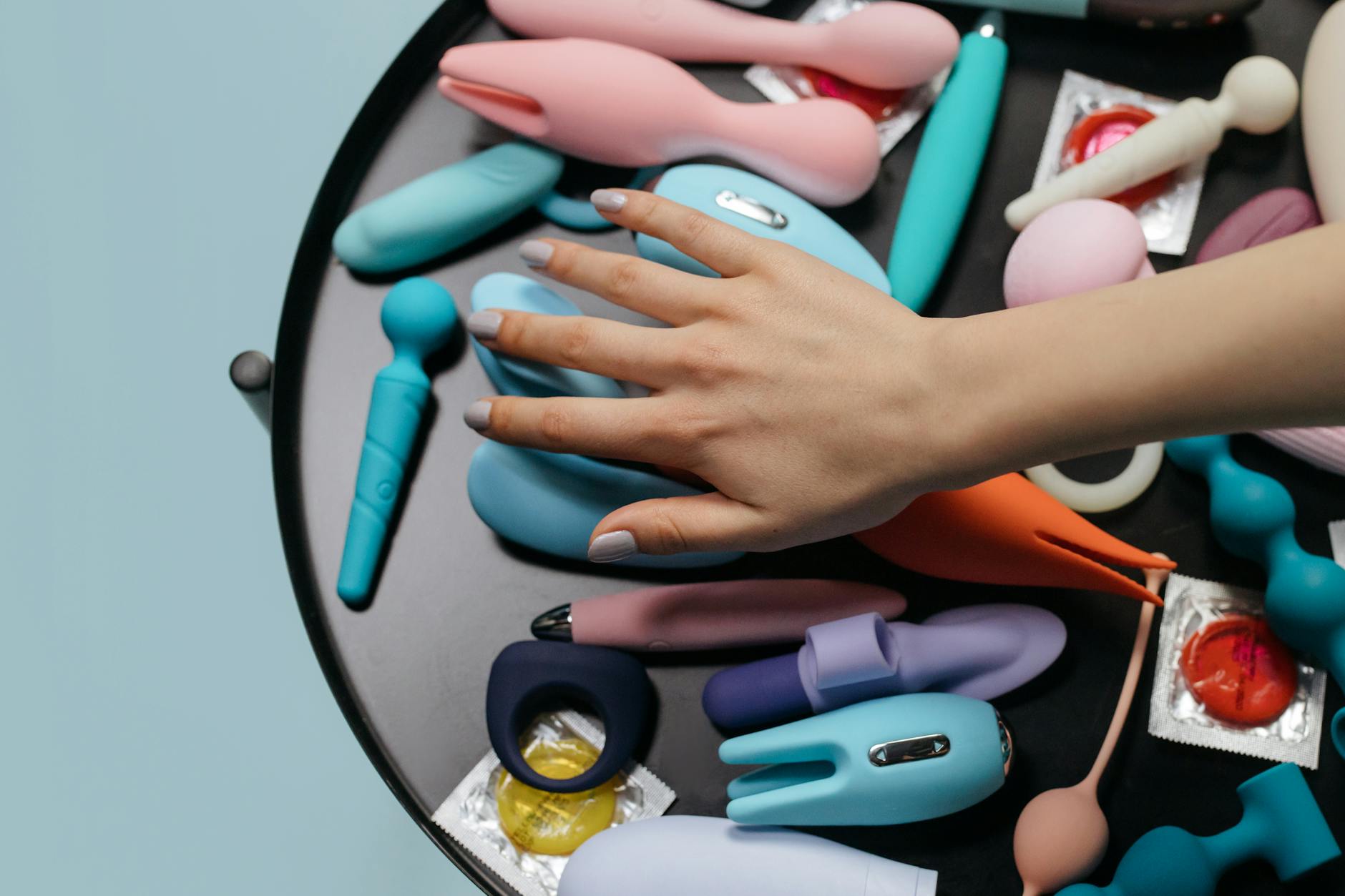
Lemon vibrators, specifically clitoral suction devices like the Lem, work differently than other toys because they interrupt the predictable friction pattern your body expects. The pulsing suction creates a sensation that doesn't fit into your existing mental map of "sex." That mismatch is exactly what you need.
When something feels genuinely new, your brain lights up. Not just the pleasure centers. The attention centers. The curiosity centers. You're present again. And presence is the door that reconnection walks through.
Using a lemon clitoral vibrator solo first (or with your partner watching, depending on what feels right) does something specific: it reminds you what pleasure independent of expectation feels like. You're not performing. You're not checking boxes. You're exploring. And that explorer version of you is someone your partner hasn't met in years.
The before and after pattern
Most couples describe this in three phases.
Phase one: reintroduction. You use lemon vibrators or other adult toys privately. The goal isn't to fix the relationship. The goal is to rebuild your own relationship with pleasure. You remember what arousal actually feels like when it's not filtered through routine or resentment. This takes weeks, not days. Don't rush it.
Phase two: curiosity. Your partner notices you seem different. Not distant. Present. Awake. They ask what's going on. You tell them (or show them, depending on comfort). This is vulnerable. The vulnerability matters more than the toy.
Phase three: play. You and your partner use clitoral vibrators together, or you play together with one of you using it. The key is that it's happening in real time, in shared space. You're both discovering something together. The toy becomes the reason you're laughing, talking, trying something that doesn't have a script.
What makes lemon vibrators different
Not all clitoral vibrators interrupt patterns equally. Vibrators with simple on-off mechanics or standard rhythmic patterns don't feel novel for long. They just become a faster way to the same ending.
Lemon vibrators use air-pulse suction technology. The sensation is fundamentally different from what your body already knows. It doesn't feel like friction. It doesn't feel like penetration. It feels like nothing you've experienced before. That's the reset button.
Lemon sexual toys also tend to be less intimidating for couples navigating stagnation. They're compact. They don't require the emotional labor of a bigger conversation about "bringing in a third element." They just sit there, non-threatening, until you're curious enough to try.
The conversation you actually need to have
Using lemon adult toys works only if you also address the larger pattern. The toy won't fix years of disconnection on its own. But it can create a bridge.
The conversation to have isn't "I think we need to spice things up." That language creates pressure and makes it about performance. The conversation is: "I miss feeling connected to you. I want to try something that might help us both feel awake again. Are you willing to explore this with me?"
If your partner says no, you have information. That no might mean they're scared. Scared of judgment, scared of failing, scared that acknowledging the stagnation makes it real. That's a different conversation than "my partner won't try." That's "my partner is afraid," and that's something you can actually work with.
If they say yes, the goal isn't performance. The goal is presence. The toy is just the thing that makes presence possible again.
When to bring in outside help
If the stagnation has turned into resentment or contempt, lemon vibrators alone won't fix it. You might need couples therapy first. A skilled therapist can help you both feel heard and can reset the conversation from blame to curiosity. Then clitoral vibrators become part of the toolkit, not the whole toolkit.
If one partner is completely uninterested in reconnection (not just scared, but genuinely checked out), that's also important information. A toy can't revive desire that's already left the room. It can only support desire that's dormant.
Most commonly though, stagnation is dormancy, not death. And dormancy is fixable.
The small things that compound
Using lemon clitoral vibrators or other adult toys works best when it's part of a larger pattern shift. Small things: turning phones off for thirty minutes. Asking your partner what actually feels good instead of assuming. Trying a position you've never tried. Reading something together about pleasure that makes you both laugh.
The toy is the permission slip. It says: "We're allowed to try something different." But the real work is showing up differently. Being curious instead of mechanical. Being present instead of checking boxes.
That's what actually resets desire after years of stagnation. And it's what makes the experience feel genuinely connecting instead of just technically satisfying.
People also ask
Can lemon vibrators actually fix a stagnant relationship?
No. But they can interrupt the pattern enough to create space for reconnection. A toy is a tool, not a therapist. If the relationship itself needs work (communication, trust, emotional intimacy), those conversations still have to happen. What clitoral vibrators do is make those conversations possible by reminding both partners that pleasure is still available to them.
What if my partner is embarrassed about using clitoral vibrators?
Embarrassment usually masks fear. Fear of being judged, fear of being bad at it, fear that suggesting a toy means they haven't been enough. That's worth naming directly. "I'm not bringing this in because something's missing with you. I'm bringing it in because I want us both to feel alive again." Give them permission to feel awkward. Awkwardness passes. Stagnation doesn't.
How long before you see a difference using lemon sexual toys?
Some couples feel a shift within a few weeks. Some take months. The key variable is whether both partners are actually willing to try something different. If one person is going through the motions while secretly judging, nothing changes. If both people are genuinely curious, even awkwardly so, you'll notice a difference in tone and presence pretty quickly.
Do I have to use lemon vibrators with a partner?
Not at all. Many people find that using clitoral vibrators solo first actually makes the relationship benefit happen faster. When you reconnect with your own pleasure independent of your partner's response, you show up differently. You're less resentful. You're more grounded. That alone can shift the dynamic.
What if using toys together feels like admitting defeat?
It's not. It's admitting that the old script isn't working and you're brave enough to write a new one. That's not defeat. That's the opposite of defeat. That's choosing to fight for something that matters instead of letting it fade quietly.
Can clitoral vibrators help with mismatched desire?
Yes, but in a specific way. If one partner has lower desire and the other is frustrated, clitoral vibrators can help the lower-desire partner reconnect with their own arousal independent of pressure. That's not the same as matching desire perfectly, but it does ease the resentment that usually feeds stagnation.
The reset you're actually after
Relationship stagnation isn't about needing a bigger house or a vacation (though those can help). It's about needing permission to show up differently. Lemon vibrators and other clitoral toys give you that permission. They say: "This relationship can still surprise us. We can still explore together. We're not done yet."
The tool matters. But the choice matters more. The choice to be curious. The choice to be vulnerable. The choice to try something that makes you both feel a little bit alive again.
That choice, backed by presence and honesty, is what actually rewires desire. The toy is just the beginning.
Ready to have the conversation? Start with honesty, not performance. And if you need guidance on navigating this with your partner, reach out to us. We're here to help.