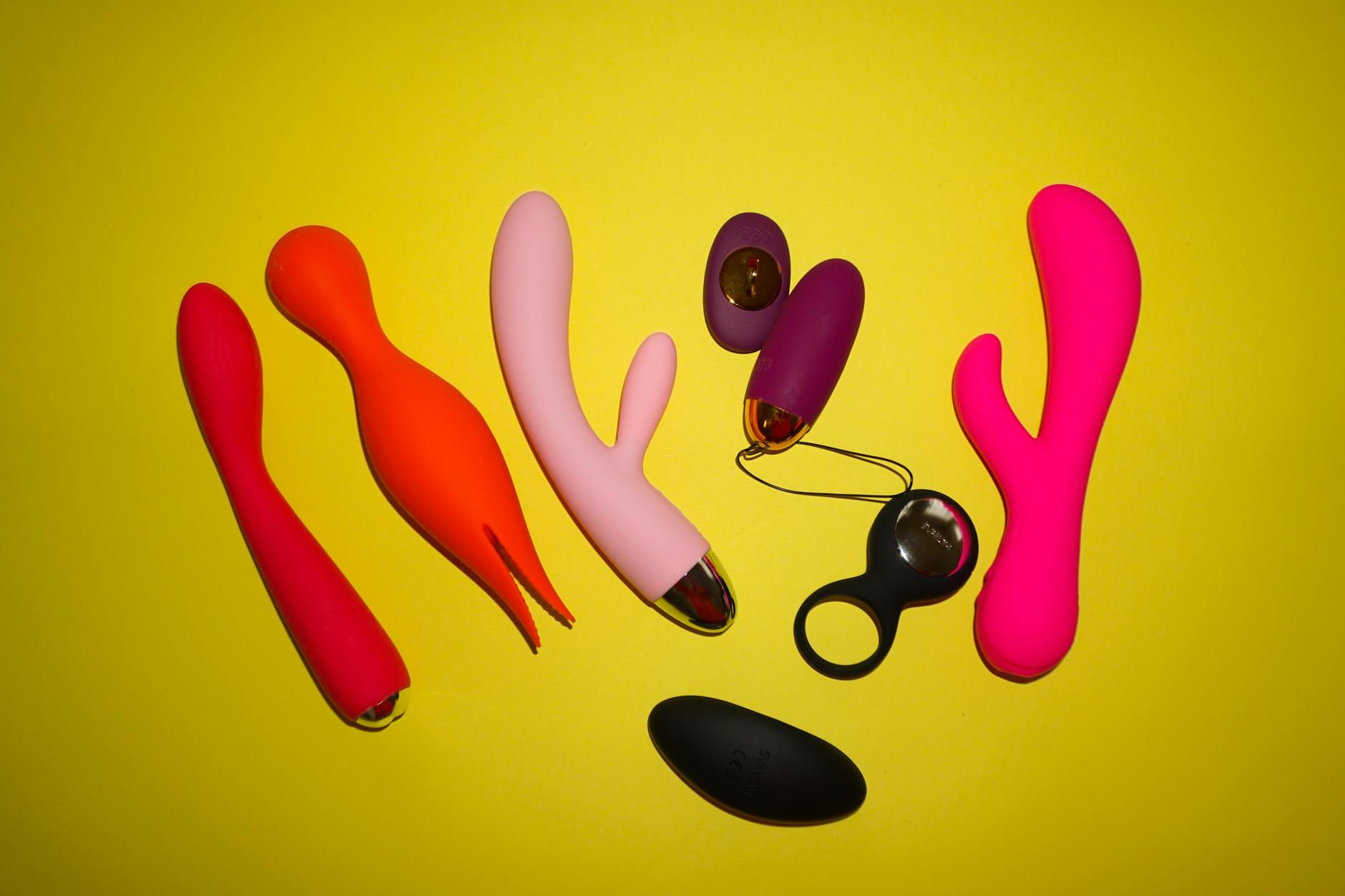
Let's be honest about pregnancy and pleasure
People often assume that pregnancy means putting sex and self-pleasure on pause for nine months. That's not quite how it works. For most people, pregnancy doesn't mean you stop having a body that responds to touch. It means your body is doing something new, and knowing how to navigate that safely matters.
So here's the question: can you use lemon vibrators while pregnant? Short answer: yes, for most people and most pregnancies. But "most" isn't "all," which is why the conversation is worth having with your doctor first.
What pregnancy actually changes about arousal
Pregnancy floods your system with hormones that can swing your libido in wildly different directions. Some people experience a surge in desire during the second trimester when nausea fades but the belly is still small enough that things feel manageable. Others lose all interest in sex and masturbation for the entire nine months. Both are completely normal.
Your vulva also swells during pregnancy. Blood flow increases significantly, which can make the clitoris and surrounding tissue extra sensitive. This can feel amazing. It can also feel overwhelming, which is why starting slower than you might normally and paying close attention to what your body is telling you becomes important.
The good news: the clitoris itself remains accessible and responsive throughout pregnancy. Lemon clitoral vibrators like the Lem work the same way they always have. The consideration isn't whether the toy will work. It's whether your specific pregnancy situation makes using one safe.
When your OB might say no
There are specific situations where doctors recommend avoiding masturbation and penetration during pregnancy, including orgasm. If you have any of these going on, ask your doctor before using lemon vibrators or any other form of sexual stimulation:
Placenta previa or low-lying placenta. If your placenta is covering the cervix partially or completely, orgasms (which cause uterine contractions) might increase bleeding risk.
Preterm labor history. If you've had early contractions or a history of miscarriage, your doctor might recommend avoiding anything that triggers uterine contractions, including orgasm.
Incompetent cervix. A weakened cervix that's dilating too early means avoiding anything that might stimulate contractions.
Preeclampsia or gestational hypertension. High blood pressure in pregnancy requires a more cautious approach to physical exertion, including the cardiovascular response to orgasm.
Rupture of membranes. Once your water has broken, anything inserted into the vagina carries infection risk. That includes fingers and sex toys.
Active vaginal or cervical infection. Yeast infections and bacterial vaginosis are common in pregnancy, and stimulation can make them worse until treated.
If none of these apply to you, you're likely in the clear. But that doesn't mean go full-speed without thinking.
The actual safety protocol for using lemon vibrators when pregnant
Here's what I tell clients who've gotten the green light from their doctor:
Lubrication is non-negotiable. Pregnancy increases sensitivity, and the extra blood flow can feel tender. Water-based lube reduces friction and makes everything feel more comfortable. Never skip this step.
Start with lower intensities. The Lem has multiple patterns. Begin with pattern one or two. Your body is already doing a lot of work; you don't need maximum intensity to find pleasure.
Keep sessions shorter. A five-to-ten-minute session is plenty. You're not looking for an endurance test here. You're looking for a moment of sensation and release without prolonged stimulation.
Pay attention to cramping afterward. A few gentle uterine contractions after orgasm are normal and harmless. If you notice painful cramping or any bleeding, stop and call your doctor. Odds are it's nothing, but pregnancy isn't the time to tough it out.
Clean everything thoroughly. Pregnancy makes you more susceptible to infections. Wash your lemon vibrator with warm soapy water before and after every use. Let it dry completely before storing.
Avoid insertion if anything feels off. You might normally enjoy penetration alongside clitoral stimulation. During pregnancy, that can feel weird or uncomfortable. Listen to what feels good and leave the rest alone.
The conversation with your partner
If you're pregnant and in a relationship, this is worth discussing openly. Some partners worry that masturbation means they're doing something wrong or that you're not attracted to them anymore. That's not how it works, but the anxiety is real and worth naming.
Solo pleasure during pregnancy isn't a substitute for partnered sex. It's a parallel thing you're doing for your own body. The hormonal shifts, the physical exhaustion, the mental load of growing a human, the anxiety about labor, the way your body feels unfamiliar to you—all of that can make self-care through masturbation feel genuinely important. Frame it that way.
If you and your partner are also having sex during pregnancy (which most doctors encourage for the emotional connection and the oxytocin), using a lemon clitoral vibrator in that context can be amazing. The increased blood flow means your body might respond faster and more intensely than before. That's not weird. That's just pregnancy.
What to avoid
Don't use anything that's not body-safe silicone or glass. Porous materials can harbor bacteria, and pregnancy is not the time to mess with infection risk. The Lem is medical-grade silicone, so you're covered there.
Don't introduce new toys late in pregnancy without testing them first. The third trimester is not the time to experiment. Stick with what you know.
Don't assume that because something's allowed that it means you have to do it. Plenty of people lose interest in self-pleasure during pregnancy, and that's fine. Your body is already occupied. You don't owe yourself an orgasm.
After birth: everything changes again
If you're reading this and thinking, "Okay, but what about postpartum?" here's the quick version: most doctors clear you for sexual activity (including masturbation) around six weeks postpartum if you had a vaginal delivery, longer if you had a C-section. But that timeline depends on healing and how you're feeling. Some people feel ready at eight weeks. Others need twelve or more.
The tissues are healing. There's often tearing or episiotomy sites to consider. Hormones are dropping sharply, which can tank your libido even though you might want it back. This is when lemon vibrators can feel particularly helpful because they don't require penetration, and the suction mechanism is gentler on healing tissue than other toys might be.
Common questions about pregnancy and masturbation
Does orgasm cause miscarriage? No. Uterine contractions from orgasm do not cause miscarriage. If a pregnancy is miscarrying, nothing you do sexually caused it.
Can vibrations hurt the baby? No. Sound vibrations are external to your uterus and have no effect on the baby.
Is it gross or wrong to masturbate while pregnant? It's neither. Your body is producing more of the hormones associated with arousal. Responding to that is normal.
What if I don't feel like it? Then don't. Pregnancy libido is unpredictable. Rest, fatigue, and anxiety are all valid reasons to opt out.
Can I use lemon vibrators in the third trimester? Yes, if your doctor cleared you earlier. Just be more cautious about intensity and duration. The bigger your belly, the more awkward positioning might be.
The bottom line
Lemon clitoral vibrators are safe to use during most pregnancies, for most people, as long as you've checked in with your doctor first and you're paying attention to how your body actually feels. Pregnancy changes pleasure, but it doesn't end it. You deserve to know what's still available to you, and you deserve a conversation with your healthcare provider that's honest and shame-free.
If your doctor hasn't brought up sexual activity during pregnancy, that's worth asking about at your next appointment. They won't think it's weird. They've heard it before. And having clarity will let you move forward with confidence, whatever you decide.